
10 products
-
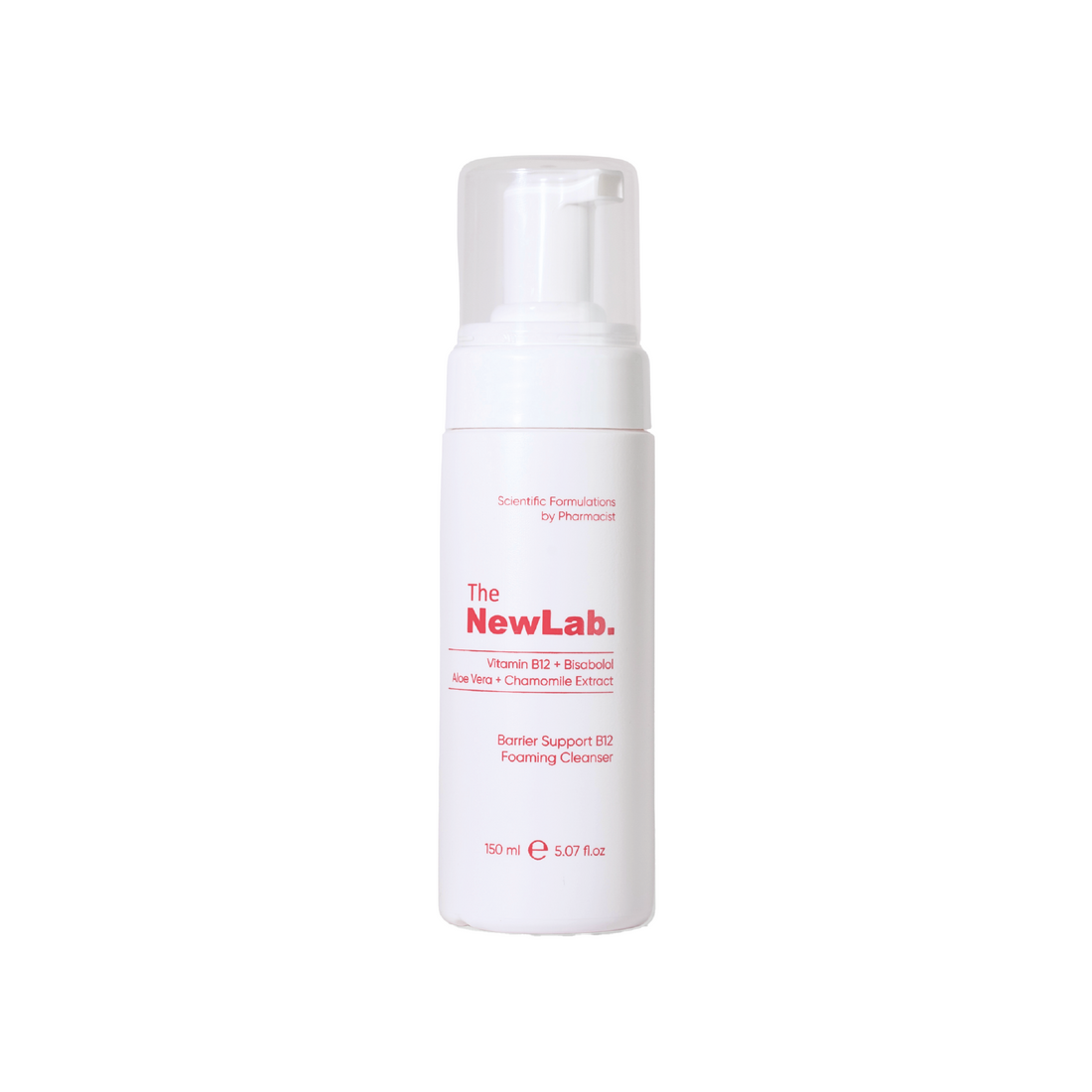
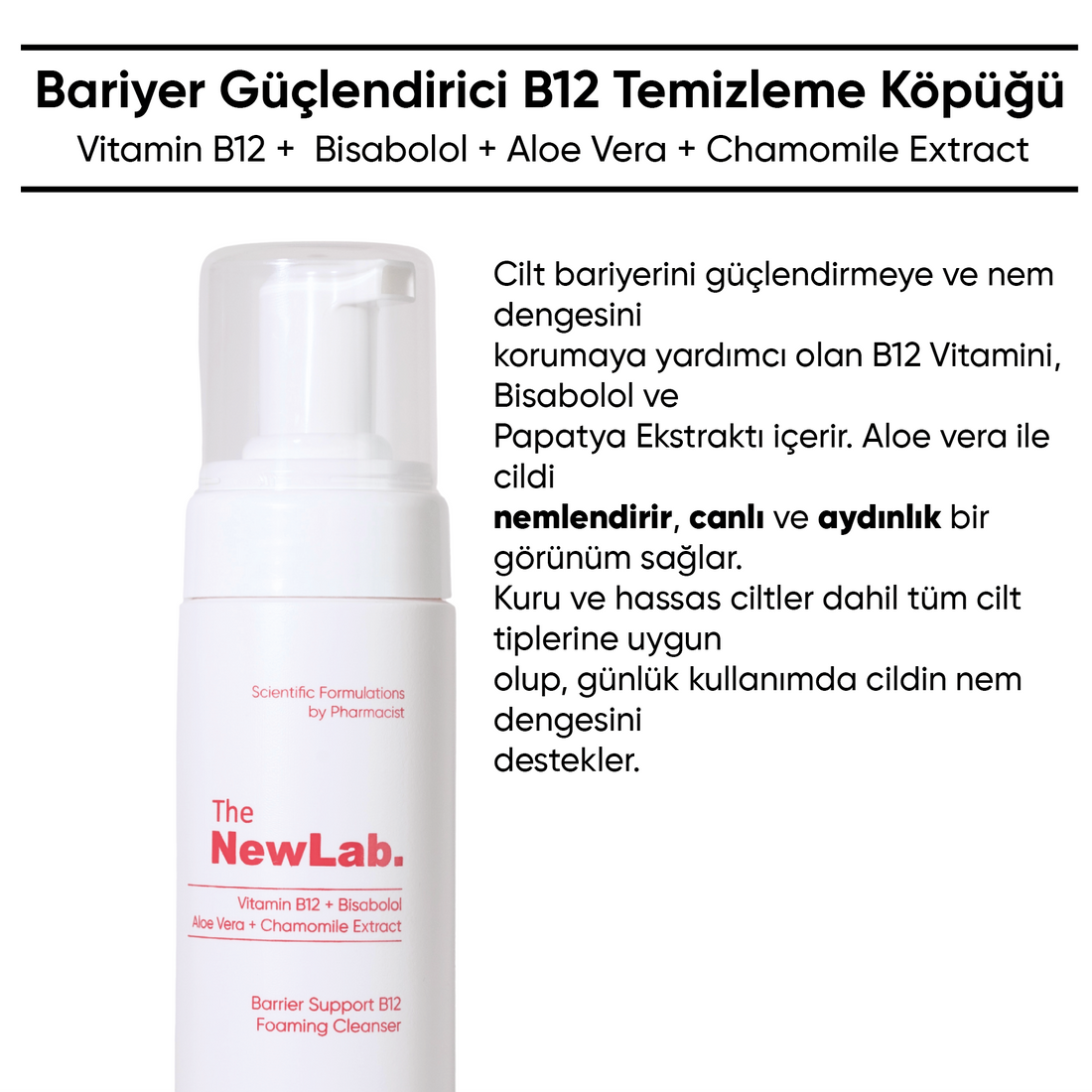 Barrier Strengthening B12 Cleansing FoamVendor:Barrier Strengthening B12 Cleansing FoamThe NewLab.
- Regular price
-
584.94TL - Regular price
-
899.90TL - Sale price
-
584.94TL
YENİQuick view
-
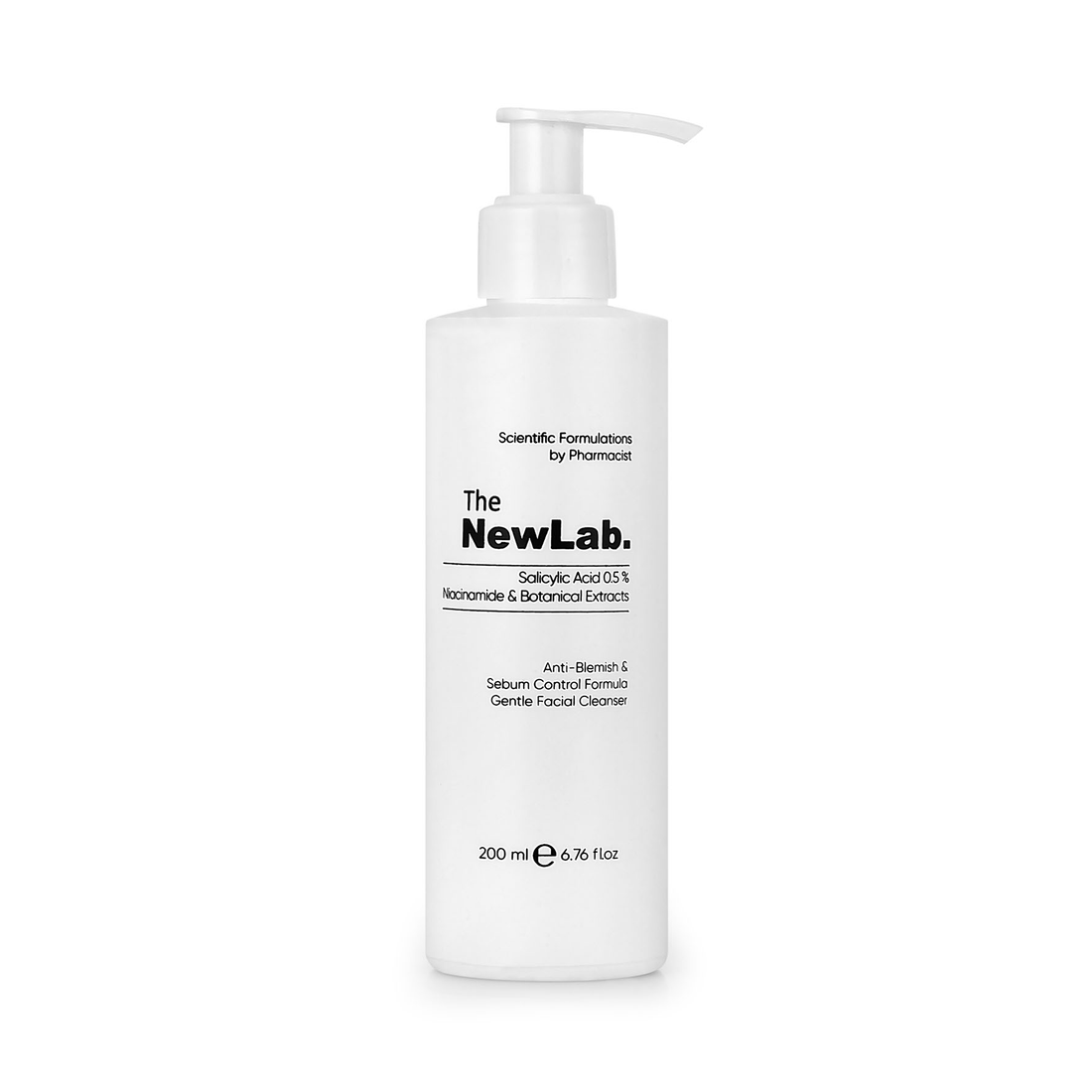
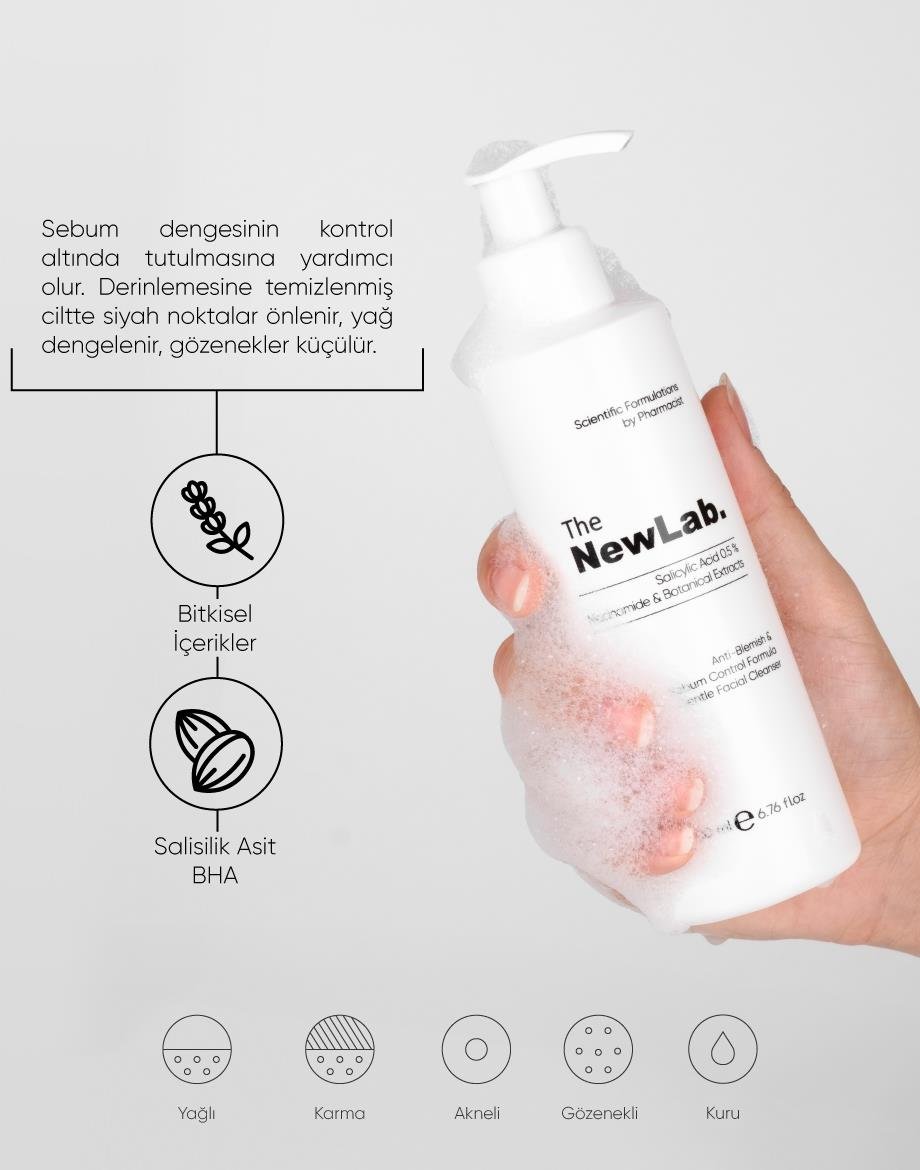 Anti-Acne & Sebum Control Face Cleanser 200 mlVendor:Anti-Acne & Sebum Control Face Cleanser 200 mlThe NewLab.
- Regular price
-
500.44TL - Regular price
-
769.90TL - Sale price
-
500.44TL
Quick view
-
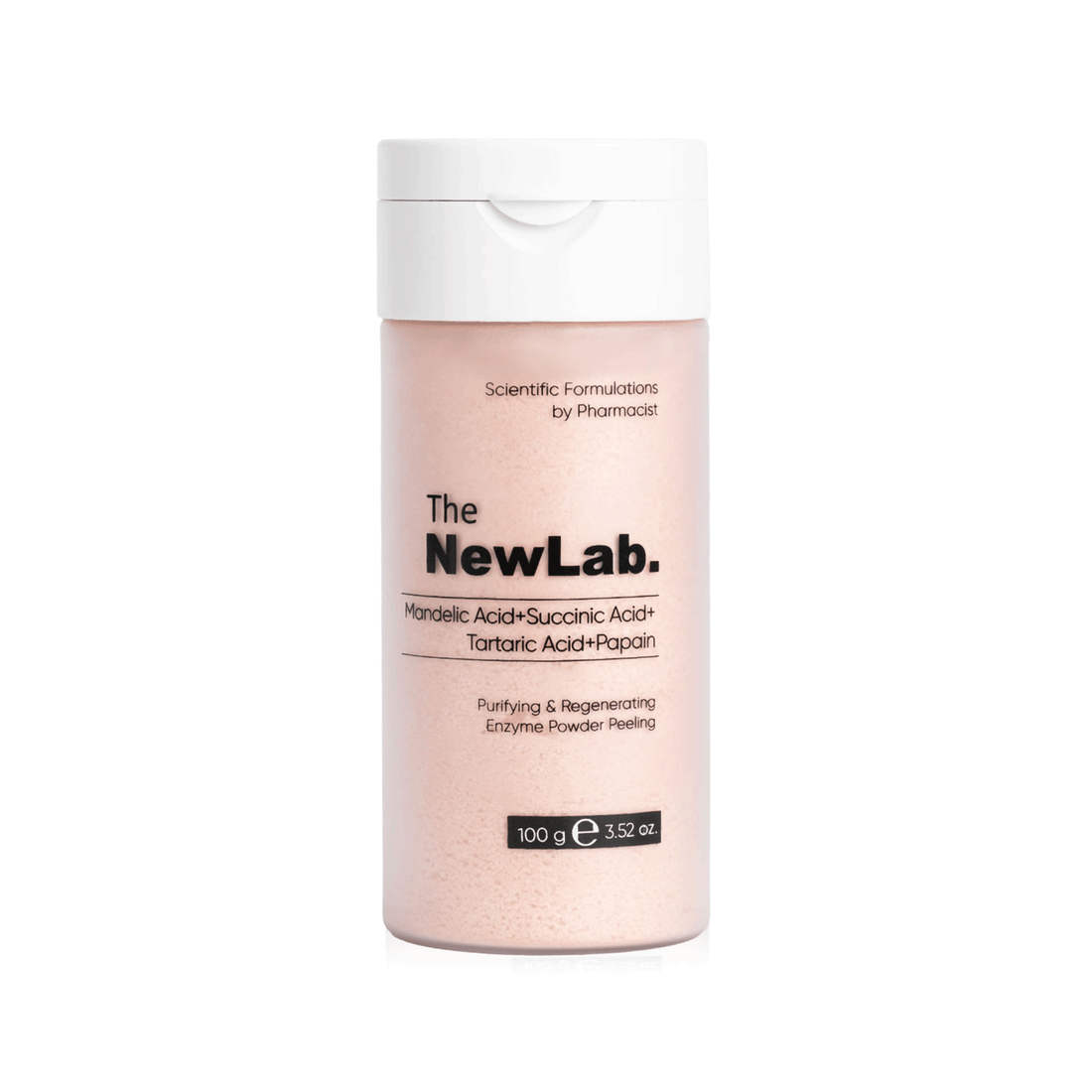
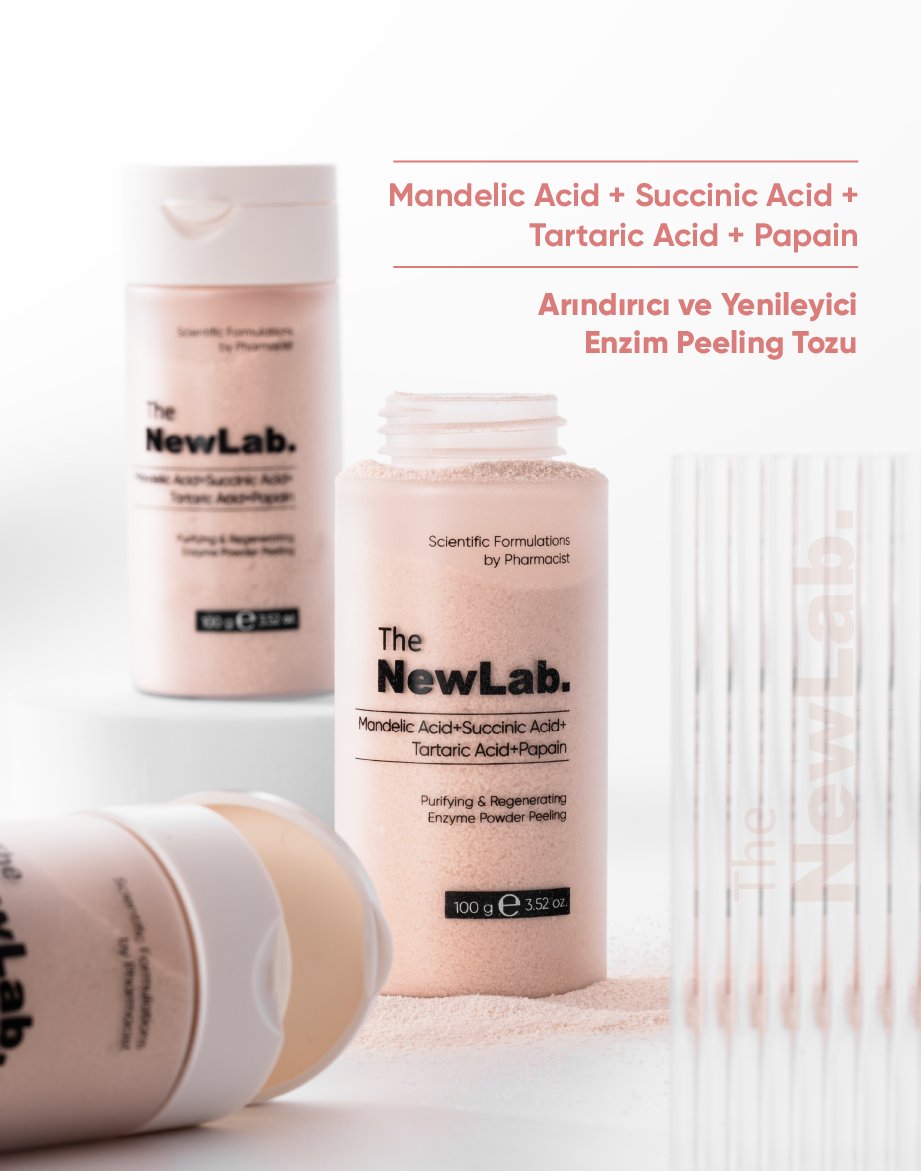 Purifying and Renewing Enzyme Powder Peeling 100g (Mandelic Acid + Succinic Acid + Tartaric Acid + Papain)Vendor:Purifying and Renewing Enzyme Powder Peeling 100g (Mandelic Acid + Succinic Acid + Tartaric Acid + Papain)The NewLab.
- Regular price
-
844.94TL - Regular price
-
1,299.90TL - Sale price
-
844.94TL
YENİQuick view
-
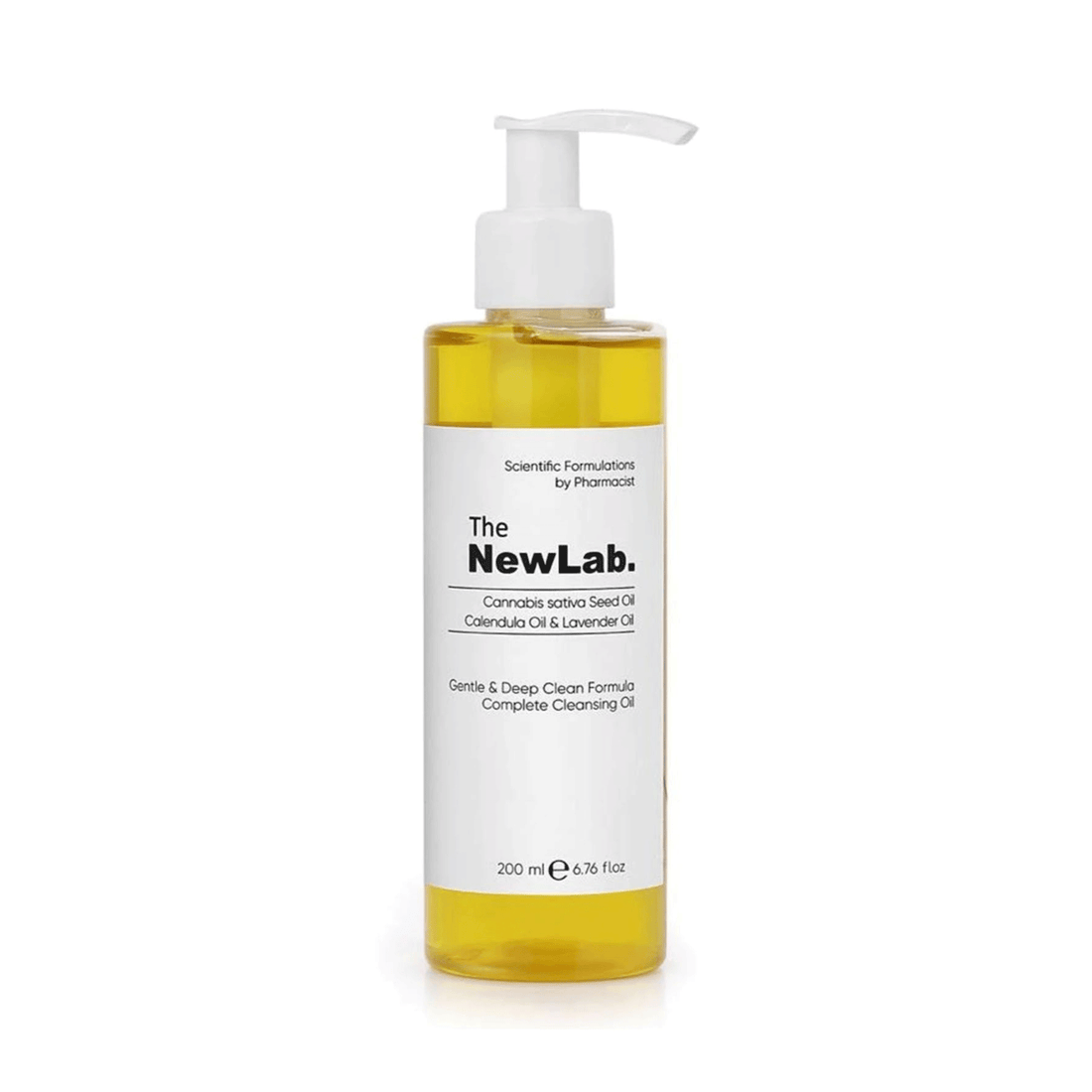
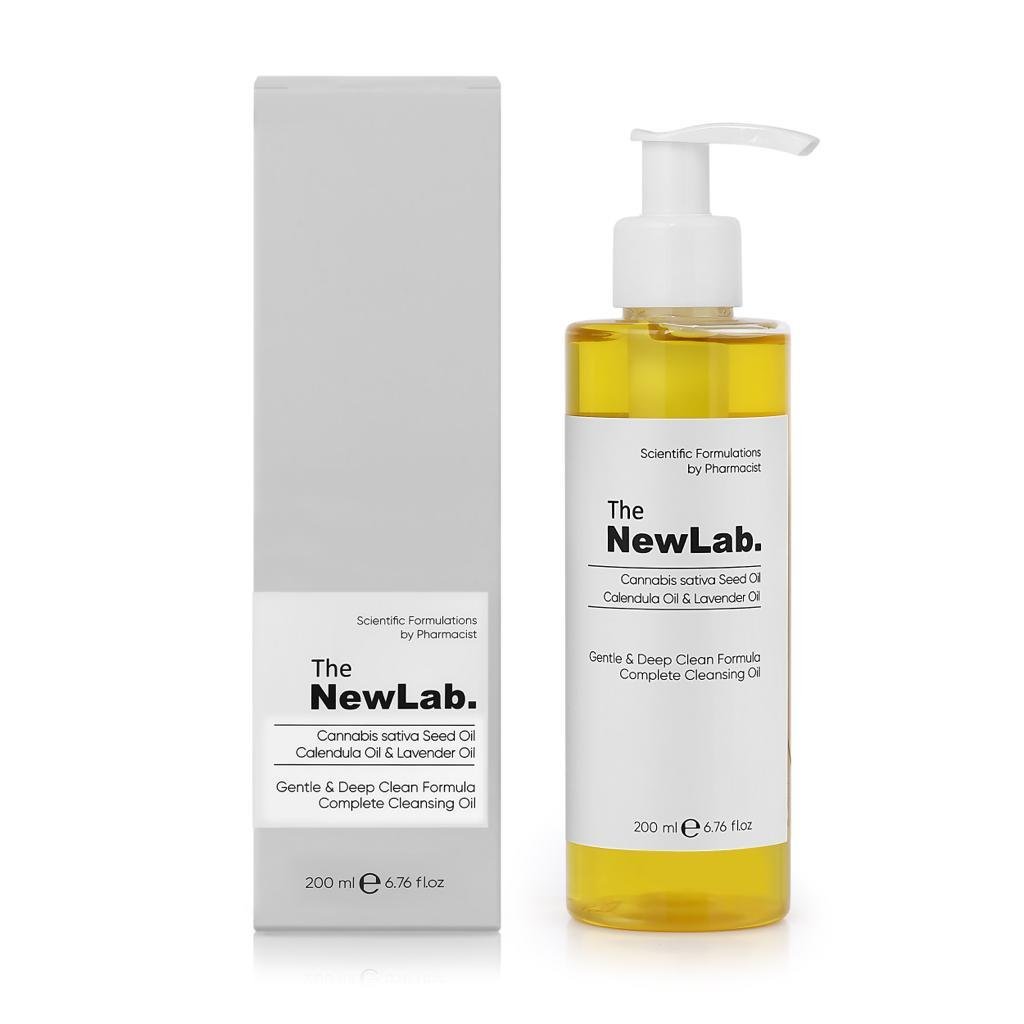 Oil-Based Facial Makeup Remover 200 mlVendor:Oil-Based Facial Makeup Remover 200 mlThe NewLab.
- Regular price
-
584.94TL - Regular price
-
899.90TL - Sale price
-
584.94TL
Quick view
-
 Anti-Acne & Sebum Control Purifying Toner 200 mlVendor:Anti-Acne & Sebum Control Purifying Toner 200 mlThe NewLab.
- Regular price
-
500.44TL - Regular price
-
769.90TL - Sale price
-
500.44TL
Quick view
-
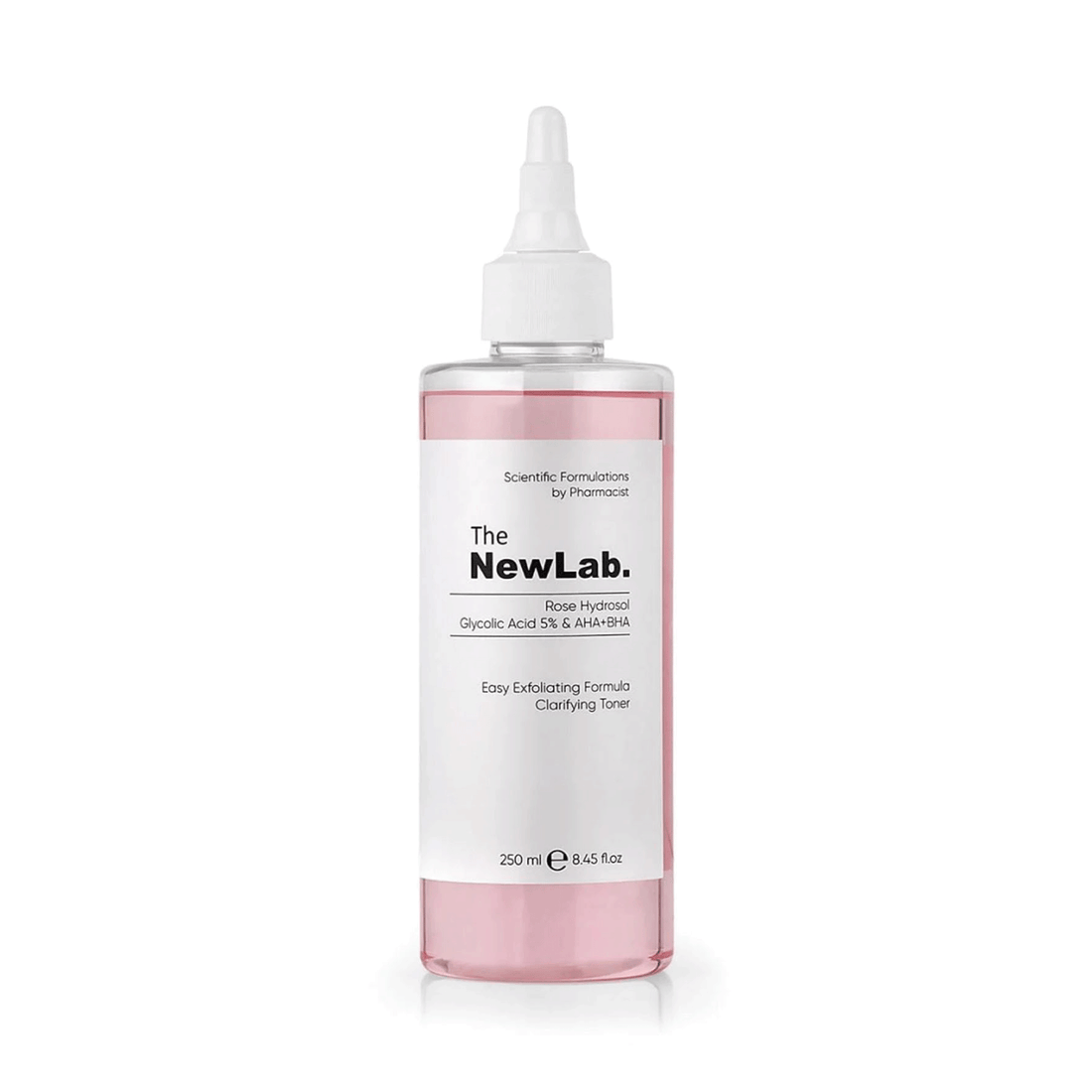
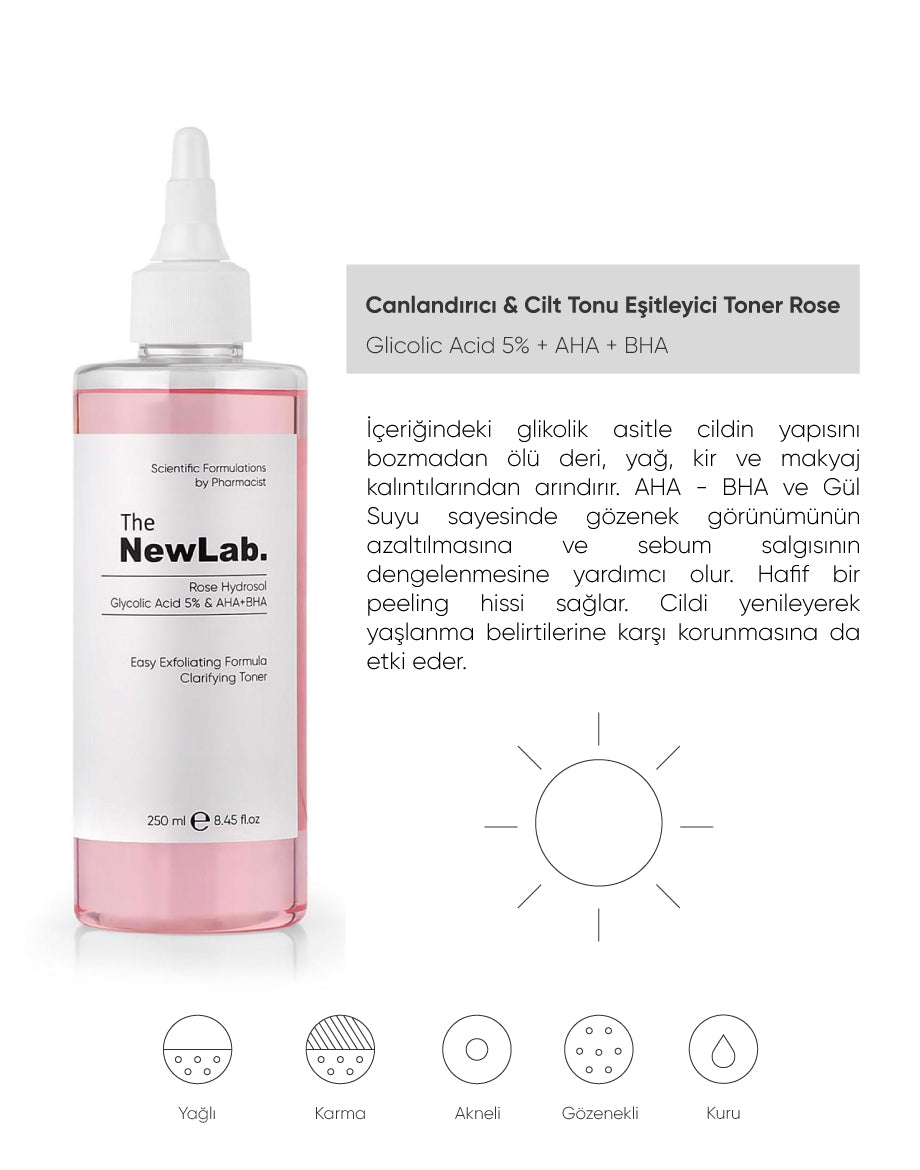 Refreshing & Skin Tone Equalizing Toner Rose Hydrosol Glycolic Acid 5% & AHA+BHA 250 mlVendor:Refreshing & Skin Tone Equalizing Toner Rose Hydrosol Glycolic Acid 5% & AHA+BHA 250 mlThe NewLab.
- Regular price
-
500.44TL - Regular price
-
769.90TL - Sale price
-
500.44TL
Quick view
-

 Refreshing & Skin Tone Equalizing Toner Rose Hydrosol Glycolic Acid 5% & AHA+BHA 250 mlVendor:Refreshing & Skin Tone Equalizing Toner Rose Hydrosol Glycolic Acid 5% & AHA+BHA 250 mlThe NewLab.
- Regular price
-
199.99TL - Regular price
-
199.99TL - Sale price
-
199.99TL
Quick view
-

 Anti-Acne & Sebum Control Purifying Toner 200 mlVendor:Anti-Acne & Sebum Control Purifying Toner 200 mlThe NewLab.
- Regular price
-
229.99TL - Regular price
-
229.99TL - Sale price
-
229.99TL
Quick view
-

 Oil-Based Facial Makeup Remover 200 mlVendor:Oil-Based Facial Makeup Remover 200 mlThe NewLab.
- Regular price
-
199.99TL - Regular price
-
199.99TL - Sale price
-
199.99TL
Quick view
-

 Anti-Acne & Sebum Control Face Cleanser 200 mlVendor:Anti-Acne & Sebum Control Face Cleanser 200 mlThe NewLab.
- Regular price
-
199.99TL - Regular price
-
199.99TL - Sale price
-
199.99TL
Quick view


A facial cleanser is the first and most fundamental step in a skincare routine. Dirt, dust, excess sebum, makeup residue, and environmental pollutants that accumulate on the skin throughout the day clog pores, trigger acne formation, and pave the way for dullness and premature aging if not cleansed properly. More importantly, serums, moisturizers, or sunscreen products applied to an uncleansed face cannot deliver the desired effects.
Facial cleansers have three primary tasks: removing dirt and sebum from the skin, protecting the natural oil barrier, and preparing the skin for subsequent care steps (serum, toner, cream). A cleanser that performs these three tasks in a balanced way is the cornerstone of skincare.
However, choosing the wrong cleanser does more harm than good. Formulas containing harsh sulfates strip the skin's barrier, leading to dryness and irritation, while overly gentle cleansers fail to remove sebum and makeup effectively, causing clogged pores. Therefore, your skin type and its specific needs are the determining factors when choosing a facial cleanser. The NewLab. skin cleansing products offer solutions for every stage of the cleansing process, from oil-based cleansers to barrier-strengthening foams, sebum-control gels, enzyme peels, and purifying toners.
Types of Facial Cleansers and Which Skin Type They Are Suitable For
Skin cleansing products are produced in different formulas, each addressing a different skin type and need. To choose the right cleanser, it is necessary to know the types of formulas and who they are suitable for.
Gel cleansers are water-based, transparent, and lightweight formulas. They purify the skin deeply, remove excess sebum, and clean pores. They are the most suitable choice for oily skin, combination skin, and acne-prone skin. Gel cleansers containing salicylic acid or niacinamide bring acne and pore care into the cleansing step for these skin types.
Foam cleansers have a light texture and are soft, leaving no weight on the skin. They provide gentle purification and do not dry out the skin. They are suitable for sensitive skin, normal skin, and daily use. Foam cleansers containing barrier-strengthening ingredients are among the safest options for sensitive skin.
Oil-based cleansers are formulas consisting of plant oils. They effectively dissolve makeup, sunscreen, and excess sebum. With a structure that turns into milk upon contact with water, they clean the skin without drying it out. They are ideal for dry skin, mature skin, and double cleansing. They are indispensable for those who wear heavy makeup or use water-resistant products.
Cream cleansers are rich and nourishing formulas. They moisturize while cleaning the skin. They are suitable for very dry and sensitive skin, as well as skin whose moisture needs increase during the winter months.
Milk cleansers are lightweight, creamy-textured products with a moisturizing effect. They gently purify the skin without rubbing and are preferred especially for sensitive skin.
Micellar water consists of water-based products that work on the principle of micelle molecules attracting dirt and makeup. They are preferred for practical makeup removal, but they may not be sufficient for end-of-day cleansing on their own; they must be followed by a cleanser that is rinsed off with water.
The NewLab. Skin Cleansing Products
Oil-Based Face Makeup Remover
Oil-Based Face Makeup Remover is a skincare product formulated with hemp seed oil, calendula, and lavender extract. It effectively dissolves makeup, sunscreen, and excess sebum without drying the skin. Its structure, which turns into milk upon contact with water, nourishes and moisturizes the skin during cleansing. It is ideal for heavy makeup, waterproof products, and heavy sebum accumulation. It is used as the first step of double cleansing and is one of the safest options for end-of-day cleansing for dry, mature, and sensitive skin.
Barrier Strengthening B12 Cleansing Foam
Barrier Strengthening B12 Cleansing Foam is a gentle facial cleanser containing Vitamin B12 and barrier-supporting ingredients. While cleansing the skin, it also repairs and strengthens the protective barrier. Thanks to its foam structure, the skin does not feel weighed down; it provides gentle yet effective purification. Its ideal formula for sensitive skin, damaged skin barriers, and daily use works smoothly on all skin types. It can be preferred as the second step of double cleansing or for morning cleansing.
Anti-Acne & Sebum Control Facial Cleanser
Anti-Acne & Sebum Control Facial Cleanser is a gel-formulated skincare product containing salicylic acid and niacinamide. Salicylic acid penetrates deep into the pores to dissolve clogs, while niacinamide balances sebum production and reduces the appearance of pores. It is suitable for daily use for oily and combination skin types seeking anti-acne care.
Anti-Acne & Sebum Control Purifying Toner
Anti-Acne & Sebum Control Purifying Toner is a toner formulated for oily and acne-prone skin with salicylic acid, niacinamide, and Zinc PCA. After cleansing, it restores the skin's pH balance, purifies pores, balances sebum production, and helps prevent acne formation. It is suitable for daily use. Toner is a natural continuation of cleansing and increases the absorption of serums and creams in subsequent steps.
Refreshing & Skin Tone Equalizing Toner
Refreshing & Skin Tone Equalizing Toner provides gentle exfoliation and tone equalization with rose hydrosol, glycolic acid (5%), and an AHA+BHA combination. While glycolic acid renews the skin surface and eliminates dull appearance, rose hydrosol soothes the skin. It can be used 2-3 times a week in the evening routine; because it contains AHA, sunscreen must be applied in the morning. It is an ideal post-cleansing care step for those experiencing skin tone inequality and dullness.
Purifying and Renewing Enzyme Powder Peel
Purifying and Renewing Enzyme Powder Peel is an exfoliator in powder form containing mandelic acid, succinic acid, tartaric acid, and papain enzyme. It can be considered the weekly deep cleansing stage of facial care. The powder formula is activated by mixing with water, allowing the active ingredients to reach full potency at the moment of use. Mandelic acid is the gentlest member of the AHA family and can be used safely even on sensitive skin. Papain enzyme provides an enzymatic, rather than chemical, renewal. Apply 1-2 times a week after facial cleansing in the evening routine; always follow with a moisturizer.
What is Double Cleansing? How is it Done?
Double cleansing is a cleansing method that became popular from the Korean skincare routine and is now recommended by dermatologists. As the name implies, the skin is washed consecutively with two cleansers of different formulas. This method is especially recommended for end-of-day cleansing because a single cleanser cannot effectively dissolve both oil-based and water-based impurities at the same time.
First step: Oil-based cleanser. Apply the Oil-Based Cleanser to dry skin and massage in circular motions for approximately 1 minute. The oil-based formula dissolves oil-soluble impurities such as makeup, sunscreen, and excess sebum. This step ensures the removal of residues that do not dissolve with water.
Second step: Water-based cleanser. Follow with the B12 Cleansing Foam or Sebum Control Facial Cleanser, depending on your skin type. The water-based cleanser removes sweat, dust, water-soluble impurities, and remaining oil residue from the first step.
Double cleansing makes a noticeable difference, especially for those who wear makeup, use sunscreen (which is everyone), are exposed to air pollution, and have oily skin. Single-stage cleansing is sufficient for the morning routine; double cleansing should be applied in the evening.
Morning and Evening Cleansing Routine
The skin's morning and evening cleansing needs are not the same. Morning cleansing should be kept light because the skin produces its own oils and performs barrier repair throughout the night; a harsh morning cleanse disrupts this natural process. Evening cleansing should be more comprehensive to remove all dirt, excess sebum, makeup, and sunscreen accumulated throughout the day.
Morning Routine
1. Cleansing → Depending on your skin type, use B12 Cleansing Foam or Sebum Control Facial Cleanser. For dry and sensitive skin, washing with lukewarm water alone may also be sufficient.
2. Toner → Sebum Control Purifying Toner (for oily/combination skin).
3. Serum, moisturizer, and sunscreen → Subsequent care steps.
Evening Routine
1. First-step cleansing → Dissolve makeup and sunscreen residues with the Oil-Based Cleanser.
2. Second-step cleansing → Gently wash the skin with a foam or gel cleanser suitable for your skin type.
3. Toner → Gentle exfoliation with Refreshing & Skin Tone Equalizing Toner (2-3 evenings per week).
4. Serum, eye care, moisturizer → Subsequent care steps.
Weekly Extra Care
Deep cleansing 1-2 times a week with Enzyme Powder Peel. Apply the peel after cleansing in the evening routine and follow with a moisturizer. Do not use other exfoliating products containing AHA or retinol on nights when you apply the peel.
How Should Eye Makeup be Removed?
The eye area is the thinnest and most sensitive part of the skin. Removing eye makeup with standard facial cleansers leaves behind stubborn makeup residue and accelerates irritation and signs of aging in the eye area. The correct method is: take a small amount of oil-based cleanser on your fingertips and gently massage it over closed eyes for a few seconds. After heavy makeup such as mascara and eyeliner is dissolved by the oil, rinse with lukewarm water. Never rub the eye area; friction accelerates the formation of wrinkles. For residues left on the lash lines, use a damp cotton pad to wipe lightly.
Things to Consider When Choosing a Facial Cleanser
pH balance: The skin's natural pH is between 4.5 and 5.5. Cleansers with a very high (alkaline) pH disrupt the skin's protective barrier. Standard soaps have a pH of around 9-10 and should therefore not be used for facial cleansing. Prefer cleansers specially formulated for the face with skin-friendly pH.
Sulfate content: Harsh sulfates like SLS (Sodium Lauryl Sulfate) and SLES (Sodium Laureth Sulfate) create strong foam but strip the skin of its natural oils. Avoid them if you have sensitive, dry, or damaged skin barriers. Sulfate-free formulas containing mild surfactants provide a gentler clean.Fragrance and alcohol: Synthetic fragrances and drying types of alcohol (Alcohol Denat, SD Alcohol) can cause irritation and barrier damage, especially in sensitive skin. Products labeled "fragrance-free" and "alcohol-free" are safer.
Active ingredients: Nowadays, cleansers are enriched with active ingredients. Actives like salicylic acid (acne and pores), niacinamide (sebum balance and barrier), Vitamin B12 (barrier repair), and glycolic acid (exfoliation) turn cleansing into a care step. However, because actives in cleansers remain on the skin for only a short time, they must be supported by appropriate serums for significant results.
Formula consistency: Choose a consistency suitable for your skin type. Gel for oily skin, cream or oil-based for dry skin, and gentle foam for sensitive skin.
Product lifespan: Opened facial cleansers should generally be consumed within 6-12 months. Look at the PAO (Period After Opening) symbol on the packaging; for example, the "12M" mark means it should be used within 12 months after opening. Expired products lose their effectiveness and may become contaminated.
Cleansing Tools: Hands, Brush, or Silicone Pad?
The tools used for facial cleansing also affect the result. Cleansing with fingertips is the gentlest method and is sufficient for most skin types. Silicone face cleansing pads provide deep pore cleansing and are hygienic; they are safer than plastic-bristled brushes. However, even a silicone pad can cause over-cleansing if used daily; prefer it 2-3 times a week. Electric cleansing brushes can irritate sensitive skin and should be used with caution. The best approach is to start by cleansing with your hands and use tools only when necessary.
Common Mistakes When Washing the Face
Washing with hot water: Hot water weakens the skin's barrier and leads to dryness. Lukewarm water is always the better choice.
Rubbing the face with a rough towel: After cleansing, pat the face dry instead of rubbing it with a towel. Towel friction can cause irritation and barrier damage. Additionally, changing face towels once a week prevents bacterial accumulation.
Washing three or more times a day: Over-cleansing disrupts the skin's natural oil production and can paradoxically lead to increased sebum production. Washing morning and evening is sufficient.
Sleeping with makeup on: Sleeping with makeup on clogs pores, triggers acne formation, and hinders the skin's nighttime repair process. Never skip evening cleansing under any circumstances.
Using a cleanser for the wrong skin type: Using an oily skin cleanser on dry skin or vice versa disrupts the skin's balance. Skin type can change depending on seasons, hormonal changes, and age; it is important to review your routine regularly.
Not massaging the cleanser into the skin long enough: Cleansers should be applied by massaging them into the skin for at least 30-60 seconds. Known as the "60-second rule," this approach allows the product, especially in cleansers with active ingredients, to reach its full effectiveness.
Frequently Asked Questions
How many times a day should a facial cleanser be used?
A facial cleanser should generally be used twice a day, in the morning and evening. For dry and sensitive skin, washing with lukewarm water only in the morning may be sufficient. Washing too much weakens the skin's natural barrier, leading to dryness and irritation.
Is double cleansing suitable for everyone?
Double cleansing is highly recommended for everyone who wears makeup, uses sunscreen, and is exposed to air pollution. It begins with an oil-based cleanser and is completed with a water-based cleanser. It is applied during the evening routine; single-stage cleansing is sufficient in the mornings.
Can an oil-based cleanser be used on oily skin?
Yes, it can. Oil-based cleansers work on the principle that "like dissolves like" and effectively dissolve excess sebum on the skin. It is preferred as the first step of double cleansing, especially for oily skin types that wear heavy sunscreen or makeup. A water-based cleanser must be used afterward.
How long should you wait while using a cleanser?
Facial cleanser should be applied by massaging it into the skin for at least 30-60 seconds. Known as the "60-second rule," this approach allows active ingredients like salicylic acid and niacinamide to penetrate the skin and reach full effectiveness. A quick wash reduces the impact of these actives.
Does soap serve as a substitute for facial cleanser?
No. Standard soaps have a much higher pH (9-10) than the skin's natural pH (4.5-5.5) and disrupt the skin's protective barrier. Facial cleansers are formulated to match the skin's pH, providing cleansing without damaging the barrier. It is essential to use cleansers specifically formulated for the face.
Is a cleanser with active ingredients sufficient, or is a separate serum necessary?
Cleansers with active ingredients have limited effects because they are in contact with the skin for a short time. They contribute to basic care, but for visible results, they must be supported by appropriate serums. A cleanser is a supplementary step, while a serum provides targeted care.
Is a separate cleanser mandatory for eye makeup?
For heavy or waterproof eye makeup, an oil-based cleanser is much more effective. Standard facial cleansers can irritate the eye area and may not fully remove mascara residue. Micellar water may be sufficient for light eye makeup. The eye area should not be rubbed; an oil cleanser should be left on for a few seconds and then rinsed off with warm water.
How long can an opened facial cleanser be used?
Opened facial cleansers should generally be consumed within 6-12 months. The PAO symbol on the packaging (e.g., "12M") indicates how many months the product can be used after opening. Expired cleansers lose their effectiveness and can cause skin irritation.
Should toner be applied after the cleanser or before the serum?
Toner is applied immediately after the cleanser and before the serum. It restores the skin's pH balance after cleansing and increases the absorption of active ingredients in subsequent steps. Applying serums and moisturizers while the skin is slightly damp after toner application is the ideal approach.
Can peeling and cleanser be used on the same day?
Yes. Enzyme or AHA/BHA-based peelings are applied after facial cleansing. After peeling, it must be rinsed thoroughly with plenty of water, and the skincare routine should continue. On nights when peeling is applied, other exfoliating products (such as AHA toner or retinol) should not be used. The next day, high SPF sunscreen is essential.
The NewLab. Facial Cleansers and Skin Cleansing Products
Skin cleansing is the indispensable first step of skincare, and choosing the right product determines the effectiveness of all subsequent care stages. The NewLab.'s facial cleansers and skin cleansing products offer a comprehensive cleansing solution with formulas tailored to every skin type and need, from oil-based makeup removers to barrier-strengthening foams, sebum control gels to enzyme peels, and purifying toners to tone-evening toners. You can explore our collection above to discover the cleansing products suitable for your skin.