
2 products
-
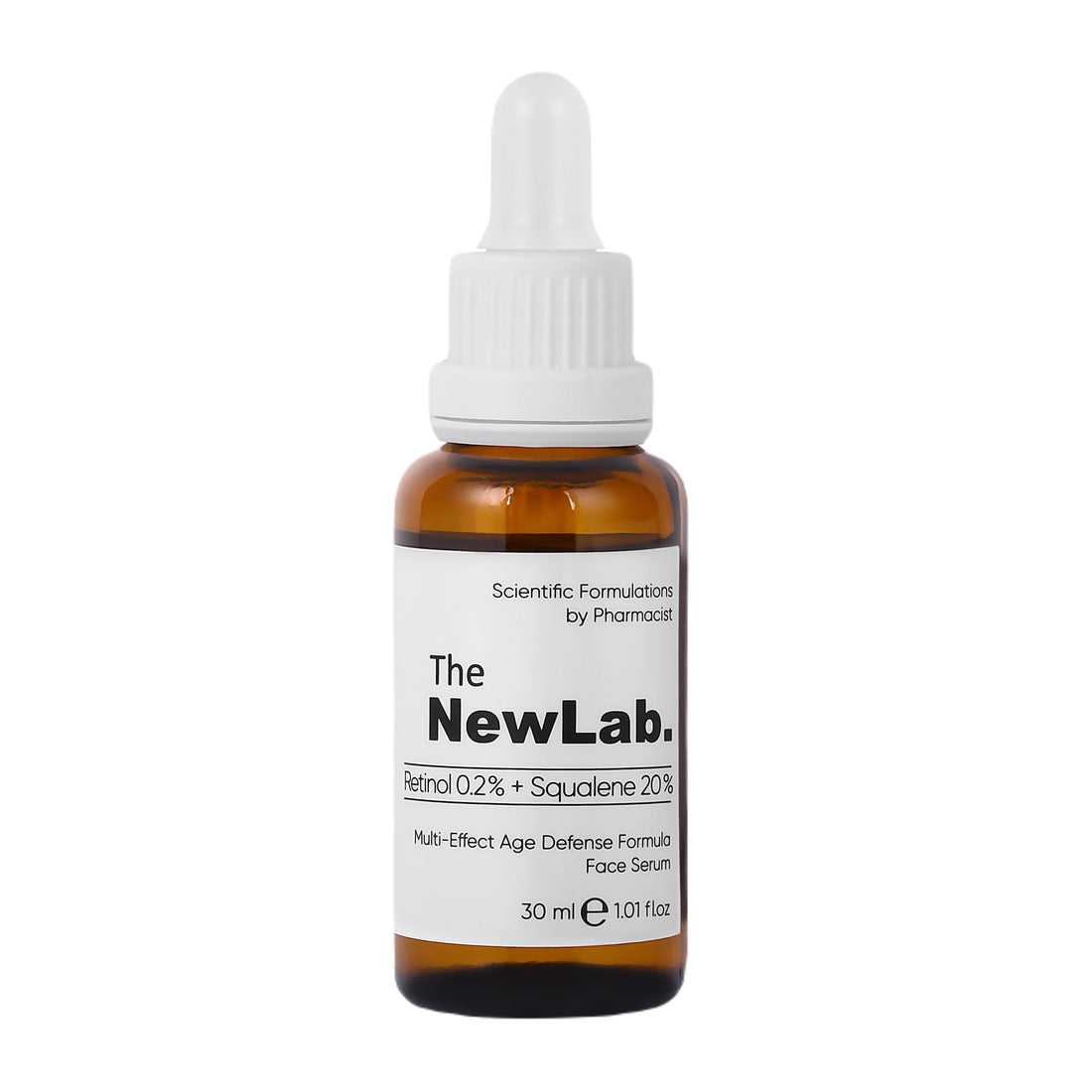
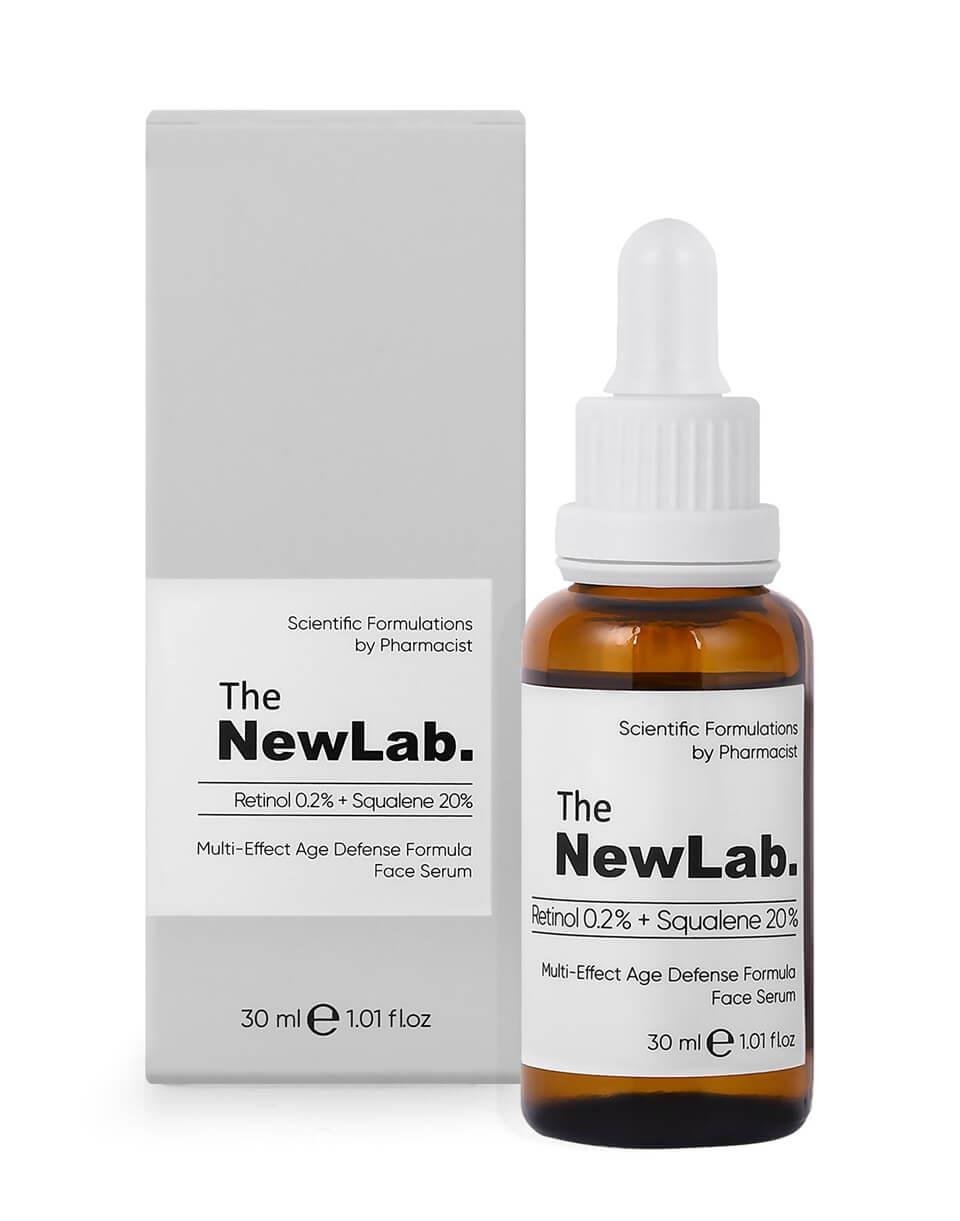 Anti-Aging Face Serum Retinol 0.2% + Squalane 20% 30 mlVendor:Anti-Aging Face Serum Retinol 0.2% + Squalane 20% 30 mlThe NewLab.
- Regular price
-
454.94TL - Regular price
-
699.90TL - Sale price
-
454.94TL
Quick view
-
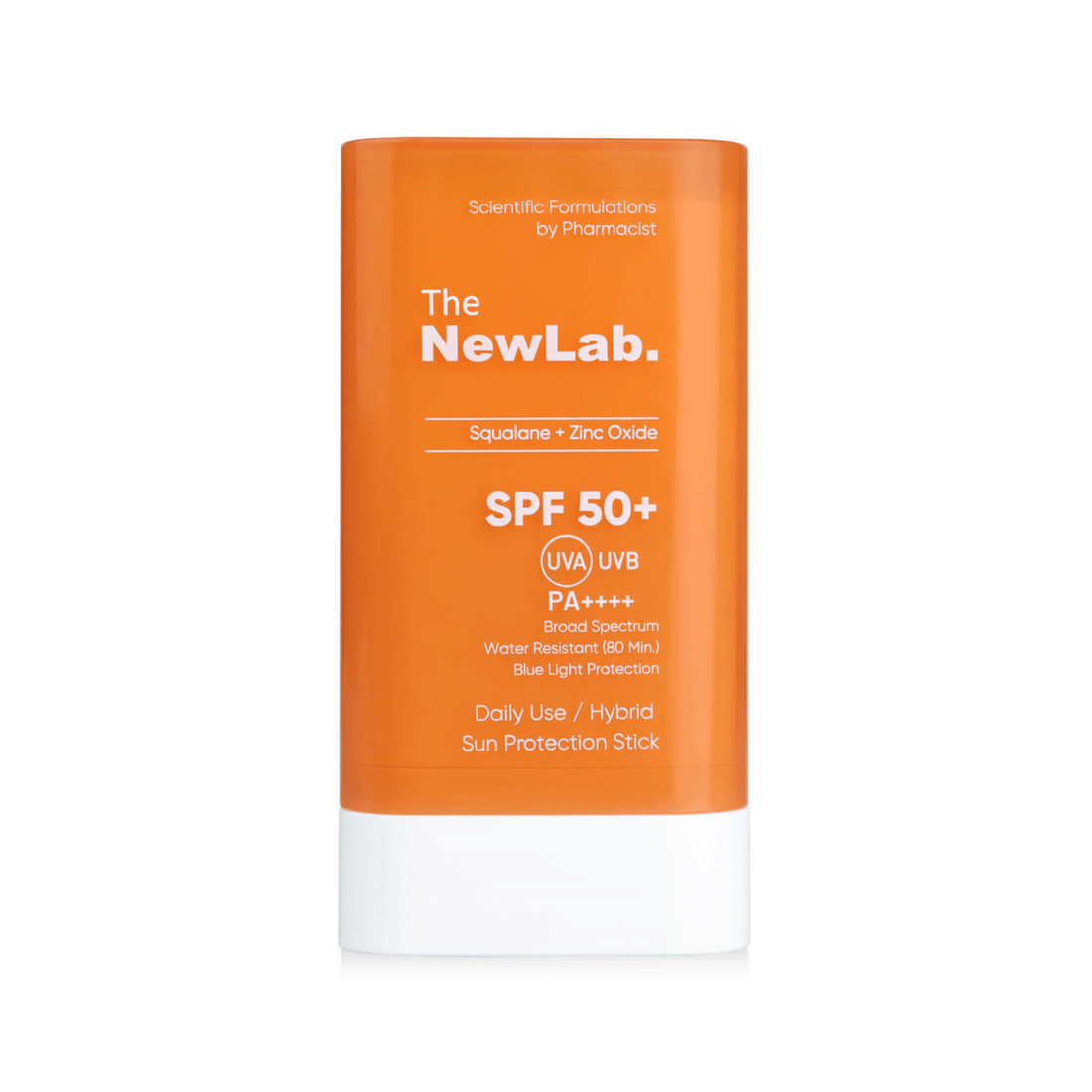
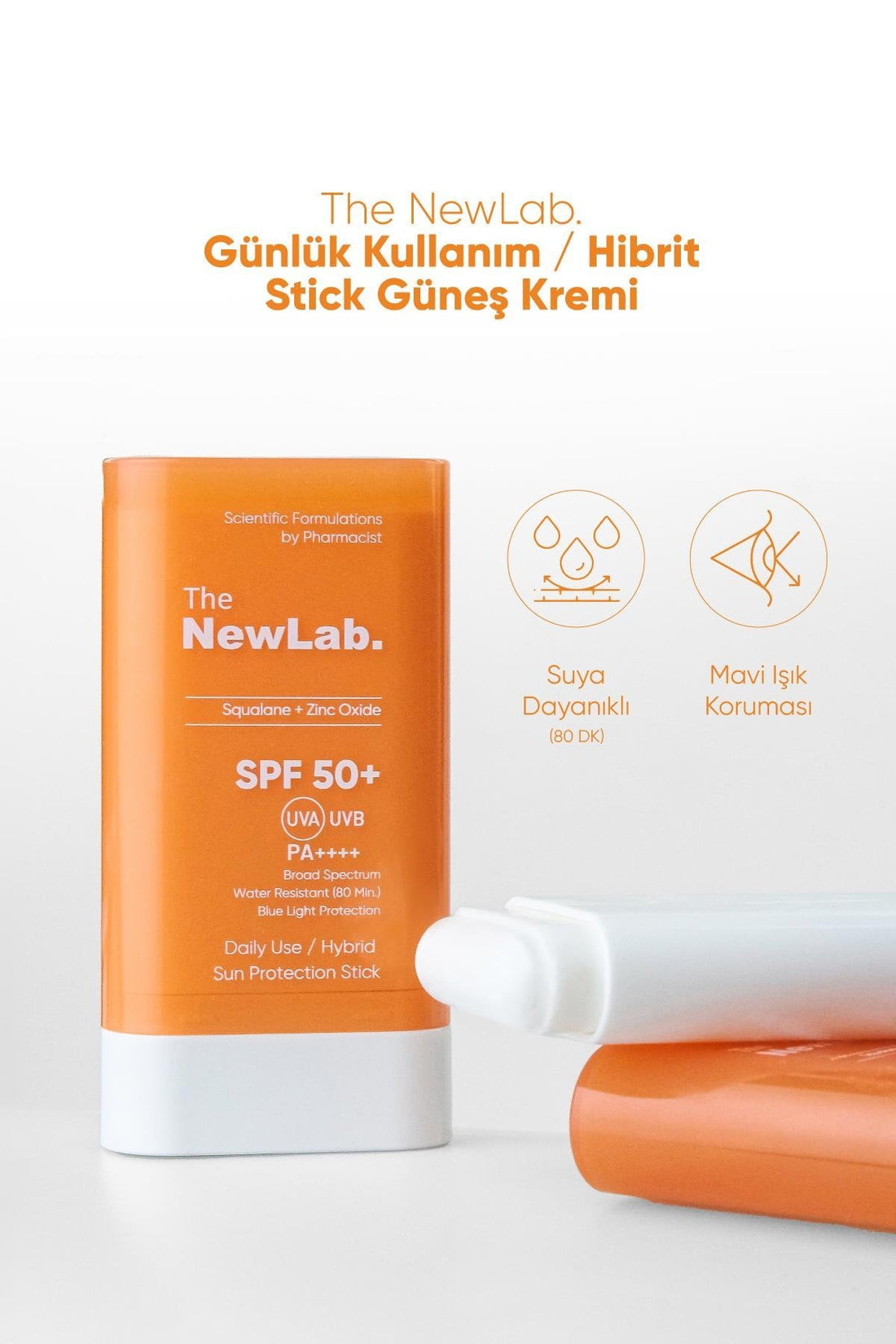 Stick Sunscreen SPF 50 (UVA-UVB PA++++) Water Resistant (80 min.) Blue Light ProtectionVendor:Stick Sunscreen SPF 50 (UVA-UVB PA++++) Water Resistant (80 min.) Blue Light ProtectionThe NewLab.
- Regular price
-
630.44TL - Regular price
-
969.90TL - Sale price
-
630.44TL
Quick view
What is Squalene and Why is it Used in Skincare?
Squalene is a natural lipid that your skin already produces, accounting for approximately 12% of your sebum. As the human body’s own moisturizing system, this biomimetic (skin-mimicking) molecule hydrates the skin from the outside, strengthens the barrier function, and provides antioxidant protection. Since it is a molecule that your skin "recognizes," the risk of allergic reaction or irritation is extremely low—a feature that makes squalene safe and effective for all skin types, including sensitive skin.
However, the body's natural squalene production begins to decrease from the mid-20s and shows a significant drop in the 30s. This loss sets the stage for a weakening of the skin's moisture retention capacity, impairment of the barrier function, and the emergence of premature aging signs. Squalene in skincare products is used precisely to fill this gap—it supplements the natural moisture and protection the skin has lost from the outside.
These two terms are often confused, but there is a significant chemical difference between them:
Squalene (with an "e"): The original form produced naturally by the skin. It has an unsaturated structure, meaning it is more prone to oxidation (degradation). It exhibits a strong antioxidant effect within the body.
Squalane (with an "a"): The hydrogenated (stabilized) form of Squalene. It has a saturated structure, which is why it is resistant to oxidation and has a longer shelf life. This stable form is generally preferred in skincare products.
Both forms moisturize and protect the skin. The NewLab formulations use Squalene—the original form, which is structurally closest to the skin's natural sebum, is stabilized against oxidation in oil-based serum formulations with Vitamin E.
The NewLab Skincare Products Containing Squalene
The NewLab offers the moisturizing and barrier-strengthening effects of squalene in various formulations to meet both anti-aging and daily protection needs.
Anti-Aging Face Serum — Retinol 0.2% + Squalene 20%
The NewLab's anti-aging serum intensely hydrates the skin and strengthens the skin barrier with 20% Squalene, while 0.2% Retinol accelerates cell renewal, reducing fine lines and wrinkles. In this formula, squalene acts as a buffer, balancing the potentially drying and irritating effects of retinol. The Jojoba Oil in its content nourishes the skin, while Vitamin E provides both antioxidant protection and enhances formula stability by preventing the oxidation of squalene.
Active Ingredients: Squalene 20%, Retinol 0.2%, Jojoba Oil, Vitamin E
Hybrid Stick Sunscreen — SPF 50 (UVA-UVB) Water Resistant
While offering high-level sun protection with an SPF 50 rating, the Squalene in the formula deeply hydrates the skin and balances the drying effect often associated with sunscreens. Zinc Oxide provides broad-spectrum protection as a physical UV filter, while Vitamin E creates an antioxidant shield. Thanks to its stick form, it offers hygienic and easy application, spreading smoothly on the skin without leaving a white cast. With its water-resistant formula for up to 80 minutes, it can be safely used during the summer months.
Active Ingredients: Squalene, Zinc Oxide, Vitamin E
Anti-Aging, Brightening, and Sun Protection Care Set
Offering the Retinol + Squalene Serum and SPF 50+ Sunscreen together, this set combines nighttime anti-aging care with daytime sun protection in a single package. By benefiting from the moisturizing effect of squalene and the regenerative effect of retinol with the evening serum, you provide high protection against the photosensitivity caused by retinol with the sunscreen in the morning.
First application: Squalene is absorbed instantly, leaving a soft, silky feel on the skin. The feeling of tightness due to dryness decreases immediately.
1-2 weeks: The skin's moisture balance stabilizes, and the dull, lifeless appearance is replaced by a bright and healthy glow.
4-8 weeks: The skin barrier strengthens, and transepidermal water loss (TEWL) decreases. The appearance of fine lines due to dryness fades. In the Retinol + Squalene formula, the anti-aging effects of retinol also begin to become apparent.
How Does Squalene Work? Scientific Mechanism
The mechanism of action of squalene on the skin stems from its "biomimetic" (skin-mimicking) nature:
1. Biomimetic Absorption: Because squalene is very similar in structure to the skin's natural sebum, it is not perceived as "foreign" by the skin. Consequently, it is rapidly absorbed and integrated into the skin's lipid layer—it does not remain on the surface like artificial moisturizing films, but becomes part of the skin's own structure.
2. Barrier Repair: It strengthens the skin barrier by integrating with the intercellular lipids in the stratum corneum (horny layer) of the epidermis. It reduces transepidermal water loss (TEWL)—which means it prevents the moisture inside the skin from escaping. When the barrier is strengthened, the skin becomes more resilient, hydrated, and healthier.
3. Antioxidant Protection: As a powerful antioxidant, squalene neutralizes UV-induced free radicals and lipid peroxidation. Research shows that squalene in the skin acts as an "antioxidant shield" by peroxidizing when exposed to UV rays—that is, squalene sacrifices itself through oxidation to protect other cellular structures.
4. Emollient Effect: It forms a thin, breathable film on the surface of the skin, trapping water and softening the skin. Unlike some other oils, this film does not clog pores (non-comedogenic) and does not give the skin a heavy feeling.
Benefits of Squalene-Containing Serum for the Skin
Deep and Long-Lasting Hydration: Squalene mimics the skin's own hydration system, providing deep rather than superficial moisture. It helps the skin stay hydrated throughout the day by locking in the moisture drawn in by hyaluronic acid. It provides instant relief for skin that feels dry, tight, and stretched.
Skin Barrier Strengthening: It maintains the integrity of the barrier by integrating into the lipid matrix in the stratum corneum. It reduces water loss, redness, and sensitivity caused by barrier damage. It is an ideal supporter to balance the barrier stress that active ingredients like Retinol and AHA/BHA can cause.
Antioxidant and UV Damage Repair: It slows down photoaging (aging due to sun exposure) by neutralizing free radicals. It supports the repair process of UV-induced DNA damage. It helps prevent the formation of sun spots and hyperpigmentation.
Anti-Aging and Collagen Support: It increases skin elasticity, reducing the appearance of fine lines and wrinkles. It provides a plumping and firming effect by maintaining the moisture around collagen fibers. It delays the signs of aging by supplementing the natural squalene loss after the age of 30.
Even Skin Tone: It brightens dull, lifeless skin appearance by supporting cell renewal. It contributes to a more homogeneous skin tone by reducing oxidative stress that triggers hyperpigmentation.
Soothing and Anti-Inflammatory Effect: It shows a soothing effect on irritated, reddened, or sensitive skin. It accelerates the recovery process of the skin after procedures (peeling, laser, retinol application).
Why is Squalene Suitable for Every Skin Type?
One of the greatest advantages of squalene is that it can be used seamlessly on all skin types:
Dry Skin: This is the skin type that benefits most from squalene. It shows a powerful effect in deep hydration, barrier repair, and reducing fine lines due to dryness. Squalene is known as the "savior" active for dry skin.
Oily and Acne-Prone Skin: Many people are skeptical at this point: "Should I apply oil to my oily skin?" However, squalene can be safely used even on oily skin due to its non-comedogenic (pore-non-clogging) structure. Its structure, similar to the skin's natural sebum, can help reduce excessive sebum production by sending a signal to the skin that "there is enough moisture."
Sensitive and Reactive Skin: Since squalene is a molecule that the skin already recognizes, the risk of allergic reaction or irritation is extremely low. It can be easily used on skin prone to rosacea, eczema, or redness due to its soothing properties.
Combination Skin: In combination skin that has both dry and oily areas, squalene helps both areas by balancing, providing hydration in dry areas and assisting in sebum regulation in oily areas.
Mature Skin: By supplementing the natural squalene production that decreases with age, it slows down the loss of elasticity and reduces the appearance of fine lines.
Squalene + Retinol: Why are They Formulated Together?
Retinol is one of the most powerful anti-aging actives in skincare—but it can cause side effects such as dryness, peeling, and sensitivity during the adjustment process. Here is the scientific reason why squalene is present in retinol formulations:
Buffering Effect: Squalene creates a "slow-release" effect by slowing down the rate at which retinol comes into contact with the skin. This reduces the irritation potential of retinol without losing its effectiveness. While retinol shows an intense effect when in direct contact with the skin, a milder effect profile occurs when it comes into contact via a squalene "cushion."
Moisture Balance: Retinol can temporarily weaken the skin's barrier function and increase transepidermal water loss. Squalene maintains the skin's moisture balance by immediately compensating for this loss.
Increased Tolerability: Retinol tolerance increases significantly in formulations containing a high proportion of squalene such as 20%—this is a major advantage, especially for those new to retinol. The NewLab's Retinol 0.2% + Squalene 20% formula is designed precisely to achieve this balance.
Best Combinations: Which Actives Should Squalene be Used With?
Squalene + Retinol: The golden duo. Squalene balances the drying effect of retinol and increases tolerance. This combination is offered ready-made in The NewLab's serum (20% Squalene + 0.2% Retinol).
Squalene + Hyaluronic Acid: Excellent hydration strategy. While hyaluronic acid draws moisture from the lower layers of the skin, squalene locks this moisture on the surface. Apply hyaluronic acid serum first, followed by a serum/moisturizer containing squalene.
Squalene + Niacinamide: Barrier strengthening + sebum control. While niacinamide supports ceramide production, squalene completes the lipid matrix. Together, they strengthen the skin barrier both structurally and functionally.
Squalene + Vitamin C: Antioxidant powerhouse. While Vitamin C provides water-based antioxidant protection, squalene adds oil-based antioxidant effect. Vitamin C serum in the morning, followed by a moisturizer/sunscreen containing squalene, creates an ideal protective layer.
Squalene + AHA / BHA: Post-exfoliation repair. Squalene soothes skin that becomes sensitive after AHA/BHA peeling and restores the moisture balance. Applying a moisturizer containing squalene after peeling reduces the risk of irritation.
Squalene + Collagen: Anti-aging support. While collagen supports the skin's structure, squalene nourishes and protects this structure with moisture. With their synergistic effects, they offer comprehensive care against the signs of aging.
Squalene vs Hyaluronic Acid: Which is a Better Moisturizer?
These two popular moisturizing actives actually work with different mechanisms and provide the best results when used together:
Squalene (Emollient): It is an oil-based moisturizer. It locks in water by integrating into the skin's lipid layer, strengthens the barrier, and softens the skin. It prevents the evaporation of moisture (occlusive effect).
Hyaluronic Acid (Humectant): It is a water-based moisturizer. It has the capacity to hold water up to 1000 times its weight. It plumps and inflates the skin by drawing moisture from the environment (plumping effect).
Ideal use: First hyaluronic acid (draws moisture) → Then squalene (locks in moisture). This sequence ensures that the skin receives maximum hydration and does not lose this moisture. While dry skin needs both, oily skin may prefer a routine heavy on hyaluronic acid.
How to Use Squalene-Containing Serum?
1. Cleansing: Wash your face with a gentle cleanser. Purify the skin surface with The NewLab Cleansers.
2. Tonic / Water-Based Serums: If you use a tonic or water-based serum (such as hyaluronic acid, niacinamide), apply them before products containing squalene. Water-based products should always come before oil-based products.
3. Squalene-Containing Serum: Gently spread the Retinol 0.2% + Squalene 20% Serum onto your face and neck area by taking 4-5 drops. Thanks to its oil-based formula, it is absorbed quickly.
4. Moisturizer (optional): Dry skin can add a moisturizer. For normal and oily skin, the squalene serum may provide sufficient hydration on its own.
5. Sunscreen (morning): Apply SPF 30+ sunscreen as the final step in your morning routine. The NewLab's Hybrid Stick Sunscreen already contains squalene, providing both protection and hydration.
Frequency of use: The Retinol + Squalene formula is for evening use (retinol breaks down in sunlight). Squalene alone can be safely used 2 times a day, morning and evening.
In traditional production, squalene was obtained from shark liver—this method caused the death of millions of sharks per year. Today, modern skincare brands obtain squalene from plant sources such as olive oil, sugarcane, or amaranth for sustainable and animal-friendly production. The NewLab uses plant-derived squalene in its 100% vegan and cruelty-free formulations.
Things to Consider
Application order is important: Squalene is an oil-based active. It should be applied after water-based serums (hyaluronic acid, niacinamide, Vitamin C) and before moisturizer or sunscreen. Applying oil-based products over water-based products does not prevent absorption, but rather locks in moisture. However, if a water-based product is applied over an oil-based product, absorption becomes difficult.
Sunscreen is a must in retinol formulation: Since The NewLab's Retinol + Squalene serum contains retinol, it makes the skin photosensitive. Be sure to apply SPF 30+ sunscreen in the morning during the period you use this serum.
Quantity control: Squalene has a high spreading capacity—4-5 drops are enough to cover the entire face. Too much can leave a sticky feeling or lead to clogged pores.
Storage: The Squalene form is sensitive to oxidation. Store the product in a cool, dry place away from direct sunlight. Close the cap tightly. Consume within 6-12 months after opening.
Frequently Asked Questions
Does squalene cause acne on oily skin?
No. Squalene is non-comedogenic (doesn't clog pores) and can actually be used safely even on oily skin. Thanks to its structure that is very similar to the skin's natural sebum, it can help balance excessive sebum production by sending a signal to the skin that "there is enough moisture." However, avoid applying an excessive amount—3-4 drops are enough for oily skin.
Can squalene and hyaluronic acid be used together?
Absolutely yes—in fact, they provide the best results when used together. Hyaluronic acid fills the skin by drawing moisture from the environment, while squalene prevents evaporation by locking this moisture on the surface. Application order: first hyaluronic acid serum, then serum/moisturizer containing squalene.
Can squalene be used during pregnancy?
Yes, pure squalene can be safely used during pregnancy and breastfeeding—it is a component naturally produced by the skin and has no teratogenic risk. However, since there is retinol in The NewLab's Retinol + Squalene formula, this specific product should not be used during pregnancy. Products containing squalene without retinol should be preferred during pregnancy.
Which is better, squalene or squalane?
Both are effective moisturizers. Squalene (the unsaturated form) is closer to the skin's natural sebum and has strong antioxidant properties, but it is more prone to oxidation. Squalane (the saturated form) is more stable and has a longer shelf life. In terms of efficacy, both forms provide similar hydration and barrier strengthening. The difference lies in the formulation's stability strategy—The NewLab stabilizes squalene with Vitamin E, preserving the antioxidant benefits of the original form.
How many times a day can I use squalene?
Pure squalene can be used twice a day (morning and evening). However, since The NewLab's Retinol + Squalene serum contains retinol, it should only be used in the evening. The Sunscreen Stick can be used in the morning and reapplied throughout the day.
Can squalene be used around the eyes?
Yes. Squalene is safe for the thin and delicate skin around the eyes and is effective in relieving dryness in this area. However, use caution when applying the Retinol + Squalene formula around the eyes, as retinol can cause irritation in this area. Pure squalene can be used around the eyes without any issues.
When and at what age should I start using squalene?
There is no age limit for squalene; it can be used at any age. However, since the skin's natural squalene production begins to decline from the mid-20s, adding squalene-containing products to your routine starting at age 25 is a proactive approach. For dry or sensitive skin, starting at an earlier age can also be beneficial.
Can squalene be used under makeup?
Yes. The lightweight and fast-absorbing texture of squalene creates an excellent base under makeup. It does not leave a sticky or heavy feeling, helps foundation spread more smoothly, and maintains skin moisture throughout the day. By applying a small amount (2-3 drops), you can prevent your makeup from sliding.