
6 products
-
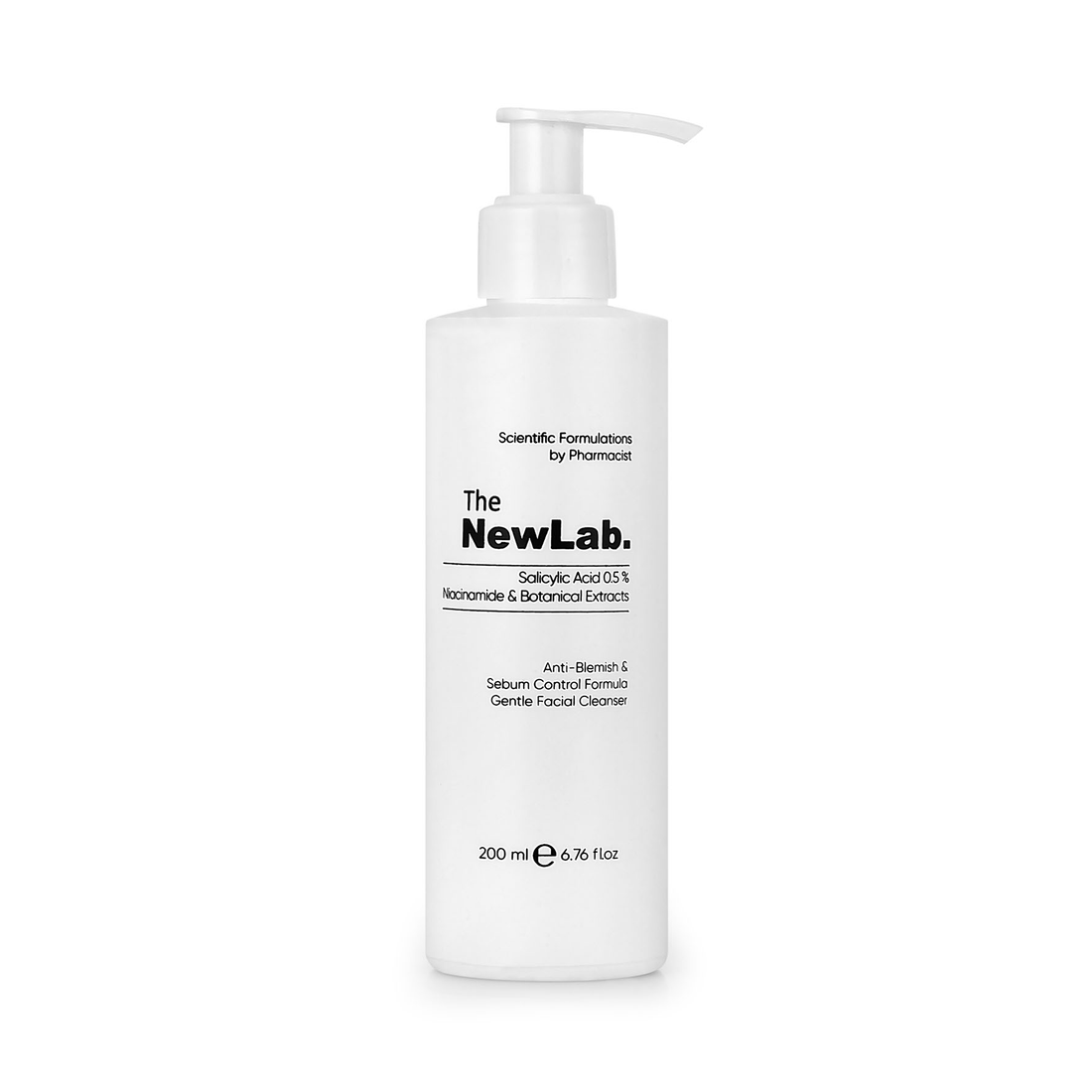
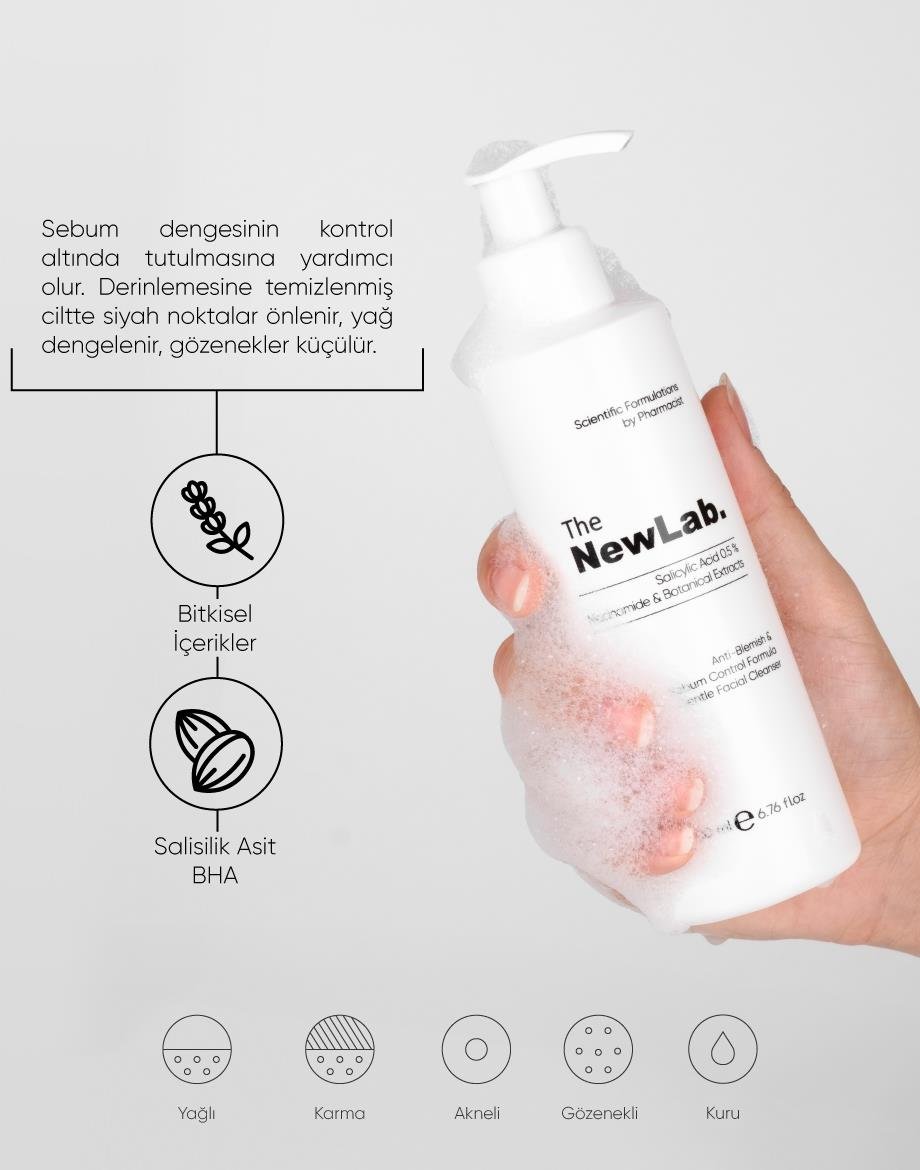 Anti-Acne & Sebum Control Face Cleanser 200 mlVendor:Anti-Acne & Sebum Control Face Cleanser 200 mlThe NewLab.
- Regular price
-
500.44TL - Regular price
-
769.90TL - Sale price
-
500.44TL
Quick view
-
 Anti-Acne & Sebum Control Purifying Toner 200 mlVendor:Anti-Acne & Sebum Control Purifying Toner 200 mlThe NewLab.
- Regular price
-
500.44TL - Regular price
-
769.90TL - Sale price
-
500.44TL
Quick view
-
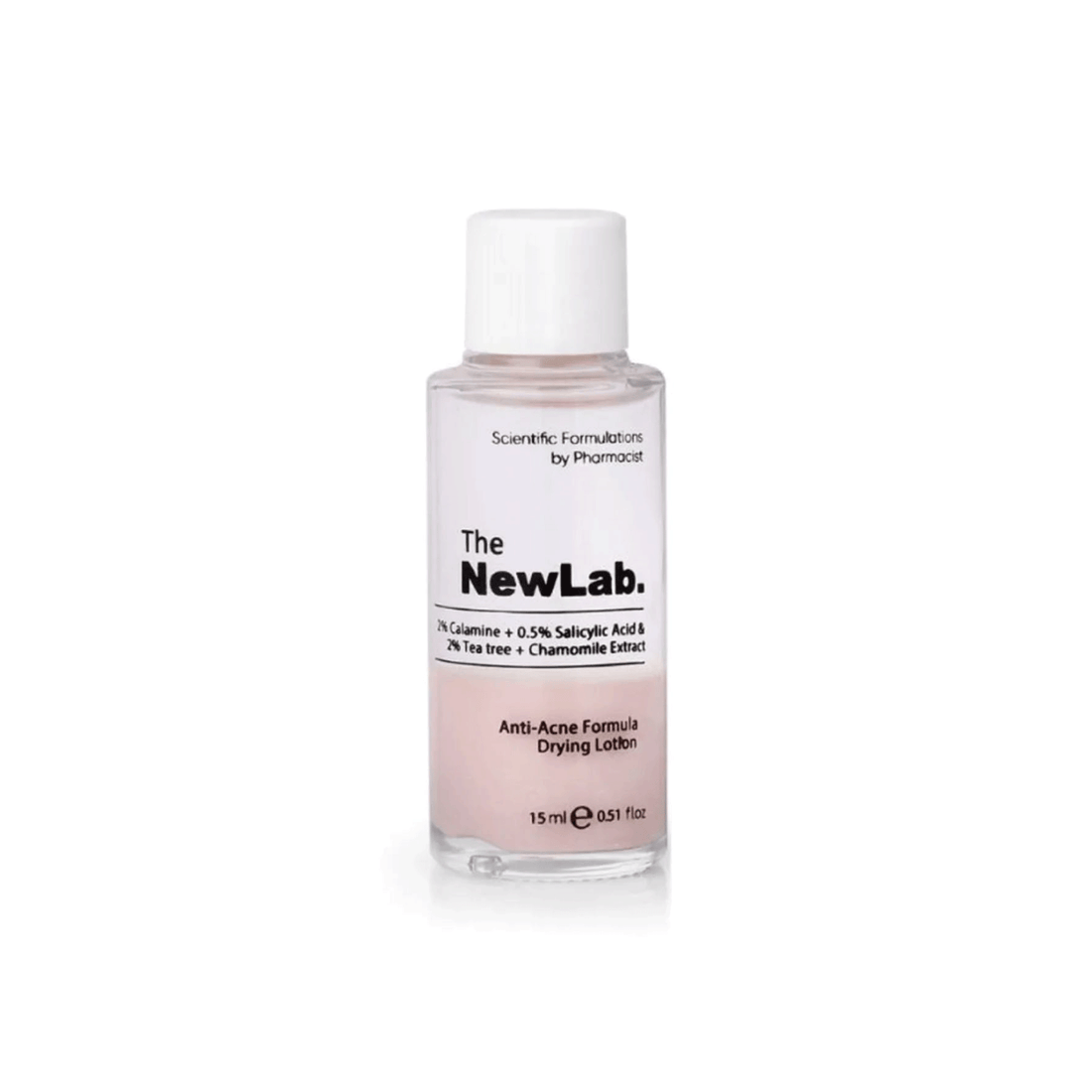
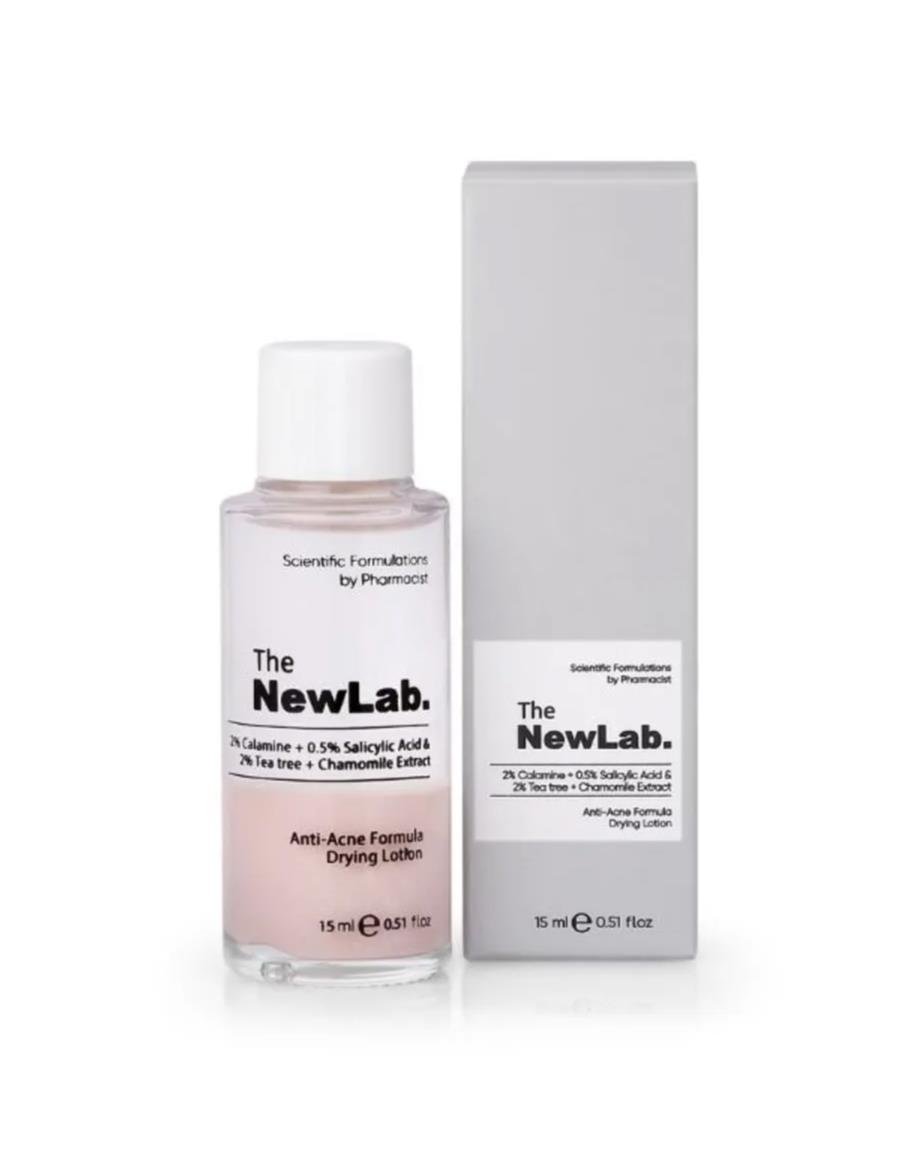 Anti-Acne LotionVendor:Anti-Acne LotionThe NewLab.
- Regular price
-
435.44TL - Regular price
-
669.90TL - Sale price
-
435.44TL
Quick view
-
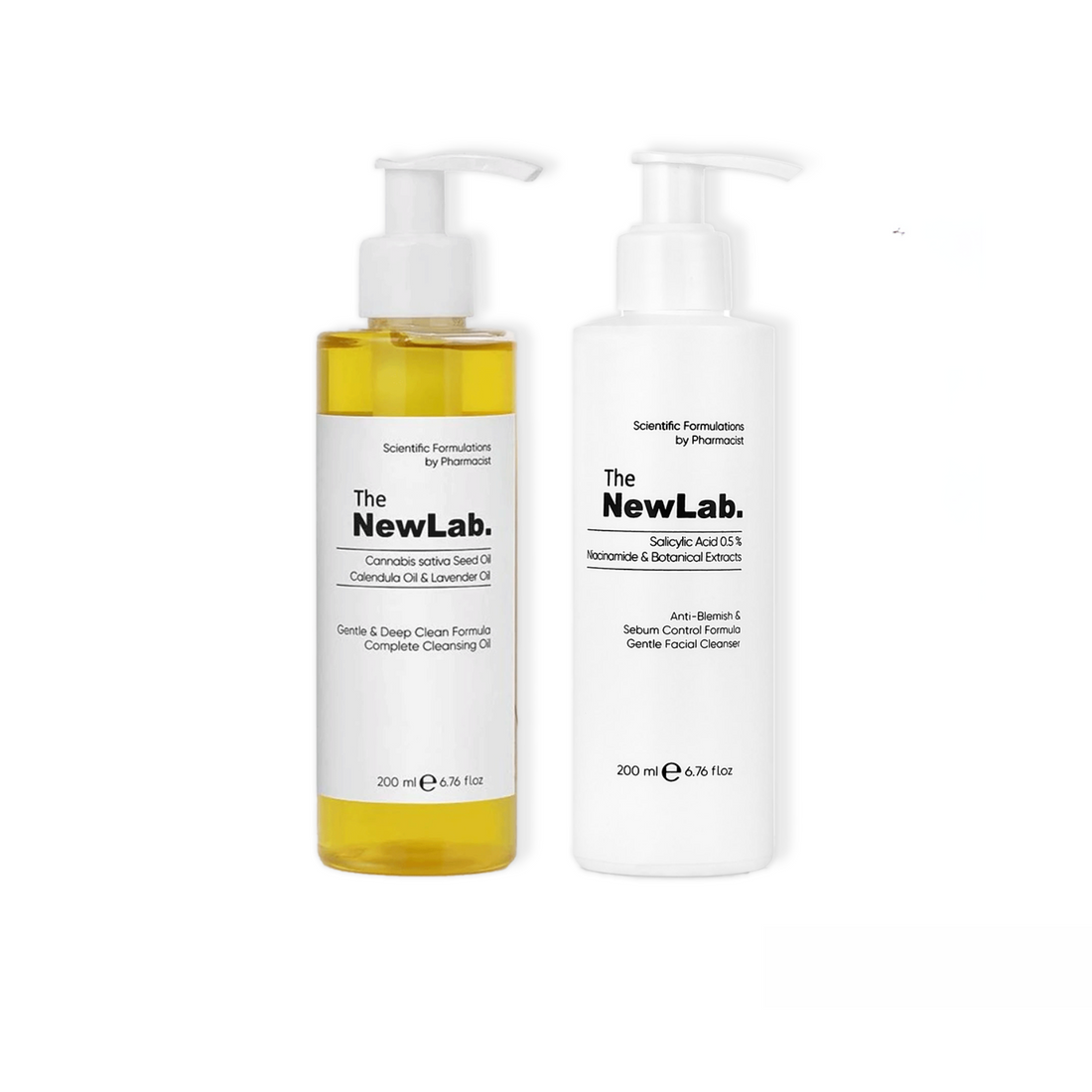
 Double Cleansing SetVendor:Double Cleansing SetThe NewLab.
- Regular price
-
909.99TL - Regular price
-
1,399.99TL - Sale price
-
909.99TL
Quick view
-

 Anti-Acne & Sebum Control Purifying Toner 200 mlVendor:Anti-Acne & Sebum Control Purifying Toner 200 mlThe NewLab.
- Regular price
-
229.99TL - Regular price
-
229.99TL - Sale price
-
229.99TL
Quick view
-

 Anti-Acne & Sebum Control Face Cleanser 200 mlVendor:Anti-Acne & Sebum Control Face Cleanser 200 mlThe NewLab.
- Regular price
-
199.99TL - Regular price
-
199.99TL - Sale price
-
199.99TL
Quick view


What is Salicylic Acid (BHA) and Why is it Used in Skincare?
Salicylic acid is a type of Beta Hydroxy Acid (BHA) that is one of the most effective active ingredients for treating acne and blackheads, as it penetrates inside the pores to dissolve accumulated oil, dirt, and dead cells. Its primary feature that distinguishes it from other acids is its oil-soluble structure—this allows it to penetrate into the pores instead of remaining on the skin's surface, dissolving and clearing away the sebum, dirt, and dead cells accumulated there. While AHAs (such as glycolic acid and mandelic acid) only work on the skin surface, salicylic acid goes deep into the pores to clear blockages at the source—which is why it is the preferred active ingredient for acne, blackheads, and pore concerns.
Naturally derived from willow bark (Salix alba), salicylic acid has been used since ancient times as a pain reliever and anti-inflammatory—aspirin is also produced from a derivative of this molecule. In skincare, it stands out as a versatile active ingredient due to its anti-inflammatory, antibacterial, and keratolytic (dead cell-dissolving) properties.
These two acid groups are often confused, but the difference between them is critical:
AHA (Alpha Hydroxy Acid): Water-soluble. Works on the skin surface. Provides brightness and even tone by removing dead cells from the surface. More effective on dry and sun-damaged skin.
BHA (Salicylic Acid): Oil-soluble. Penetrates into the pores. Clears blackheads and acne at the source by dissolving sebum. More effective on oily and acne-prone skin.
In short: AHA renews the surface of the skin, while BHA cleans the inside of the skin. Used together (at different times), they create a comprehensive exfoliation strategy.
The NewLab Salicylic Acid Skincare Products
The NewLab offers a comprehensive care line that combats acne, blackheads, and sebum imbalance by using salicylic acid in cleanser, toner, and spot treatment formulations. Each product is formulated with complementary actives that support the effect of salicylic acid.
Anti-Acne & Sebum Control Facial Cleanser 200 ml
Formulated for cleansing, the first and most critical step of a skincare routine, this facial cleanser deeply purifies pores with Salicylic Acid, while Niacinamide balances the skin's sebum production to control oiliness. The botanical extracts in its formula soothe the skin, preventing the feeling of dryness and tightness often caused by cleansers. With its pH-balanced structure suitable for daily use, it cleanses without irritating the skin—it can be used safely morning and evening.
Active Ingredients: Salicylic Acid, Niacinamide, Botanical Extracts
Rating: 4.94 / 5.0 (34 reviews) · View Product →
Anti-Acne & Sebum Control Purifying Toner 200 ml
The toner, which is the second step after cleansing, removes the final residues left on the skin while tightening pores and preparing the skin for subsequent care steps. While Salicylic Acid dissolves pore blockages, Zinc PCA regulates excessive sebum production to provide a matte appearance. Niacinamide strengthens the skin barrier while reducing the appearance of pores. The cleanser + toner duo doubles the effect of salicylic acid.
Active Ingredients: Salicylic Acid, Niacinamide, Zinc PCA
Rating: 4.95 / 5.0 (20 reviews) · View Product →
Anti-Acne Lotion — 2% Calamine + 0.5% Salicylic Acid
Offering a targeted solution for active acne, this spot treatment product uses 0.5% Salicylic Acid to dissolve the blockage inside the pimple, while 2% Calamine soothes inflammation and absorbs excess oil. Tea Tree Oil acts as an antibacterial to target acne-causing bacteria, while Chamomile Extract reduces redness and irritation. Usage is practical: before going to bed at night, dip a cotton swab into the pink sediment at the bottom of the bottle and apply it onto the pimple; let it dry until morning, then rinse in the morning. It provides a visible reduction in the size and redness of a pimple even with a single night's use.
Active Ingredients: Calamine 2%, Salicylic Acid 0.5%, Tea Tree Oil, Chamomile Extract, Zinc Oxide, Kaolin
Rating: 5.0 / 5.0 (1 review) · View Product →
Double-Phase Skin Cleansing Set
Offering the Facial Cleanser and Purifying Toner together, this set completes the anti-acne cleansing routine in a single package. After removing surface impurities and sebum with the cleanser, you complete the purification by going deep into the pores with the toner. When used as a set, the two products strengthen each other's effects—the toner penetrates the pores opened by the cleanser more effectively.
Rating: 5.0 / 5.0 (2 reviews) · View Set →
First application: The skin feels instantly cleaner, matte, and refreshed after the cleanser and toner.
1-2 weeks: A reduction in the number of blackheads and whiteheads begins. The rate of skin oiliness slows down. Note: A temporary "purging" (increase in acne) may be seen during this period—this is normal and is a sign that the salicylic acid is working.
4-6 weeks: The appearance of pores visibly shrinks, acne frequency decreases, and skin tone appears more homogeneous.
8-12 weeks: The skin gains a generally clearer, matte, and balanced appearance. With regular use, results become permanent.
How Does Salicylic Acid Work? Scientific Mechanism
The mechanism of action of salicylic acid on the skin stems from unique properties that distinguish it from other exfoliants:
1. Keratolytic Effect (Dissolving Dead Cells): Salicylic acid dissolves the desmosome connections that bind dead cells together on the skin surface and inside the pores. When desmosomes loosen, dead cells naturally detach from the skin, allowing pores to open. Unlike the superficial exfoliation of AHAs, this mechanism occurs inside the pores.
2. Comedolytic Effect (Clearing Blockages): Thanks to its oil-soluble structure, it dissolves hard sebum plugs (comedones) inside the pores. Blackheads (open comedones) and whiteheads (closed comedones) are cleared with this mechanism. It both treats and prevents clogged pores.
3. Anti-Inflammatory Effect: Salicylic acid is a molecule from the same family as aspirin (acetylsalicylic acid) and possesses powerful anti-inflammatory properties. It reduces redness, swelling, and pain in acne lesions. This feature is not present in AHAs—it is one of the differences that makes salicylic acid particularly valuable in acne treatment.
4. Antibacterial Effect: By lowering the pH of the pore environment, it makes it difficult for Cutibacterium acnes, the bacteria that causes acne, to multiply. As the bacterial population decreases, the formation of inflammatory pimples also decreases.
Benefits of Salicylic Acid-Containing Products for the Skin
Acne and Pimple Treatment: Salicylic acid is one of the most effective topical actives in the fight against acne. By dissolving the sebum and dead cells that clog pores, it prevents the formation of new pimples and accelerates the healing of existing ones. Thanks to its anti-inflammatory effect, it reduces redness and swelling in inflammatory pimples.
Clearing Blackheads and Whiteheads: Salicylic acid, the most effective solution for comedones, chemically dissolves and clears sebum plugs inside the pores. Regular use also prevents the formation of new comedones—while mechanical cleaning (like nose strips) only cleans the surface, salicylic acid dissolves the blockage at the source.
Shrinking Pore Appearance: Pores look enlarged when filled with sebum and dirt. Salicylic acid clears these deposits, allowing pores to return to their natural size. When used with Niacinamide, the pore-shrinking effect is strengthened.
Sebum Balancing: By controlling excessive sebum production in oily skin, it reduces shine and provides a matte appearance. When supported by Zinc PCA, the sebum control effect lasts for many hours.
Smoothing Skin Texture: Thanks to regular exfoliation, roughness, bumps, and irregularities on the skin surface decrease. The skin achieves a smoother texture and makeup adheres more smoothly.
Fading Acne Scars: Post-inflammatory hyperpigmentation (PIH)—that is, dark spots remaining after acne—fades over time with the cell renewal acceleration effect of salicylic acid. Combining it with Alpha Arbutin or Vitamin C accelerates the spot-fading process.
Concentration Guide: What is the Difference Between 0.5%, 1%, and 2%?
The efficacy of salicylic acid is directly related to its concentration. In cosmetic products, a maximum concentration of 2% is allowed. Which concentration is right for you depends on your skin type and experience:
0.5% — Beginner Level: Ideal for sensitive skin and those new to salicylic acid. Provides gentle exfoliation; the risk of irritation is minimal. The NewLab's Anti-Acne Lotion contains salicylic acid at a 0.5% concentration—it provides sufficient effect in spot application while not drying out the skin.
1% — Intermediate Level: Suitable for combination skin and mild-to-moderate acne. Offers a balanced effect profile suitable for daily use.
2% — Maximum Strength: The most effective concentration for oily skin and stubborn acne. Provides deep pore cleansing and strong sebum control. However, it may cause irritation with daily use on sensitive skin—starting with 3-4 times a week is recommended.
For salicylic acid to work effectively, the product's pH must be between 3.0 and 4.0. In this pH range, salicylic acid remains in its "free acid" form and can penetrate pores. Above pH 4.0, its efficacy drops significantly. The NewLab's salicylic acid formulations are balanced according to this pH range for optimal efficacy.
What is "Purging"? Is it Normal?
In the first 1-3 weeks after starting to use salicylic acid, a temporary increase in acne may occur on the skin—this situation is called "purging" and is completely normal. However, it is important to distinguish this from a true irritation reaction:
Purging (Normal): Salicylic acid rapidly brings blockages inside the pores to the surface—meaning pimples that were already about to form appear faster. These pimples generally heal faster, and their frequency decreases within 2-4 weeks. During purging, new pimples are generally seen in usual areas (where pimples already occur).
Irritation Reaction (Abnormal): If pimples appear in areas where you have never had them before, or if the skin becomes overly red, burning, or peeling, this could be an irritation reaction. In this case, reduce the frequency of use or take a break for a while. If complaints persist, consult a dermatologist.
To manage the purging process: Start slowly (2-3 times a week), and increase the frequency as your skin gets used to it. Do not squeeze pimples during the purging period—it increases the risk of scarring. You can intervene in active pimples with the The NewLab Anti-Acne Lotion.
3-Step Salicylic Acid Routine: Cleanser → Toner → Spot Treatment
The NewLab's salicylic acid series creates a 3-step anti-acne routine that complements each other when used together:
Step 1 — Cleanser (Morning & Evening): Lather the Anti-Acne Facial Cleanser on damp skin by gently massaging. Rinse with warm water after massaging for 30-60 seconds. This step removes sebum, dirt, and makeup residues on the skin surface.
Step 2 — Toner (Morning & Evening): After cleansing, apply the Purifying Toner to your entire face with the help of a cotton pad. The toner penetrates the pores opened by the cleanser to provide deep purification and prepares the skin for subsequent care steps.
Step 3 — Spot Treatment (Evening, as needed): Apply the Anti-Acne Lotion to active pimples with a cotton swab as a spot treatment. Use the pink sediment at the bottom without shaking the bottle. Leave to dry until morning.
Last step in the morning — Sunscreen: Salicylic acid can make the skin sensitive to the sun. Therefore, be sure to use an SPF 30+ sunscreen in your morning routine. The NewLab's sunscreen series offers formulas that do not clog pores and are suitable for oily skin.
Salicylic Acid + Niacinamide: Powerful Synergy
Most of The NewLab's salicylic acid formulations also contain Niacinamide, and there is a scientific reason for this: this duo forms a powerful synergy that complements each other in anti-acne care.
Salicylic acid clears pores, dissolves sebum, and reduces bacteria—that is, it targets the cause of acne. Niacinamide regulates sebum production at the source (reduces the activity of oil glands), strengthens the skin barrier, and alleviates inflammation—that is, it controls the triggers of acne.
When these two actives work together: while salicylic acid clears existing blockages, niacinamide slows down the formation of new ones. Result: both treatment and prevention occur simultaneously. Furthermore, the barrier-strengthening effect of niacinamide balances the potentially drying effect of salicylic acid, preventing the skin from losing moisture.
Best Combinations: Which Actives Can Salicylic Acid Be Used With?
Salicylic Acid + Niacinamide: The gold standard of anti-acne care. Sebum control + pore cleansing + barrier strengthening. This duo is already found in The NewLab's cleanser and toner.
Salicylic Acid + Zinc PCA: Dual-action sebum control. While salicylic acid clears pores, Zinc PCA regulates oil production. Provides a long-lasting matte look.
Salicylic Acid + Calamine: Acne treatment + soothing. While salicylic acid treats the pimple, calamine soothes redness and inflammation. This duo is formulated in The NewLab's Anti-Acne Lotion.
Salicylic Acid + Hyaluronic Acid: Purifying + moisturizing. To ensure the skin does not dry out while using salicylic acid, provide moisture support with hyaluronic acid. Apply the salicylic acid product first, then the HA serum.
Salicylic Acid + Alpha Arbutin: Acne treatment + spot fading. While salicylic acid treats active acne, alpha arbutin fades dark spots left after acne.
Salicylic Acid + Retinol: A powerful duo but must be used with caution. Do not use them at the same time (on the same night)—the skin may become irritated. An alternating night routine is recommended: one night salicylic acid, one night retinol.
Salicylic Acid + AHA (Glycolic/Mandelic Acid) — At the same time: Applying two acids at the same time leads to over-exfoliation and a risk of irritation. They can be used on different days or by separating morning/evening.
Salicylic Acid + Benzoyl Peroxide — At the same time: Used together, they can dry out the skin excessively. Use at different times.
Salicylic Acid + Vitamin C (low pH) — At the same time: When two low-pH products are applied on top of each other, the risk of irritation increases. Vitamin C can be used in the morning and salicylic acid in the evening.
Which Skin Types is Salicylic Acid Suitable For?
Oily Skin: This is the skin type that benefits most from salicylic acid. It balances excessive sebum production to control shine, clears pores deeply to prevent blackheads and acne. Suitable for daily use.
Combination Skin: Offers an effective solution for oiliness and pore problems in the T-zone (forehead, nose, chin). You can create a personalized routine by applying the toner to the entire face and the lotion only to problem areas.
Acne-Prone Skin: Regardless of skin type, anyone experiencing acne issues can benefit from salicylic acid. Its anti-inflammatory and antibacterial effects play a critical role in both the treatment and prevention of acne.
Normal Skin: For mild pore issues or occasional pimples, a cleanser containing salicylic acid may be sufficient on its own. Using it 3-4 times a week is recommended.
Sensitive Skin: Start with lower concentration products (0.5%) and observe your skin's reaction. The NewLab Anti-Acne Lotion, with its 0.5% concentration, is a more suitable option for sensitive skin. Begin with 2-3 times a week and increase based on tolerance.
Dry Skin: Since salicylic acid can have a drying effect, it should be used with caution on dry skin. Using it in a cleanser form (short contact time) is the safest approach. Be sure to follow up with hyaluronic acid and a moisturizer to restore hydration.
Things to Consider
Sunscreen is a must: As salicylic acid thins the top layer of the skin, it increases sun sensitivity. Always apply a broad-spectrum SPF 30+ sunscreen in the morning while using products containing salicylic acid.
Start slowly: If you are new to salicylic acid, start with 2-3 applications per week and transition to daily use based on your skin's tolerance. Starting daily use immediately increases the risk of irritation.
Don't neglect hydration: Salicylic acid can dry out the skin. Apply a moisturizer after every use. Hydration is important even for oily skin—skin that doesn't receive enough moisture may enter a vicious cycle of producing more oil.
Avoid over-exfoliation: Using multiple products containing salicylic acid (cleanser + toner + serum + peeling) in the same routine can severely irritate the skin. The NewLab cleanser + toner duo is formulated to be a balanced combination, but do not add BHA serums from other brands on top.
Avoid the eye and mouth areas: Avoid applying products containing salicylic acid around the eyes and corners of the lips—the skin in these areas is thinner and more sensitive.
Caution during pregnancy: Topical salicylic acid products with low concentrations (0.5-2%) are generally considered safe; however, it is recommended to consult your doctor before using any active ingredients during pregnancy.
Frequently Asked Questions
Can salicylic acid be used every day?
It depends on your skin type and the product's formulation. Salicylic acid in a cleanser form (short contact time) is more suitable for daily use. For toners and leave-on products, decide based on your skin's tolerance. While oily and resilient skin can often tolerate daily use, using it 3-4 times a week may be safer for sensitive or combination skin. In any case, start slowly and observe your skin's reaction.
Is salicylic acid good for acne scars?
Yes, it is indirectly effective. By accelerating cell turnover, salicylic acid helps fade post-inflammatory hyperpigmentation (dark spots after acne). However, for deep acne pits (atrophic scars), salicylic acid alone is not sufficient—dermatological procedures may be required for such scars. For superficial spots and discoloration, a combination of salicylic acid + alpha arbutin is an effective approach.
Does salicylic acid clear blackheads?
Yes—salicylic acid is considered the most effective active ingredient for blackheads. Thanks to its oil-soluble structure, it chemically dissolves and clears the hardened sebum plug inside the pores. While mechanical methods like nose strips only clean the surface, salicylic acid removes the obstruction at its source and prevents it from reforming with regular use.
Does salicylic acid shrink pores?
The actual size of pores is genetically determined and cannot be permanently changed. However, the appearance of pores is directly related to the buildup of sebum within them—pores filled with sebum and dirt look larger. Salicylic acid clears these deposits, making pores look optically smaller. With regular use, a noticeable improvement in the appearance of pores is observed.
Can salicylic acid and AHA (glycolic acid) be used together?
Using them simultaneously (during the same application) is not recommended—it poses a risk of over-exfoliation and irritation. However, they can be used at different times: AHA in the morning and salicylic acid at night, or using them on alternate days is a safe and effective strategy. This way, both the skin surface (AHA) and the inside of the pores (BHA) are exfoliated.
Can salicylic acid be used during pregnancy?
Topical salicylic acid products with low concentrations (0.5-2%) (such as face washes or toners) are generally considered safe during pregnancy. However, high-concentration chemical peels and salicylic acid products applied over large surface areas should be avoided. In any case, it is recommended to consult your doctor during pregnancy.
Does salicylic acid dry out the skin?
Since salicylic acid is an active that dissolves sebum, it can create a feeling of dryness, especially in dry and sensitive skin. To reduce this risk: always use a moisturizer after salicylic acid, start by using it a few days a week, and increase frequency as your skin gets used to it. Niacinamide and botanical extracts in The NewLab's formulations are added to balance this drying effect.
When should salicylic acid be used, morning or evening?
Both are possible, but due to sun sensitivity, evening use may be more ideal. If you use it in the morning, be sure to apply SPF 30+ sunscreen over it. The NewLab cleanser and toner are formulated to be suitable for both morning and evening use—you remove oil with the cleanser in the morning and deeply purify pores with the toner in the evening.
Can salicylic acid and retinol be used together?
Both are potent actives, and using them together on the same night can severely irritate the skin. The recommended strategy is: alternate night use. Apply the salicylic acid toner one night and the retinol serum the next. This way, both pore cleansing and anti-aging care are maintained together.
Is sunscreen necessary when using salicylic acid?
Yes, absolutely. Salicylic acid removes dead cells from the top layer of the skin, revealing new skin cells—these new cells are more sensitive to UV rays. Using salicylic acid without sunscreen increases the risk of hyperpigmentation (spots). A broad-spectrum SPF 30+ sunscreen must be applied as the last step in your morning routine.
What is the difference between salicylic acid and benzoyl peroxide?
The two work through different mechanisms. Salicylic acid penetrates inside the pores to dissolve obstructions—it is more effective for blackheads, whiteheads, and pore issues. Benzoyl peroxide directly kills the bacteria that cause acne—it provides faster results for inflamed, red pimples but dries out the skin more. Salicylic acid can be preferred for mild-to-moderate acne and pore issues, while benzoyl peroxide is better for stubborn inflamed acne. They can be used at different times, but not simultaneously.
Can salicylic acid be used for the scalp and dandruff?
Yes. Salicylic acid is effective not only in facial care but also for scalp problems. It reduces dandruff, relieves itching, and makes the scalp look healthier by dissolving dead cells and sebum buildup. Shampoos containing salicylic acid are commonly used for this purpose. However, The NewLab's current salicylic acid products are formulated for face and body care.
Salicylic Acid vs. Benzoyl Peroxide: Which is More Effective?
The two most frequently compared actives in acne treatment, salicylic acid and benzoyl peroxide, work through different mechanisms—understanding which one is right for you will help you choose the right product:
Salicylic Acid (BHA): Penetrates into pores to dissolve obstructions. It is more effective for blackheads, whiteheads, and pore issues. It has an anti-inflammatory effect—reduces redness. It dries the skin less. It provides sebum control. It is used for both treatment and preventive care.
Benzoyl Peroxide: Directly kills the bacteria that cause acne—strong antibacterial effect. It gives faster results for inflamed, red, and pus-filled pimples. However, it dries out the skin more and can cause irritation. It can bleach fabrics. It is not as effective as salicylic acid for blackheads and pore issues.
Summary: If your concerns are primarily blackheads, pores, and mild-to-moderate acne → salicylic acid. If you have inflamed, cystic, and stubborn acne → benzoyl peroxide or a combination of both (at different times). The NewLab salicylic acid series offers a comprehensive solution for blackheads + pores + sebum control + mild-to-moderate acne treatment.
Salicylic Acid for Adult Acne: For Skin After 25
Acne is not limited to adolescence—"adult acne" (acne after 25) is a common issue, especially among women. Hormonal fluctuations, stress, irregular sleep, and incorrect product selection can trigger adult acne. Adult acne is usually concentrated along the jawline, chin, and neck area.
Salicylic acid is particularly effective in treating adult acne because: it clears pores without over-drying the skin (unlike aggressive products used for adolescent acne), its anti-inflammatory effect soothes inflamed lesions on mature skin, and when used with niacinamide, it supports both acne treatment and anti-aging care by protecting the skin barrier.
Recommended approach for skin over 25: create a daily cleansing routine with a salicylic acid cleanser + toner, but supplement this with hydration using hyaluronic acid and anti-aging care using retinol (on alternate nights).
Using Salicylic Acid on the Body: Solution for Back, Chest, and Arm Acne
Acne is common not only on the face but also on the back (bacne), chest, and upper arms. Since pores in these areas are larger than those on the face, deeper blockages can form. Salicylic acid's oil-soluble structure can also penetrate deep into body pores.
The NewLab Anti-Acne Lotion can be used all over the body—including the face, back, chest, and arms. Apply it directly to the affected areas before going to bed. For hard-to-reach areas on the back, you can use a long-handled cotton swab.
Additional tips for body acne: take a shower immediately after sweating (sweat clogs pores), choose cotton instead of tight and synthetic clothing, wash your body with a cleanser containing salicylic acid, and choose non-comedogenic formulas when using sunscreen.