
1 product
-
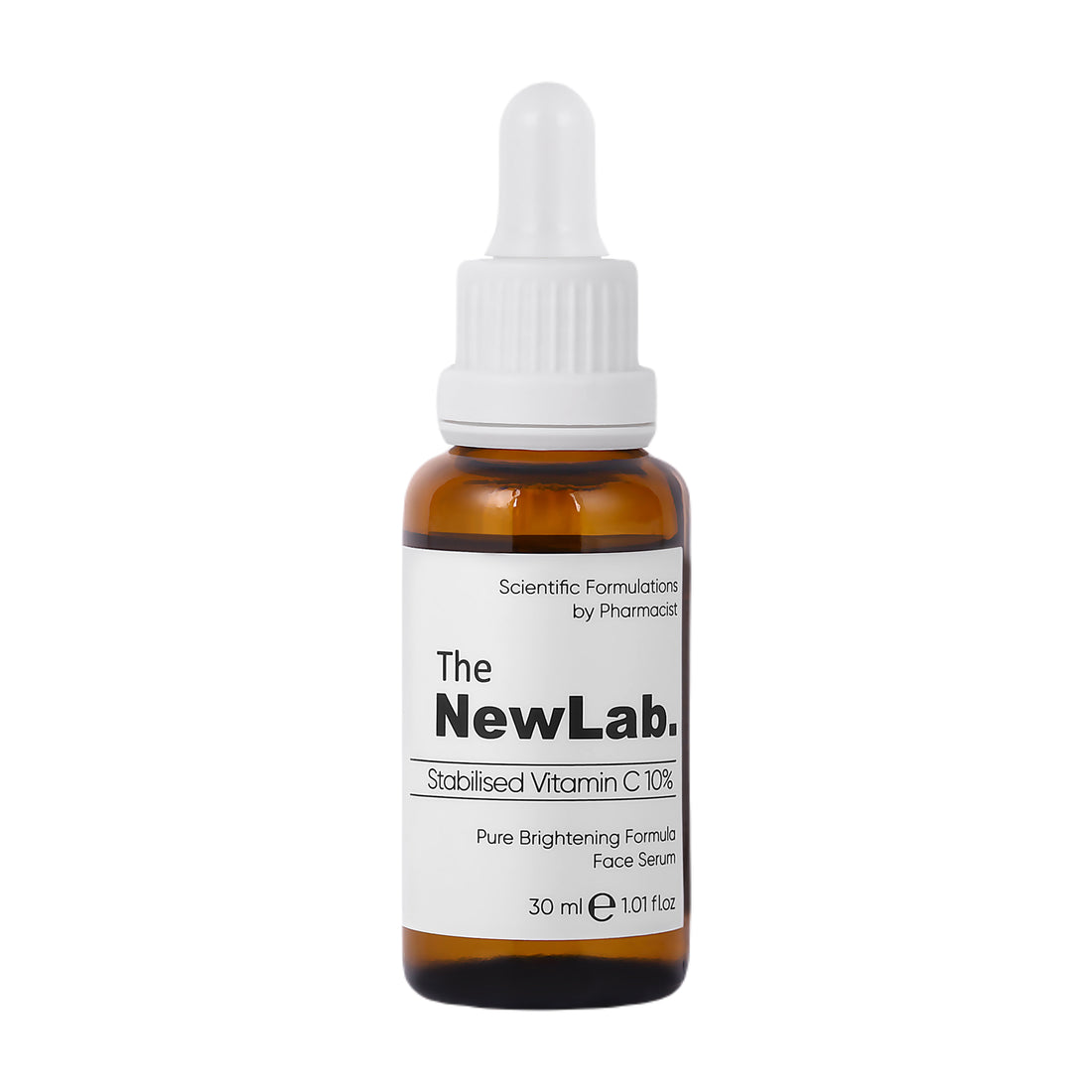
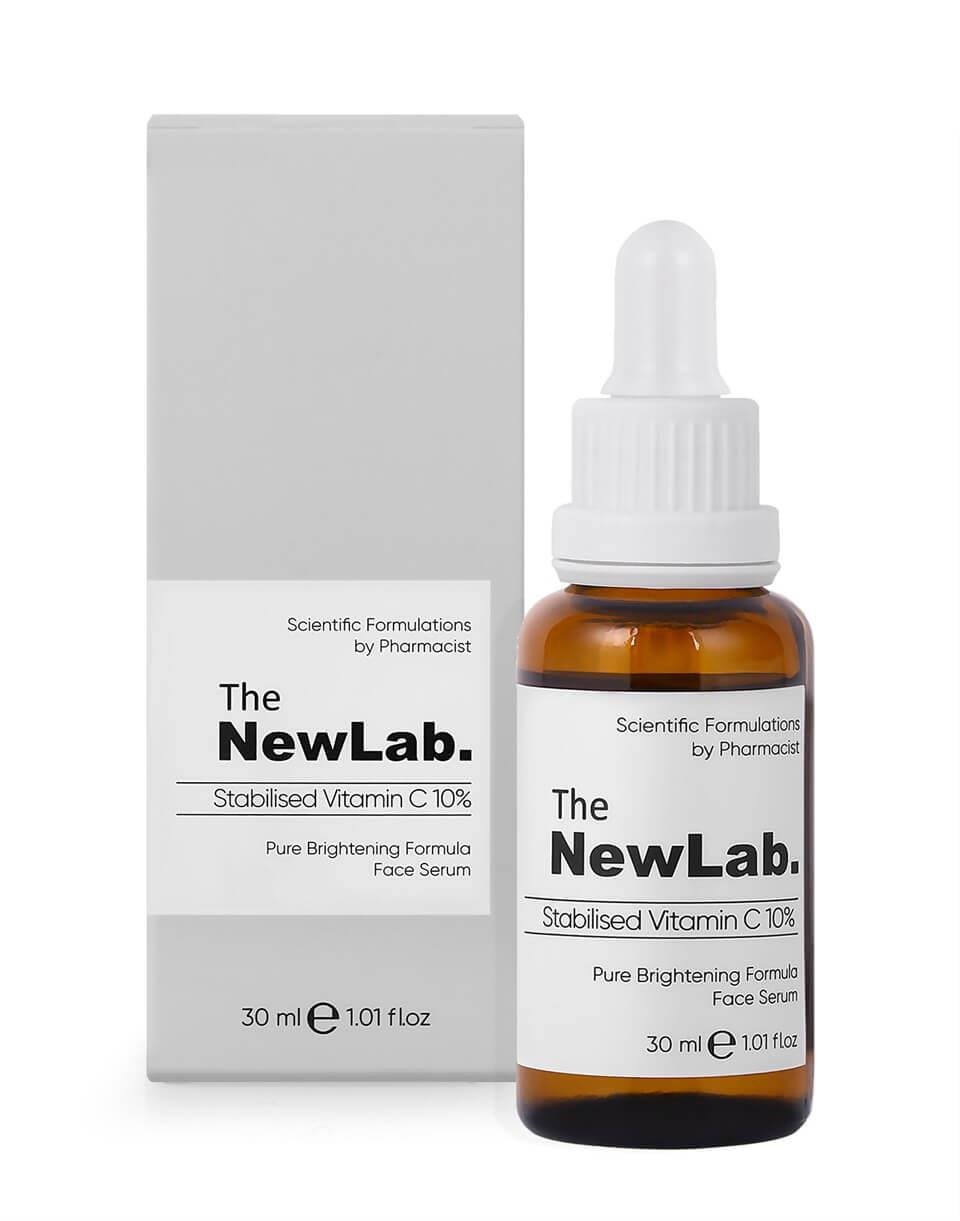 Vitamin C SerumVendor:Vitamin C SerumThe NewLab.
- Regular price
-
545.94TL - Regular price
-
839.90TL - Sale price
-
545.94TL
Quick view
Why is Vitamin C Used in Skincare?
Vitamin C is one of the most powerful antioxidants in skincare. Also known as ascorbic acid, this active ingredient prevents cellular damage caused by free radicals, supports collagen production, and evens out skin tone by regulating melanin synthesis. Skincare products containing Vitamin C are effectively used against dark spots, uneven skin tone, fine lines, a dull and lifeless appearance, and environmental damage.
The benefits of Vitamin C in skincare have been extensively documented scientifically. A review published in the journal Nutrients in 2017 shows that topical application of Vitamin C increases collagen synthesis, reduces photodamage, and improves hyperpigmentation. The NewLab ensures this powerful active reaches your skin without undergoing oxidation through its stabilized Vitamin C technology.
Vitamin C Serum – Stabilised Vitamin C 10%
Vitamin C Serum features an advanced formulation containing 10% concentration of 3-O-Ethyl Ascorbic Acid (stabilized Vitamin C) and niacinamide. 3-O-Ethyl Ascorbic Acid has a much more stable structure compared to pure ascorbic acid; it does not oxidize when exposed to light, air, and heat, maintaining its effectiveness for a long time. By applying a few drops before your moisturizer in your morning routine, it protects and revitalizes your skin throughout the day. With the support of niacinamide, the skin barrier is strengthened, the appearance of pores is reduced, and sebum balance is supported. With regular use, the skin gains a brighter, firmer, and more radiant appearance.
Types of Vitamin C: Pure Vitamin C or Stabilized Vitamin C?
Vitamin C is used in many different forms in skincare products, and each form has its own unique advantages. Understanding the right form of Vitamin C is important for choosing the product best suited for your skin.
L-Ascorbic Acid: It is the most active form of pure Vitamin C and the type that has been studied most extensively. It shows powerful antioxidant and brightening effects. Its disadvantage is that it is extremely unstable: it oxidizes rapidly when in contact with air, light, and water, turning brown and losing its effectiveness. Its pH needs to be below 3.5, which can pose a risk of irritation for sensitive skin.
3-O-Ethyl Ascorbic Acid (Stabilized Vitamin C): This form, used in The NewLab's Vitamin C Serum, is a stabilized derivative of pure Vitamin C. It is resistant to oxidation, remains effective over a wide pH range, and converts into pure ascorbic acid in the skin to provide the same benefits. It is suitable for all skin types, including sensitive skin.
Ascorbyl Glucoside: A water-soluble and stable form of Vitamin C linked to a sugar molecule. It is preferred for sensitive skin due to its gentler effect, but its effectiveness is lower compared to pure Vitamin C and the 3-O-Ethyl form.
Magnesium Ascorbyl Phosphate (MAP): One of the most stable forms of Vitamin C. It remains stable in water-based formulas for a long time. Its moisturizing effect is strong, but it is not as effective as ascorbic acid for brightening and collagen synthesis.
What Percentage Should Vitamin C Be in Skincare?
The concentration of Vitamin C directly determines the product's effectiveness and tolerability. Research shows that for topical Vitamin C to be effective, it must have at least an 8% concentration, with maximum absorption occurring around 20%. Concentrations above 20% do not provide additional benefits and increase the risk of irritation.
5-10%: The ideal starting range for beginners and sensitive skin. The NewLab's Vitamin C Serum offers a safe and effective dose for both beginners and regular users with a 10% concentration. 10-15%: The standard effective range for normal and combination skin. 15-20%: The highest level preferred for experienced users and significant dark spot/aging concerns.
Besides concentration, the formulation is also very important. For pure ascorbic acid (L-Ascorbic Acid), a pH below 3.5 increases effectiveness but also increases the risk of irritation. Stabilized forms like 3-O-Ethyl Ascorbic Acid remain effective over a wide pH range and have a much lower risk of irritation.
How to Use Vitamin C Serum?
To get maximum benefit from Vitamin C serum, it is important to follow the correct application steps:
1. Skin Cleansing: Purify your face with a facial cleanser suitable for your skin type. 2. Toner (Optional): You can balance your skin with a toner. 3. Vitamin C Serum: Take 3-4 drops of Vitamin C Serum into your palm and gently spread it over your face and neck area. Wait 1-2 minutes for it to absorb. 4. Moisturizer: Apply moisturizing cream over the serum. 5. Sunscreen (Morning): Always complete your morning routine with an SPF 50+ sunscreen.
Practical Tip: Vitamin C serum is most effectively used in the morning routine. It creates an antioxidant shield that protects your skin against UV and environmental stress factors throughout the day. When used with sunscreen, UV protection increases synergistically.
Storage Conditions for Vitamin C Serum
Vitamin C, especially in its pure ascorbic acid form, loses its effectiveness by undergoing oxidation when in contact with light, heat, and air. An oxidized Vitamin C product turns a dark yellow or brown color and is no longer effective.
The NewLab's Vitamin C Serum is much more resistant to oxidation as it uses stabilized Vitamin C (3-O-Ethyl Ascorbic Acid). Still, to keep the product's shelf life at the highest level, it is recommended to store it in a cool, dark place. Keeping it in the refrigerator increases the product's stability and provides a cooling sensation during application. Close the cap tightly after each use and keep it away from direct sunlight.
Vitamin C vs. Niacinamide: Comparison in Brightening and Dark Spot Care
Vitamin C and niacinamide are the two most frequently preferred actives for skin brightening and dark spot care. As a powerful antioxidant, Vitamin C neutralizes free radicals, increases collagen production, and reduces the appearance of dark spots by directly inhibiting melanin synthesis. Niacinamide, on the other hand, prevents dark spot formation by blocking the transfer of melanosomes to keratinocytes, strengthens the skin barrier, and regulates sebum production.
The good news is that Vitamin C and niacinamide can be used together — contrary to old beliefs, these two actives do not neutralize each other. The NewLab's Vitamin C Serum already contains niacinamide in its formula, allowing you to benefit from the synergistic effect of both actives in a single product. For more intensive niacinamide support, you can check out our niacinamide collection.
Vitamin C vs. Retinol: Comparison in Anti-Aging Care
Vitamin C and retinol are the two core actives of anti-aging skincare, but they work through different mechanisms. Vitamin C slows aging by providing antioxidant protection, supports collagen synthesis, and lightens dark spots; it is most effective in the morning routine. Retinol reduces fine lines, wrinkles, and pigmentation by accelerating cell turnover; it should be used in the evening routine.
These two actives form a perfect anti-aging strategy when used together: a morning Vitamin C, evening retinol formula is the safest and most effective combination. You can establish a routine consisting of Vitamin C Serum + SPF 50+ sunscreen in the morning, and a retinol serum in the evening.
Vitamin C vs. Alpha Arbutin: Comparison in Dark Spot Care
In dark spot care, Vitamin C and alpha arbutin regulate melanin production through different pathways. As a powerful antioxidant, Vitamin C both lightens existing spots and prevents the formation of new ones. Alpha arbutin directly inhibits the tyrosinase enzyme, slowing down melanin synthesis and showing a more targeted anti-spot effect.
When these two actives are used together, a synergistic effect occurs in dark spot care. While Vitamin C provides general brightening and antioxidant protection, alpha arbutin focuses on specific spots. You can find products containing both actives in The NewLab's dark spot and tone correcting collection.
Active Ingredients That Can Be Used With Vitamin C
Knowing the right combinations is important to increase the effect of your Vitamin C serum.
Actives compatible with Vitamin C: Hyaluronic acid (moisture support), niacinamide (barrier strengthening — can be safely used in the same routine), alpha arbutin (synergistic effect in dark spot care), Vitamin E and ferulic acid (a combination that multiplies antioxidant power), Vitamin B5 / panthenol (soothing and repairing).
Actives to be cautious of with Vitamin C: Simultaneous use in the same routine with AHA and BHA acids can irritate the skin. Vitamin C in the form of pure ascorbic acid should be used in different routines (morning/evening) than strong acids. Stabilized Vitamin C forms are better tolerated with acids.
Frequently Asked Questions
What does Vitamin C serum do?
Vitamin C serum is a powerful antioxidant. It prevents cellular damage caused by free radicals, reduces fine lines and wrinkles by supporting collagen production, and evens out skin tone and reduces the appearance of spots by regulating melanin synthesis. It also provides protection against UV damage and contributes to a brighter, more radiant, and younger-looking skin.
Should Vitamin C serum be used in the morning or evening?
Vitamin C serum is most effectively used in the morning routine. It creates an antioxidant shield against stress factors like UV rays and environmental pollution throughout the day. When used with sunscreen, UV protection increases synergistically. Evening use is also possible, but morning use provides more antioxidant benefits.
How long does it take for Vitamin C serum to show effects?
The first effects of Vitamin C serum, such as skin brightness and increased vitality, are usually noticed within 1-2 weeks. Regular use for 4-8 weeks is required for evening out skin tone and reducing the appearance of dark spots, and 8-12 weeks for improving fine lines and wrinkles. Patient and consistent use yields the best results.
What percentage should Vitamin C serum be?
A concentration of at least 8% is recommended for effective results. The 5-10% range is suitable for beginners and sensitive skin, 10-15% for standard users, and 15-20% for experienced users. Concentrations above 20% do not provide additional benefits. The NewLab's Vitamin C Serum offers a safe and effective dose with a 10% concentration.
Is Vitamin C serum suitable for every skin type?
Stabilized Vitamin C forms (such as 3-O-Ethyl Ascorbic Acid) are suitable for all skin types, including sensitive skin. Pure ascorbic acid forms, however, can irritate sensitive skin. Oily skin, dry skin, combination skin, and mature skin can all benefit from Vitamin C serum. For skin that is very sensitive or going through an active eczema/rosacea period, it is recommended to consult a dermatologist before use.
Vitamin C serum changed color, can it still be used?
If the color of your Vitamin C serum has changed from a light yellow to dark brown, this means oxidation has occurred. Oxidized Vitamin C has largely lost its effectiveness and can irritate the skin, so it is recommended not to use it. Stabilized Vitamin C forms (like The NewLab's Vitamin C Serum) are much more resistant to oxidation. Storing the product in a cool, dark place or in the refrigerator extends its shelf life.
Can Vitamin C and niacinamide be used together?
Yes, Vitamin C and niacinamide can be safely used together. Although it was previously thought that these two actives neutralized each other, current research shows this is not true. The NewLab's Vitamin C Serum already contains niacinamide in its formula, and these two actives work synergistically in brightening, anti-spot effects, and barrier strengthening.
Can Vitamin C serum be used instead of sunscreen?
No, definitely not. Vitamin C serum is not a sunscreen. It helps reduce UV damage with its antioxidant effect, but it does not filter sun rays. Vitamin C serum is a product that complements the effect of sunscreen, not an alternative to it. After applying Vitamin C serum in your morning routine, you must apply SPF 50+ sunscreen.
Is Vitamin C serum used during pregnancy?
Vitamin C is one of the few active ingredients generally considered safe for topical use during pregnancy. While many actives like retinol and high-dose AHA/BHA are not recommended during pregnancy, Vitamin C serum can be used safely. Still, every pregnancy is different; it is recommended that you consult your doctor before using any product containing active ingredients.
Should Vitamin C serum be stored in the refrigerator?
Although storing it in the refrigerator is not mandatory, it increases stability and extends the shelf life, especially for products containing pure ascorbic acid. Stabilized Vitamin C forms (3-O-Ethyl Ascorbic Acid) also remain stable at room temperature. Still, a cool, dark environment is ideal for all Vitamin C products. A Vitamin C serum stored in the refrigerator also provides a cooling effect during application and contributes to a pore-tightening sensation.
To strengthen your skincare routine with Vitamin C and achieve brighter, younger, and more radiant skin, discover The NewLab's products containing Vitamin C. You can create the most suitable routine for your skin with our serum collection, dark spot and tone correcting products, and anti-aging care products. Free shipping on all orders.