
2 products
-
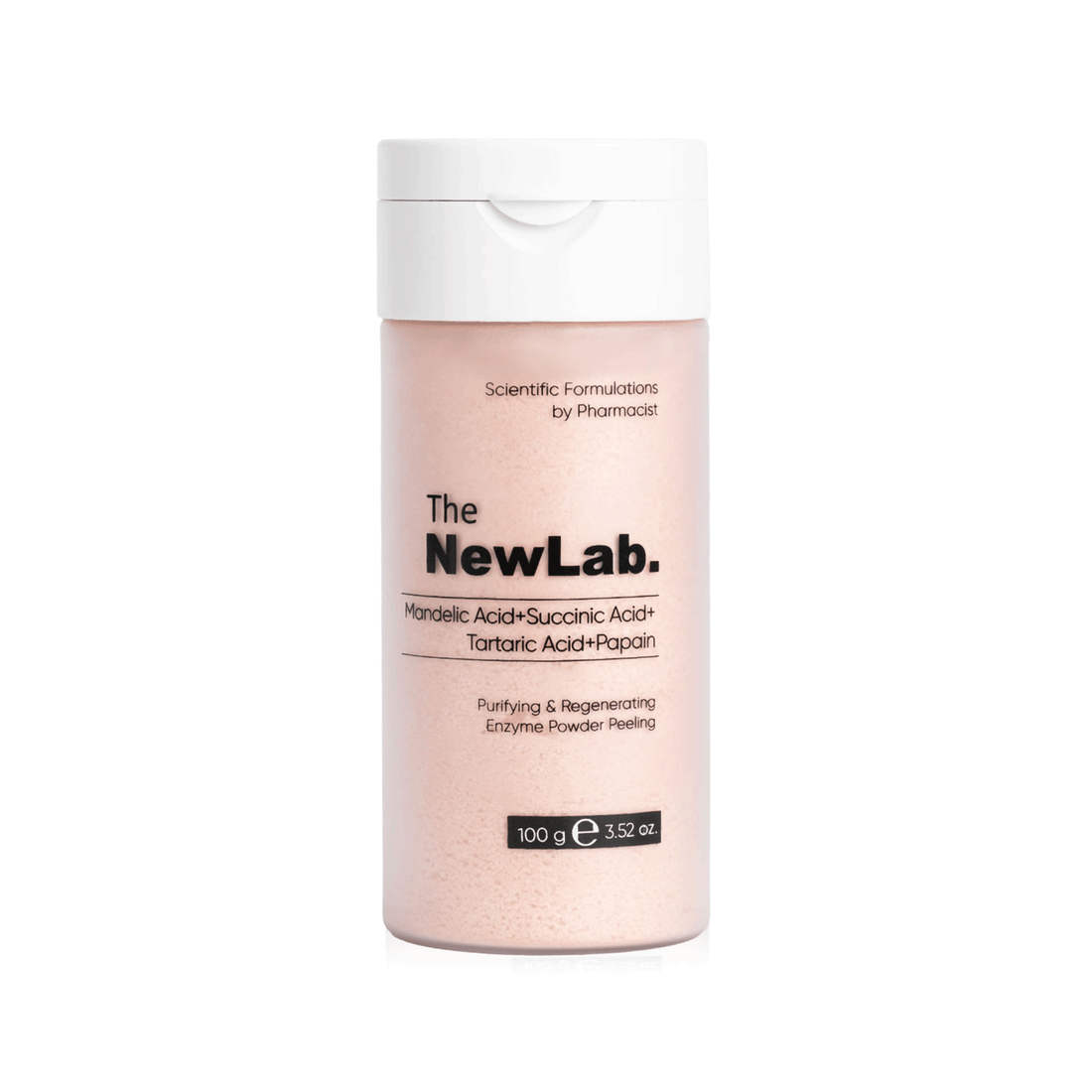
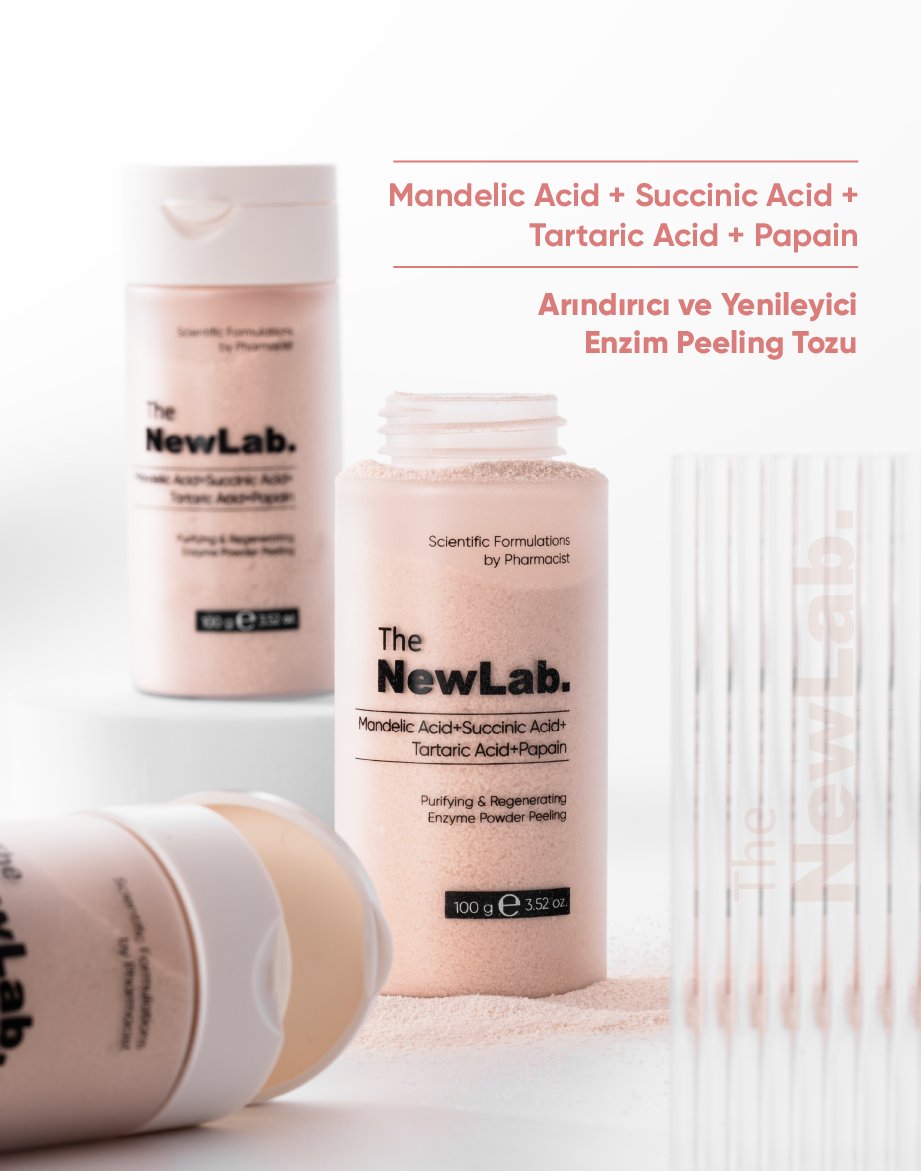 Purifying and Renewing Enzyme Powder Peeling 100g (Mandelic Acid + Succinic Acid + Tartaric Acid + Papain)Vendor:Purifying and Renewing Enzyme Powder Peeling 100g (Mandelic Acid + Succinic Acid + Tartaric Acid + Papain)The NewLab.
- Regular price
-
844.94TL - Regular price
-
1,299.90TL - Sale price
-
844.94TL
YENİQuick view
-
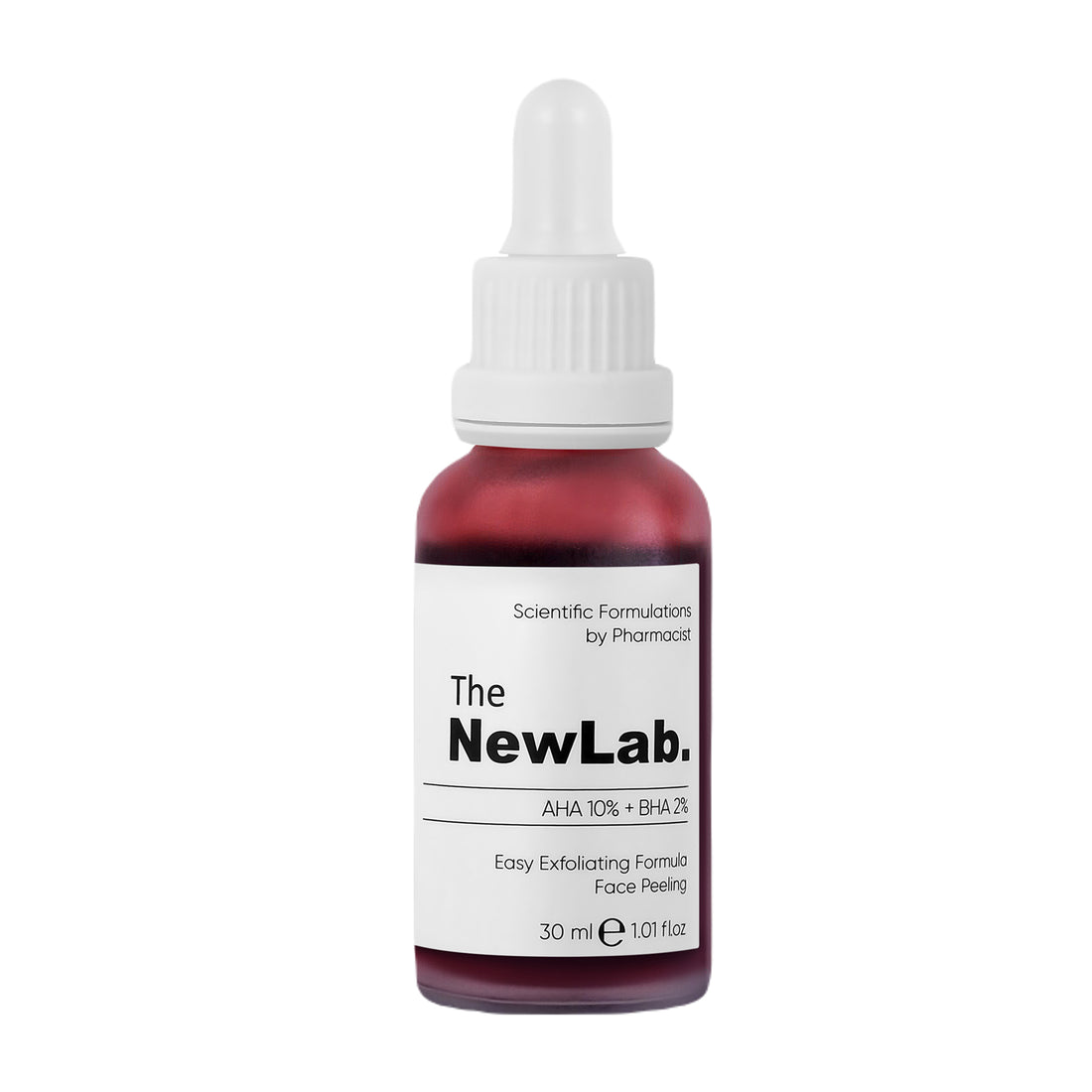
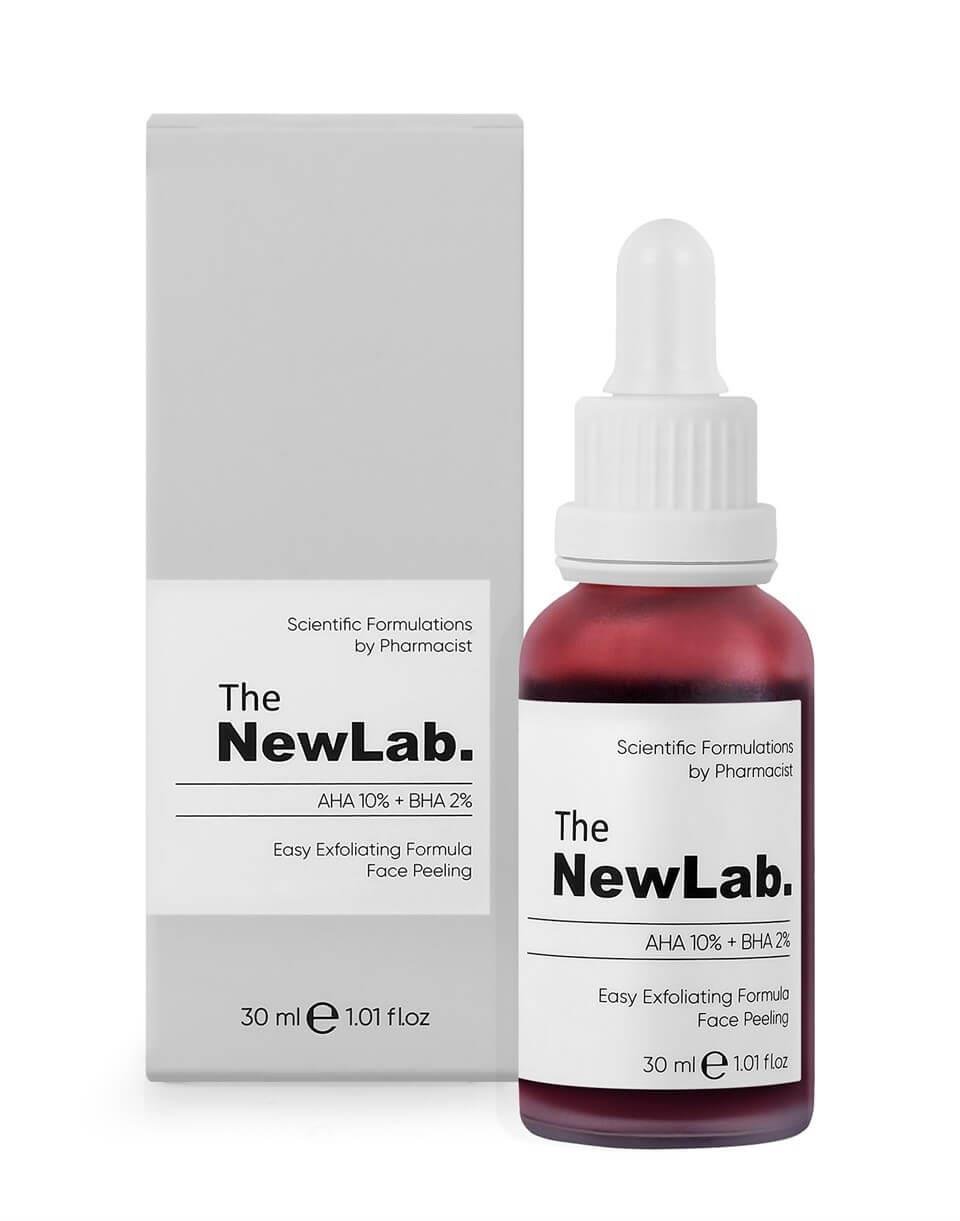 AHA BHA Peeling Face SerumVendor:AHA BHA Peeling Face SerumThe NewLab.
- Regular price
-
454.94TL - Regular price
-
699.90TL - Sale price
-
454.94TL
Quick view
Facial peeling is the most powerful rejuvenating step in a skincare routine. By removing dead cells that accumulate on the skin surface, it reveals the fresh and bright skin underneath, prevents pore clogging, and significantly increases the absorption of subsequent skincare products (serum, moisturizer). Regular peeling evens out skin tone, reduces the appearance of fine lines, and smoothes the skin.
The skin's natural renewal cycle is 28 days on average. As we age and due to environmental factors, this cycle can extend to 40-50 days. A slowed cycle manifests as dead cell accumulation, dullness, a matte appearance, enlarged pores, and uneven skin tone. Peeling balances this slowing effect, bringing the skin closer to the renewal capacity it had during youth.
However, peeling is a care category that must be understood correctly. Selecting the wrong formula, overuse, or insufficient protection after peeling can weaken the skin barrier, leading to irritation and sensitivity. The NewLab. facial peeling and skin rejuvenating products offer exfoliation solutions that every skin type can safely use, featuring scientifically proven actives such as mandelic acid, AHA, BHA, and papain enzyme.
Types of Peeling and Their Differences
There are three main types of peeling in skincare, each working through a different mechanism. To make the right choice, one needs to know these differences.
Mechanical (physical) peelings remove dead cells by scrubbing the skin surface with the particles or granules they contain. Ingredients like sugar, salt, micro-granules, or rice powder are used. The effect is immediate and superficial, but because physical friction is applied to the skin, it creates a risk of micro-tears and irritation in sensitive skin. It is less preferred in modern skincare.
Chemical peelings work with acid-based active ingredients such as AHA (alpha hydroxy acid) and BHA (beta hydroxy acid). They allow dead cells to shed gently by dissolving the bonds between skin cells. They are much more controlled and effective than mechanical peelings. Glycolic acid, mandelic acid, and lactic acid are members of the AHA family; salicylic acid is the most well-known BHA.
Enzymatic peelings use natural enzymes such as papain (papaya) and bromelain (pineapple). These enzymes break down only dead cells and do not harm living cells. They are a gentle alternative to chemical peeling for sensitive, dry, and reactive skin. They are generally produced in powder or gel form.
The NewLab. facial peeling collection includes dual-action formulas containing both chemical and enzymatic peelings. This combination offers a wide range of actives in a single product, acting on different skin layers.
AHA, BHA, Mandelic Acid, and Papain: Active Ingredients and Their Effects
Understanding active ingredients when choosing a peeling product is the key to achieving the right results. Each active addresses a different skin issue.
Glycolic Acid (AHA): Derived from sugar cane, it is the member of the AHA family with the smallest molecular size. Thanks to its small molecular structure, it penetrates the skin deeply and quickly; this means both a powerful effect and a risk of irritation. It is preferred for normal and oily skin to even out skin tone, remove dullness, and reduce the appearance of fine lines.
Mandelic Acid (AHA): Derived from bitter almond extract, this AHA is the largest-molecule and gentlest member of its family. Its large molecule works slowly on the skin surface, which minimizes the risk of irritation. It is much safer than glycolic acid for sensitive skin, darker skin tones, and acne-prone skin. It also provides anti-acne effects through its antibacterial properties.
Salicylic Acid (BHA): With its oil-soluble property, it is the only active that can penetrate into the pores. It is the most effective solution for oily skin, acne, blackhead problems, and blockages caused by sebum accumulation. It also calms inflamed pimples with its anti-inflammatory effect.
Succinic Acid: It is a recently discovered but rapidly popularizing active. In addition to its anti-acne and antibacterial properties, it reduces the redness of pimples with its soothing effect. It balances sebum production.
Tartaric Acid (AHA): Derived from grapes, this acid has properties that balance skin pH. It increases the effectiveness of other actives and provides antioxidant protection.
Papain Enzyme: A natural proteolytic enzyme derived from papaya fruit. It breaks down the layer of dead cells composed of keratin without touching living cells. It is a gentle alternative to chemical peeling for sensitive skin.
Which Peeling Is Right for Your Skin?
The right choice of peeling should be made according to skin type and skin needs.
For oily and acne-prone skin: Peelings containing BHA (salicylic acid) are at the forefront. They penetrate deep into the pores to clear blockages and balance sebum production. An AHA+BHA combination also yields very effective results.
For dry and sensitive skin: Mandelic acid or enzyme-based peelings should be preferred. These actives provide gentle exfoliation without damaging the barrier. They should be used at a low frequency (once a week).
For blemished skin: AHA (especially glycolic and mandelic acid) reduces the appearance of blemishes by removing pigmented cells on the top layer of the skin. In this skin type, peeling enhances anti-blemish care by increasing the absorption of alpha arbutin and vitamin C serums.
For mature skin: Regular exfoliation is important as cell renewal slows down. AHA-based peelings support collagen production and reduce the appearance of fine lines.
For combination skin: An AHA+BHA combination is the most suitable choice. While AHA removes dullness on the cheeks, BHA clears pore blockages in the T-zone.
For lifeless skin: Regular AHA peeling provides instant vibrancy by removing the dull top layer.
The NewLab. Facial Peeling Products
Purifying and Rejuvenating Enzyme Powder Peeling
Purifying and Rejuvenating Enzyme Powder Peeling is a powder-form skin rejuvenating product where four powerful actives come together: mandelic acid, succinic acid, tartaric acid, and papain enzyme. The greatest advantage of the powder formula is that the actives in it are made available at full effectiveness by being activated with water. Enzymes, which lose their activity over time in liquid formulations, remain stable in powder form throughout their shelf life and perform at full capacity with every application.
While mandelic acid provides gentle exfoliation, succinic acid reduces acne risk with its antibacterial effect, tartaric acid balances skin pH to increase the effectiveness of other actives, and papain enzyme offers enzymatic renewal. The synergy of these four actives protects the barrier while renewing the skin. It is used 1-2 times a week in the evening routine for all skin types, including sensitive skin. The powder formula is mixed with water in the palm to create foam and applied to the damp face in circular motions; it is then rinsed with plenty of water.
AHA BHA Peeling Facial Serum
AHA BHA Peeling Facial Serum is a serum-consistency skin rejuvenating product formulated for those looking for a stronger chemical peel. AHA removes dead cells on the skin surface to eliminate a dull appearance and even out skin tone, while BHA penetrates deep into the pores to clear blockages and prevent sebum accumulation. This combination offers pore care and anti-acne effects in a single product for oily and combination skin.
The serum formula is easily incorporated into the nighttime skincare routine. It is applied to dry skin after cleansing, left for a while to penetrate the skin, and the routine is completed with a moisturizer. Using it 2 times a week in the evening is sufficient; more frequent use may weaken the skin barrier. Since it contains AHA, SPF 50+ sunscreen must be used after application.
How to Add Peeling to Your Skincare Routine?
When applied in the right order, peeling multiplies the effect of other products. Incorrect sequencing both reduces the effectiveness of the peeling and exposes the skin to unnecessary irritation.
Peeling Application Steps
1. Cleanse your skin. Peeling is always applied to clean skin. Dirt, makeup, and sebum residues on the skin reduce the effect of the actives. The skin should be gently cleansed with a facial cleanser.
2. Apply the peeling product. If using a powder peeling, mix with water in the palm to create foam and apply to damp skin in circular motions. A serum-form peeling is gently massaged into dry skin with a few drops. Avoid the eye area.
3. Wait and rinse (for powder peelings). The powder peeling is left on the skin for 2-3 minutes, then rinsed with plenty of lukewarm water. Serum peelings are not rinsed; they remain on the skin.
4. Moisturize. The skin should be moisturized after peeling. A hyaluronic acid serum and a cica-infused cream are the ideal combination.
5. Apply sunscreen in the morning. After peeling, the skin becomes sensitive to UV. SPF 50+ protection is essential.
How Often Should It Be Used?
Peeling frequency varies according to skin type and the strength of the product:
Sensitive and dry skin: Once a week (enzyme-based peeling should be preferred).
Normal and combination skin: 1-2 times a week.
Oily and acne-prone skin: 2 times a week (BHA-infused peelings can be preferred).
Mature skin: 1-2 times a week (depending on skin tolerance).
It should never be used every day. Excessive exfoliation weakens the skin barrier, leading to irritation, redness, and paradoxically, more oiliness or pimples.
Skincare After Peeling
For 24-48 hours after peeling, the skin is more sensitive, more permeable, and more susceptible to UV. The products used during this period directly affect the result.
What to do: The hyaluronic acid serum, cica cream, and barrier-strengthening products applied after peeling support the skin's repair process. Products containing niacinamide are also suitable for soothing the skin after peeling. SPF 50+ sunscreen must be used in the morning.
What not to do: On the night peeling is applied, retinol, another AHA/BHA product, high-concentration vitamin C, or an alcohol-based toner should not be used. These combinations severely weaken the skin barrier.
Peeling and Other Actives: A Guide to Using Together
When using peeling, the correct combination of other active products in the skincare routine is of critical importance.
Peeling + Retinol: They should not be used on the same night. The combination of two powerful actives irritates the skin and leads to barrier damage. Alternating use is ideal: peeling on Monday-Thursday, retinol on Tuesday-Friday, for example.
Peeling + Vitamin C: They can be used on the same day but at different times. Vitamin C serum is recommended in the morning, and peeling in the evening. Applying them at the same time reduces the effectiveness of both.
Peeling + Niacinamide: They can be used together. Niacinamide reduces the risk of irritation from peeling and supports the barrier. Applying a niacinamide serum after peeling is an ideal combination.
Peeling + Hyaluronic Acid: A perfect combination. A hyaluronic acid serum applied after peeling quickly restores the skin's moisture balance and provides a plumping effect.
Common Mistakes in Peeling Use
Peeling too often: The misconception that "more peeling = faster results" is the most common mistake. Excessive exfoliation weakens the skin barrier, leading to irritation, redness, and even paradoxically, more oiliness. Depending on the skin type, 1-2 times a week is sufficient.
Not using sunscreen: After peeling, the skin becomes significantly more sensitive to UV. Going out without using sunscreen reverses all the benefits provided by the peeling; the risk of staining and photoaging increases.
Applying peeling to the eye area: The skin around the eyes is much thinner than other parts of the face. Peeling actives can cause irritation, redness, and swelling in this area. Special eye care products should be preferred for the eye area.
Starting with a very strong active: If someone who has not used peeling before starts with a high-concentration glycolic acid, it leads to a load the skin cannot tolerate. Starting with mandelic acid or enzyme-based peelings gently acclimates the skin.
Peeling active pimples: Applying peeling to inflamed skin, open wounds, or during sensitive periods delays healing and increases the risk of infection. A spot treatment should be preferred during these times.
Skipping moisturizer after peeling: Peeling temporarily makes the skin more permeable, which accelerates moisture loss. A rich moisturizer must be applied after peeling.
Frequently Asked Questions
Does peeling thin the skin?
No. Correctly used peeling does not thin the skin; on the contrary, it stimulates collagen production and makes the skin healthier and more resilient over time. The layer removed by peeling consists of dead cells and is part of the skin's natural renewal process. Excessive use can weaken the skin barrier; this is due to misuse, not the nature of peeling itself.
Is peeling suitable for every skin type?
Yes, every skin type can use peeling with the right active and appropriate frequency. For sensitive skin, mandelic acid or enzyme-based peelings are preferred once a week. For oily skin, an AHA+BHA combination can be safely applied twice a week. What matters is choosing the product suitable for the skin type and tolerance.
How long does it take for peeling to show results?
The skin looks smoother and brighter immediately after the first application. However, regular use for 4-6 weeks is required for noticeable results (even skin tone, reduced fine lines, smaller pore appearance). Since the skin's renewal cycle is 28 days, results become clearer when the first full cycle is completed.
Should peeling be applied in the morning or evening?
Peeling is always applied in the evening routine. If applied in the morning, the skin is exposed to UV rays with high sensitivity throughout the day, and the risk of staining increases. With evening application, the skin completes the repair process overnight; the day is started by protecting with sunscreen in the morning.
What skin problems does peeling benefit?
Peeling shows significant effects on uneven skin tone, dullness and a matte appearance, enlarged pores, blackheads, superficial acne scars, fine lines, age spots, post-acne staining, and skin texture smoothness. For actively inflamed pimples, deep wrinkles, or deep stains, dermatological support is required.
What is the difference between mandelic acid and glycolic acid?
Both are in the AHA family, but mandelic acid has a much larger molecule. Thanks to this structure, it penetrates the skin slowly and the risk of irritation is minimal; it is the ideal choice for sensitive and dark-toned skin. Glycolic acid has a small molecule, shows a fast and powerful effect, and provides deeper renewal in tolerant skin.
Can peeling and retinol be used together?
They should not be used together on the same night. Both actives are powerful cell renewers, and their combination severely weakens the skin barrier. Alternating use is recommended: peeling on certain nights of the week, retinol on other nights. This approach provides full benefits from both actives.
Is peeling safe on sensitive skin?
Yes, it is safe with the right product. For sensitive skin, mandelic acid or enzyme-based powder peelings are the ideal choice. These formulas provide gentle exfoliation without damaging the barrier. Strong chemical peelings like glycolic acid and mechanical peelings should be avoided on sensitive skin.
How long should I protect my skin from the sun after a peel?
You should be extra careful against the sun for at least 7 days after a peel. During this period, an SPF 50+ broad-spectrum sunscreen must be used daily and reapplied every 2-3 hours if necessary. Direct sun exposure should be avoided as much as possible.
What is the difference between powder peels and serum peels?
Powder peels are activated with water at the time of use; this ensures that the actives remain stable throughout their shelf life and are delivered at full potency with each application. They typically contain combinations of enzymes and gentle AHAs and are rinsed off. Serum peels are in liquid form, offer ease of use, and are not rinsed; the actives remain on the skin to continue their effect. Both formats cater to different user preferences and needs.
The NewLab. Face Peeling and Skin Resurfacing Products
Face peeling is the most powerful resurfacing step in skincare and is a care category that every skin type can safely benefit from with the right product selection. The NewLab.'s face peeling and skin resurfacing products renew the skin while protecting its barrier using scientifically proven actives such as mandelic acid, AHA+BHA combinations, succinic acid, tartaric acid, and papain enzyme. You can browse our collection above to discover the right peel for smooth, bright, and healthy skin.