
3 products
-
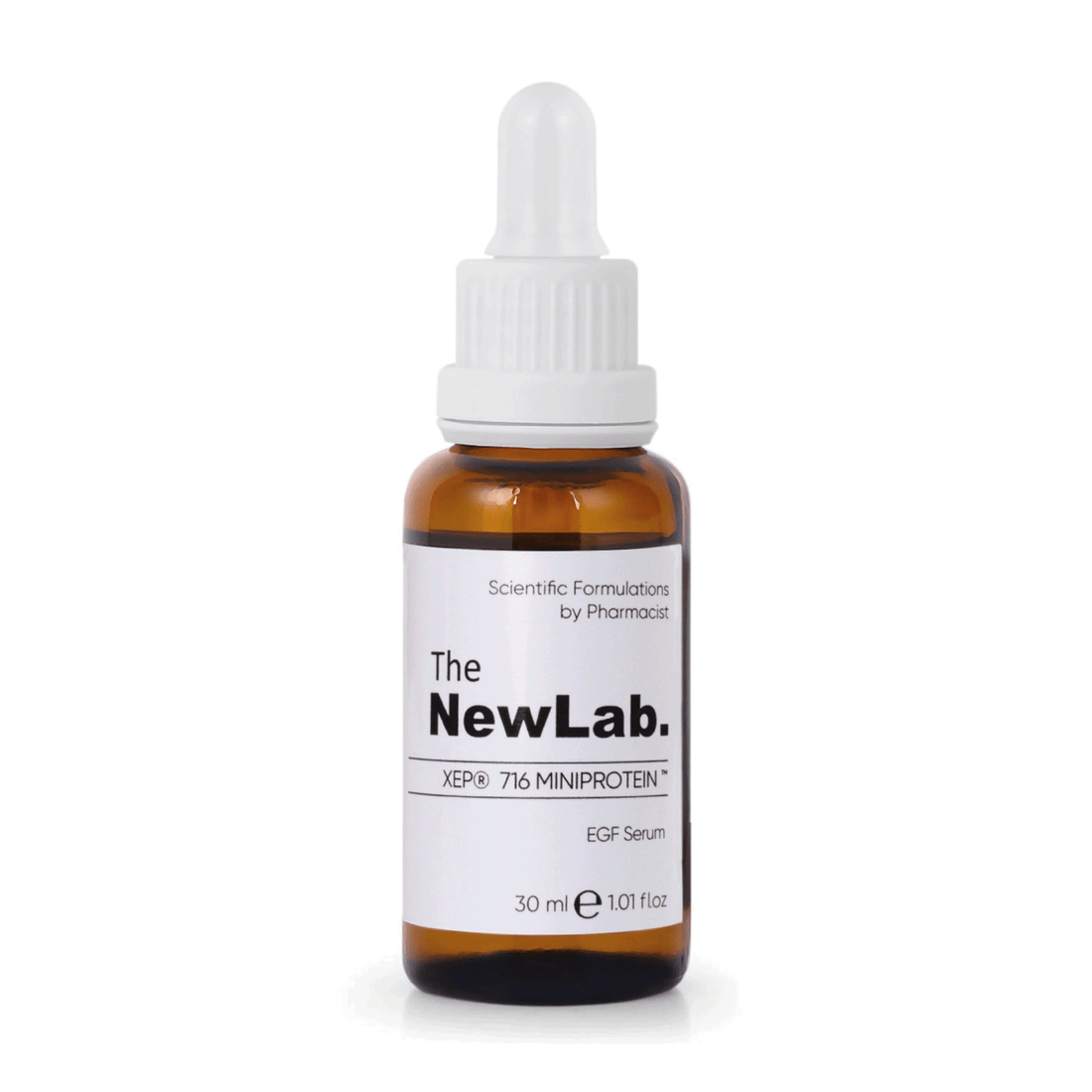
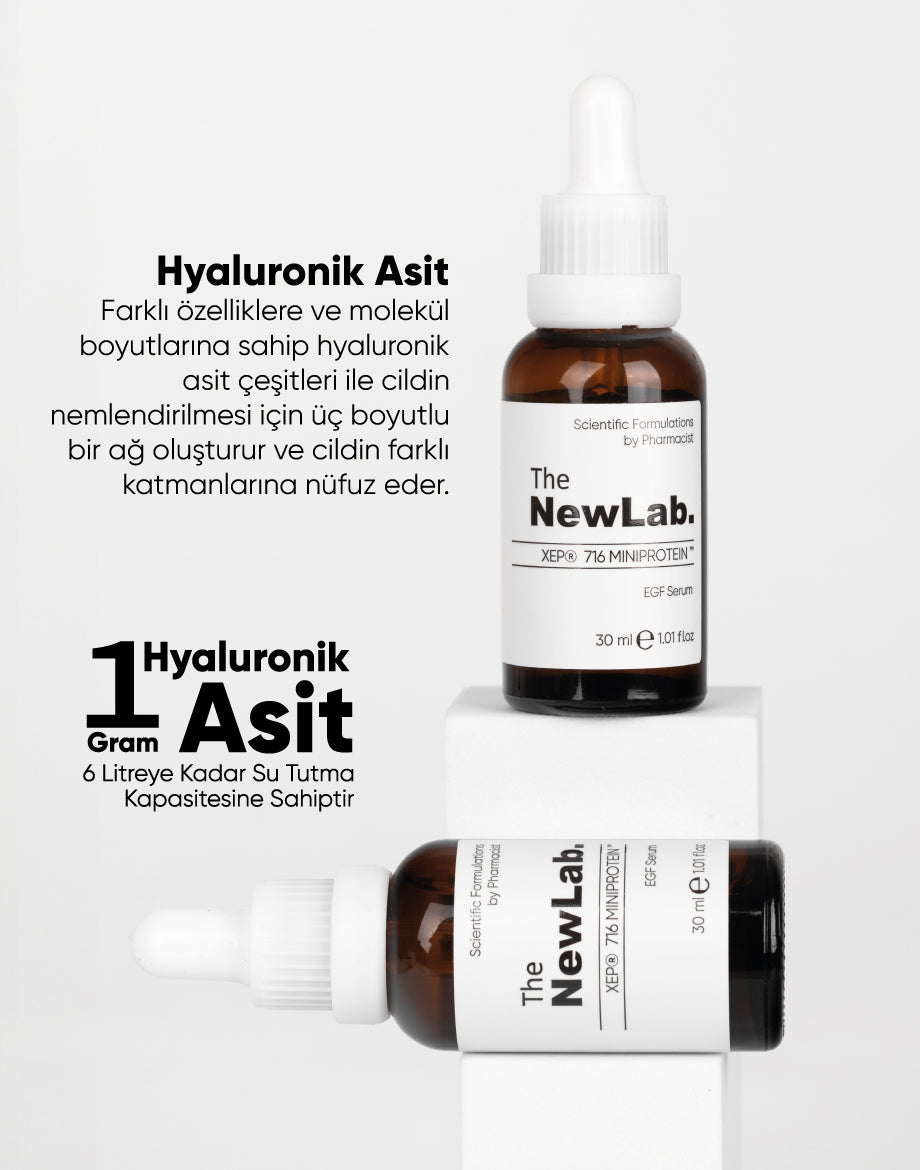 EGF Skin Renewing SerumVendor:EGF Skin Renewing SerumThe NewLab.
- Regular price
-
571.94TL - Regular price
-
879.90TL - Sale price
-
571.94TL
YENİQuick view
-
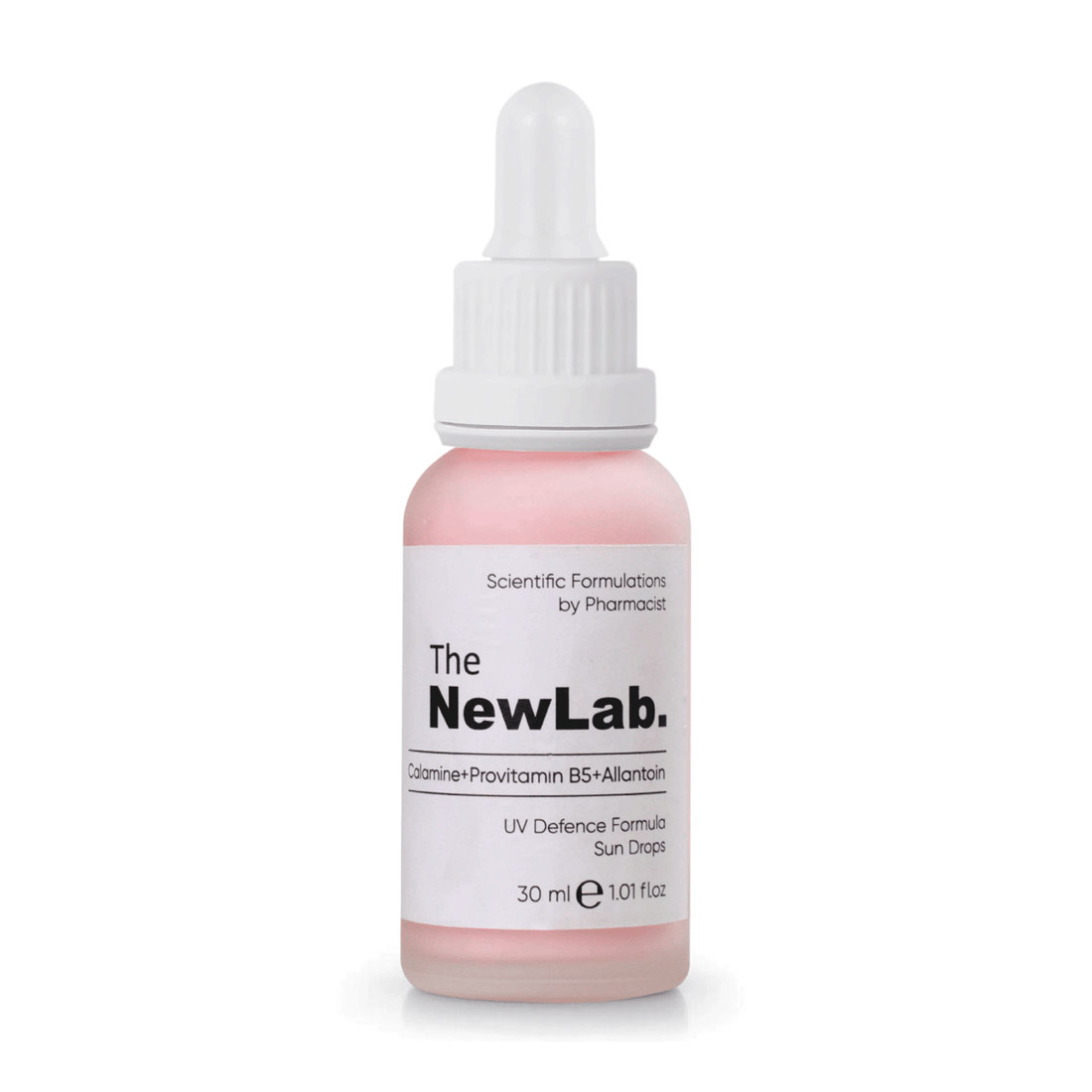
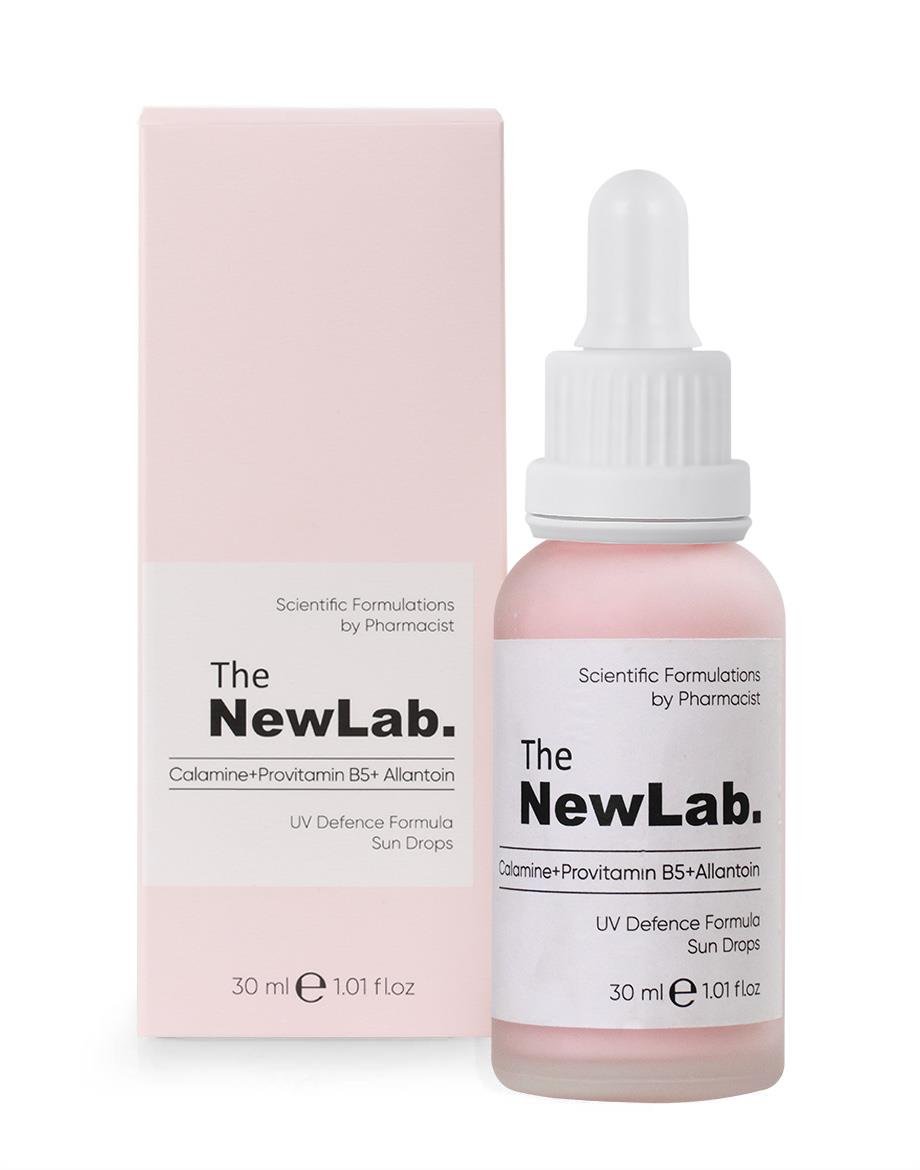 SPF50 Sun Drops SerumVendor:SPF50 Sun Drops SerumThe NewLab.
- Regular price
-
545.94TL - Regular price
-
839.90TL - Sale price
-
545.94TL
YENİQuick view
-
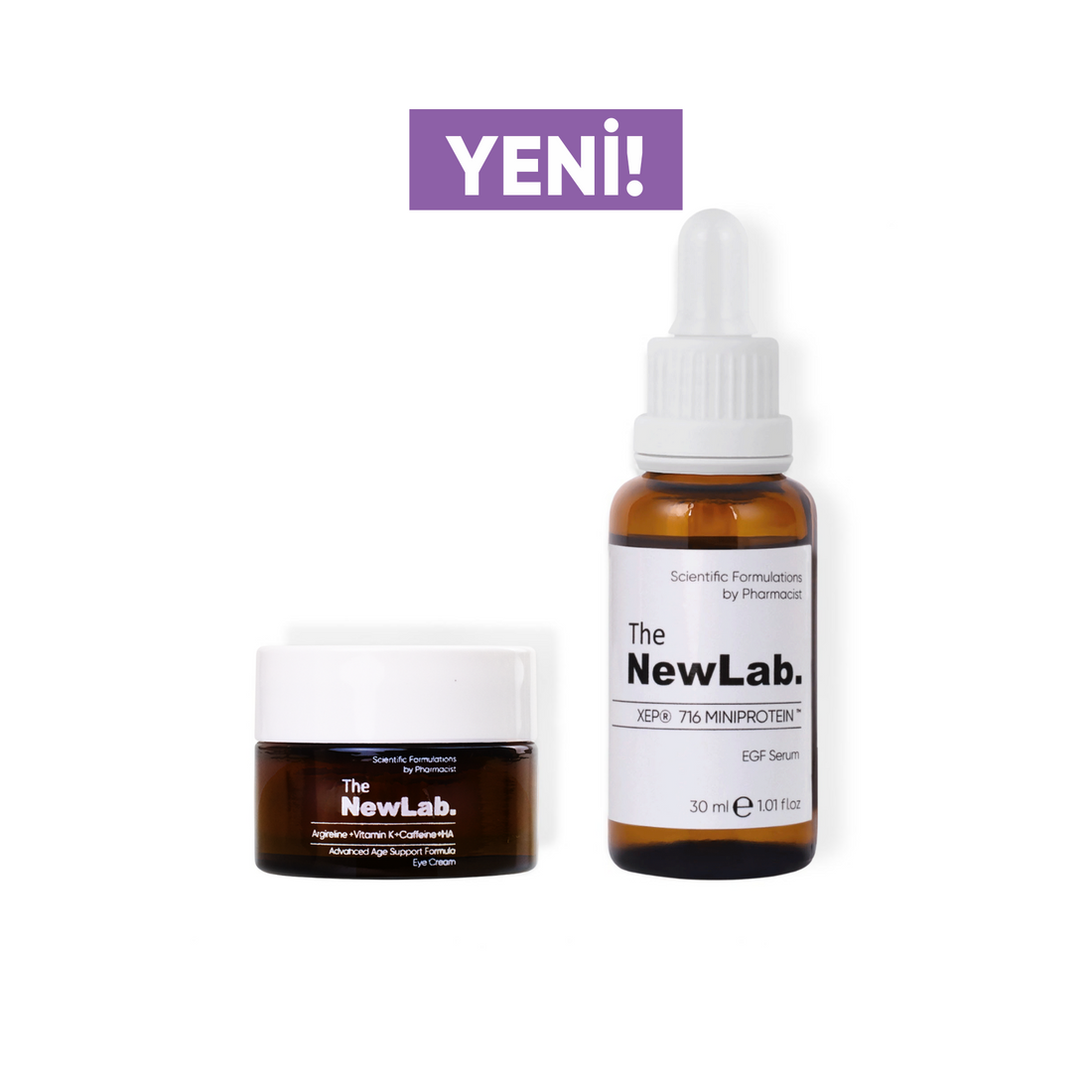
 Renewing and Anti-Aging Skincare SetVendor:Renewing and Anti-Aging Skincare SetThe NewLab.
- Regular price
-
1,234.99TL - Regular price
-
1,899.99TL - Sale price
-
1,234.99TL
Quick view
What is Allantoin and Why is it Used in Skincare?
Allantoin is a safe active ingredient for all skin types that soothes the skin, moisturizes it, and supports the repair of damaged tissues by accelerating cell regeneration. Derived from the roots of the comfrey plant (Symphytum officinale) in nature, as well as plants like aloe vera, chamomile, and lotus, this compound is odorless, non-toxic, and has an extremely low risk of allergic reactions—which is why it is safely used in a wide range of products, from baby care items to anti-aging serums.
The value of allantoin in skincare stems from its possession of multiple mechanisms rather than a single effect. It offers moisturizing, soothing, keratolytic (dissolving dead cells), and cell regeneration-supporting effects all at once. This versatility is what makes it a "silent hero" in formulations—though it may go unnoticed, allantoin is present in the formula of almost every effective skincare product.
First discovered in the 19th century, allantoin has been used for both medical and cosmetic purposes for centuries. Studies published in the International Journal of Toxicology have confirmed that allantoin is a non-toxic and safe ingredient in various cosmetic applications. The fact that it shows an active effect even at low concentrations (0.2-0.5%) makes it valuable in terms of cost-effectiveness as well.
Both are known as moisturizers, but they work through different mechanisms:
Hyaluronic Acid: Moisturizes the skin from the outside by holding 1000 times its weight in water. It provides a plumping effect and reduces the appearance of fine lines. It ensures that moisture remains in the skin.
Allantoin: Increases the skin's own water-retention capacity and facilitates moisture absorption by gently dissolving dead cells. It also provides soothing, repairing, and cell-regenerating effects—additional functions not offered by hyaluronic acid.
When used together, they create a powerful synergy: hyaluronic acid attracts moisture, while allantoin increases the skin's capacity to absorb this moisture and strengthens the barrier.
The NewLab Skincare Products Containing Allantoin
The NewLab offers solutions for different skin needs by using allantoin in its skin renewal, sun protection, and anti-aging skincare formulations. In every product, allantoin is formulated together with complementary actives that enhance its effect.
EGF Skin Renewal Serum
Standing out in skin renewal and anti-aging care, this serum stimulates cell regeneration with EGF (Epidermal Growth Factor), while Allantoin supports this renewal process by soothing and moisturizing the skin. Sodium PCA and Urea mimic the skin's Natural Moisturizing Factors (NMF), providing deep and long-lasting hydration. Sodium Hyaluronate transports moisture to the lower layers of the skin. With just 2-4 drops, it reduces the appearance of fine lines, brightens skin tone, and makes the skin feel firmer. Apply to cleansed skin in your morning and evening routine.
Active Ingredients: EGF, Sodium PCA, Allantoin, Urea, Hyaluronic Acid, Fructose, Trehalose
Sun Protective SPF50 Sun Drops Serum
Offering broad-spectrum UVA and UVB protection, this sunscreen serum is enriched with actives that nourish the skin while providing protection. Allantoin soothes skin irritation caused by the sun and supports the repair process after UV damage. Calamine alleviates redness and balances sebum. Panthenol (Provitamin B5) deeply moisturizes the skin and strengthens the barrier. Sodium Hyaluronate keeps the skin hydrated all day long. With its non-whitening, lightweight, serum-based texture, it can be easily used under makeup.
Active Ingredients: Panthenol, Calamine, Fructose, Urea, Sodium PCA, Allantoin, Sodium Hyaluronate
Renewing and Anti-Aging Skincare Set
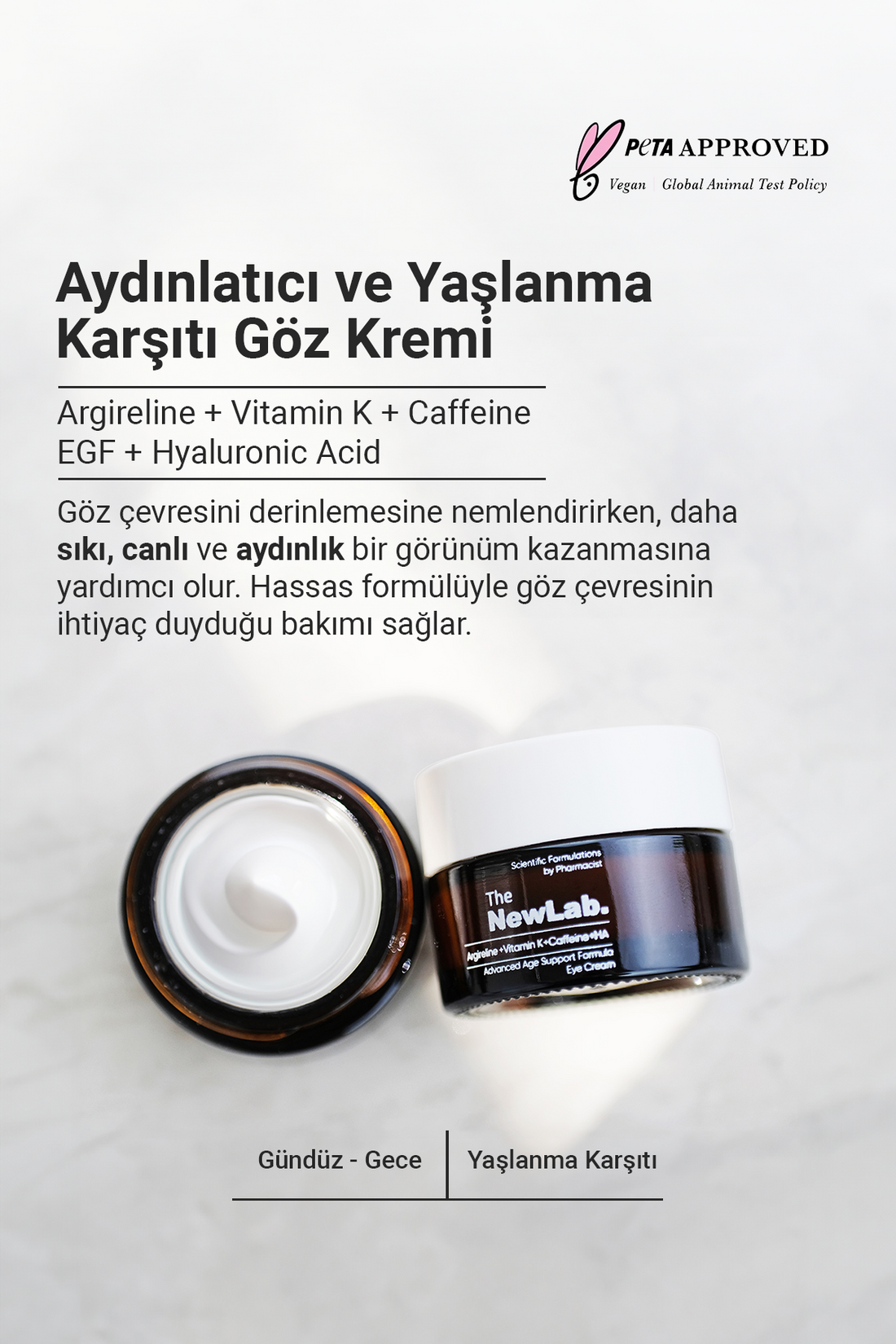
Offering the EGF Skin Renewal Serum and the Brightening and Anti-Aging Eye Cream together, this set creates a comprehensive anti-aging routine. While the EGF + Allantoin duo in the serum supports cell renewal across the face, Argireline in the eye cream softens expression lines around the eyes, Caffeine reduces puffiness and dark circles, and Vitamin K brightens the under-eye area by reducing the appearance of dark circles. When used as a set, it provides integrated anti-aging care for both the face and the eye area.
Active Ingredients: EGF, Allantoin, Argireline, Caffeine, Vitamin K, 4D Hyaluronic Acid, Sodium PCA, Urea, Niacinamide
First application: Allantoin-containing products provide an immediate feeling of softness, freshness, and soothing upon application.
1-2 weeks: The skin's moisture balance begins to improve; feelings of dryness and tightness decrease. The skin feels smoother to the touch.
4-6 weeks: As cell renewal accelerates, skin tone appears more even and radiant. A reduction in the appearance of fine lines begins.
8-12 weeks: The full effect of the EGF + Allantoin combination emerges: firmer, more elastic, and younger-looking skin. With regular use, results become permanent.
How Does Allantoin Work? Scientific Mechanism of Action
Allantoin's versatile effect on the skin is based on multiple biological mechanisms:
1. Keratolytic Effect (Gentle Exfoliation): Allantoin gently dissolves dead cells in the stratum corneum, the outermost layer of the skin, and facilitates their shedding. Unlike aggressive chemical exfoliants like AHA and BHA, allantoin performs this process without causing irritation. It shows a keratolytic effect even at a low concentration of 0.2%—a feature that makes it safe for use even on sensitive skin.
2. Cell Proliferation (Renewal Support): Allantoin stimulates the proliferation of epidermal cells, accelerating the formation of new, healthy cells. When fresh cells replace old and damaged ones, the skin looks more vibrant, bright, and smooth. This mechanism forms the basis of allantoin's wound-healing and anti-aging effects.
3. Moisturizing (Hydration Enhancement): Allantoin provides hydration by increasing the skin's water-retention capacity. It supports the skin in moisturizing from within by increasing the water content of cells in the stratum corneum. Unlike other moisturizers, it acts through both chemical and physical mechanisms—it removes the dead cell barrier, allowing the lower layers to absorb moisture better.
4. Anti-Inflammatory Effect (Soothing): Allantoin reduces inflammation in the skin, alleviating redness, itching, and irritation. It demonstrates a soothing effect on redness caused by sunburn, wind burn, sensitivity after hair removal, or cosmetic procedures. Because of this feature, it is also widely used in baby care products and aftershave lotions.
5. Antioxidant Effect: Allantoin provides protection against oxidative stress by reducing free radical activity in the skin. Free radical damage caused by UV rays, air pollution, and environmental factors is one of the primary causes of premature skin aging—allantoin limits this damage, slowing down the aging process.
Benefits of Allantoin for the Skin
Deep and Long-Lasting Hydration: Allantoin provides moisture from within by increasing the skin's water-retention capacity. It eliminates the feeling of dryness in dry, tight, and flake-prone skin. When used with hyaluronic acid, it creates a dual-layered moisturizing effect.
Accelerating Skin Renewal: It speeds up the skin's natural renewal cycle by stimulating epidermal cell proliferation. Producing new cells faster makes the skin look fresher, more vibrant, and younger. When combined with EGF (Epidermal Growth Factor), this renewal effect is multiplied.
Relieving Irritation and Redness: Thanks to its anti-inflammatory effect, it relieves redness, itching, and irritation in the skin. It provides rapid relief after sun exposure, hair removal, peeling, or shaving. It poses no risk of irritation even with daily use on sensitive skin.
Delaying Signs of Aging: Thanks to its cell renewal support and antioxidant effect, it reduces the appearance of fine lines and wrinkles. It helps maintain skin elasticity. When used with Argireline and Multi Peptide, its anti-aging effect is strengthened.
Strengthening the Skin Barrier: It increases resistance against external factors (cold, wind, pollution, UV) by protecting the skin's hydrolipidic layer. Skin with a strengthened barrier function experiences less moisture loss and becomes more resilient to environmental stress factors.
Supporting Wound and Scar Healing: Allantoin accelerates the healing process of minor wounds, scratches, and acne scars. It clears necrotic (dead) tissue, paving the way for the formation of healthy new tissue. It reduces the appearance of post-acne redness and scars over time.
Evening Skin Tone: By gently removing dead cells and supporting cell renewal, it ensures that skin tone appears more homogeneous. As a supporting active for blemishes and color unevenness, it can be used alongside alpha arbutin and vitamin C.
Which Skin Types is Allantoin Suitable For?
All skin types: One of the biggest advantages of allantoin is its non-toxic, non-irritating, and non-allergenic structure. Therefore, it can be safely used on all sensitive, dry, oily, combination, normal, and mature skin types.
Sensitive skin: This is the skin type that benefits most from allantoin. Thanks to its anti-inflammatory and soothing effect, it reduces the tendency for redness, itching, and irritation in sensitive skin. It is gentle enough to be safely used even in baby products.
Dry skin: It prevents dryness and flaking by increasing the skin's water-retention capacity. It allows moisturizing products to be absorbed better by gently removing dead cells.
Mature skin: It helps delay signs of aging with its cell renewal support and antioxidant effect. When used with EGF, it creates a powerful anti-aging synergy.
Treated skin: It soothes and speeds up the repair process of skin that has become sensitive after peeling, laser, microdermabrasion, or hair removal. It is an active ingredient frequently preferred in post-cosmetic procedure skincare products.
Acne-prone skin: Its mild keratolytic effect helps prevent pores from clogging. Its anti-inflammatory feature reduces redness in acne lesions. It is non-comedogenic—it does not clog pores.
Best Combinations: Which Actives Can Allantoin Be Used With?
Allantoin + EGF (Epidermal Growth Factor): The gold standard in skin renewal and anti-aging care. While EGF stimulates cell renewal, allantoin supports this process and soothes the skin. This duo is formulated in The NewLab’s EGF Skin Renewal Serum.
Allantoin + Hyaluronic Acid: Dual-layered hydration. While hyaluronic acid attracts moisture, allantoin increases the skin's capacity to absorb and retain this moisture. When used together, the moisturizing effect is much more powerful than when used alone.
Allantoin + Panthenol (Vitamin B5): Soothing and barrier repair. Two soothing actives together form an excellent duo for post-sun, post-procedure, and sensitive skincare. This combination is found in The NewLab’s Sun Drops Serum.
Allantoin + Niacinamide: Barrier strengthening + skin tone evening. While niacinamide strengthens the skin barrier and balances sebum production, allantoin supports this process with its soothing effect.
Allantoin + Argireline: Anti-aging synergy. While Argireline softens expression lines, allantoin supports cell renewal and moisturizes the skin. This duo is offered together in The NewLab’s Anti-Aging Skincare Set.
Allantoin + Retinol: Allantoin soothes the irritation, dryness, and redness that retinol can cause. For those new to retinol use or those with sensitive skin, supporting it with allantoin-containing products minimizes irritation.
Allantoin + Calamine: Dual soothing effect. While calamine reduces redness and inflammation, allantoin accelerates repair. This duo is offered with sun protection in The NewLab Sun Drops Serum.
Allantoin and Snail Mucin: What is the Connection?
One of the key ingredients behind the effect of snail mucin products, which have become popular in recent years, is allantoin. Snails naturally produce a secretion containing allantoin to repair their own shells and regenerate their skin—the repairing and regenerating effect of snail mucin products comes largely from this allantoin content.
However, there is an important distinction: the amount and quality of allantoin in snail mucin cannot be standardized and can vary greatly between products. In contrast, plant-derived (comfrey plant) or synthetic allantoin used in cosmetic formulations is a standardized ingredient with consistent and proven efficacy. The NewLab formulates allantoin in controlled and optimum concentrations to offer consistent results with every use.
Allantoin in Post-Procedure Care: After Peeling, Laser, and Hair Removal
After cosmetic procedures (chemical peeling, laser, microdermabrasion, hair removal, dermaroller), the skin becomes sensitive, red, and prone to irritation. During this period, the skin has three basic needs: soothing, moisturizing, and repair—allantoin is one of the rare actives that meets all three.
After Peeling / Exfoliation: Use an allantoin-containing serum or moisturizer to soothe the skin and repair the barrier after AHA or BHA peeling.
After Sun Exposure: The allantoin + panthenol combination is ideal for soothing the skin and accelerating repair after UV exposure. The NewLab Sun Drops Serum protects the skin with these repairing actives while preventing sun damage.
After Retinol: A serum containing allantoin minimizes irritation during the period of redness and peeling that may occur after retinol use.
Points to Consider
Allergy test: Allantoin is generally an extremely safe and non-allergenic ingredient. However, in individuals with a history of hypersensitivity, it is recommended to perform a test on a small area (behind the ear or inside the forearm) before use.
Eye area: Allantoin can be safely used in products for the eye area—allantoin is formulated into The NewLab’s Anti-Aging Eye Cream. However, avoid direct contact with the eyes when using pure serum forms.
Product order: Products containing allantoin are usually applied after cleansing and before moisturizer. You can increase absorption by applying products in serum form (like EGF Serum) to damp skin.
With sunscreen: Because allantoin renews the skin, new cells can be sensitive to the sun. Therefore, it is recommended to use sunscreen in the morning during the period you are using allantoin-containing products—The NewLab Sun Drops Serum facilitates this step by offering allantoin + SPF50 protection in a single product.
Pregnancy and breastfeeding: Allantoin is considered a safe ingredient during pregnancy and breastfeeding. Thanks to its non-toxic and non-allergenic structure, it can be used comfortably during this period.
Frequently Asked Questions
Can allantoin be used every day?
Yes, allantoin can be safely used every morning and evening. Its non-toxic, non-irritating structure is suitable for daily use. Unlike exfoliants like AHA and BHA, there is no need to limit the frequency of use. It is one of the rare actives that can be a constant part of your skin's daily care routine.
Can allantoin be used on sensitive skin?
Yes, allantoin is one of the most suitable actives for sensitive skin. Thanks to its anti-inflammatory and soothing effect, it reduces redness and irritation in sensitive skin. It is an ingredient gentle enough to be used even in baby care products. The risk of allergic reaction is extremely low.
What does allantoin do?
Allantoin serves five basic functions in skincare: it moisturizes the skin (increases water-retention capacity), soothes (reduces redness and irritation), accelerates cell regeneration, gently dissolves dead cells (keratolytic effect), and strengthens the skin barrier. Thanks to this versatile effect, it is widely used in moisturizing, anti-aging, soothing, and repairing products.
Which actives can be used with allantoin?
Allantoin is compatible with almost all active ingredients, which makes it highly valuable in formulations. It creates powerful synergies, particularly with EGF, hyaluronic acid, panthenol, niacinamide, argireline, retinol, vitamin C, and alpha arbutin. There are no known negative combinations.
Is allantoin good for wrinkles?
Yes, allantoin reduces the appearance of fine lines and wrinkles over time by accelerating cell renewal and increasing the skin's moisture retention capacity. While it is not a powerful anti-aging active on its own, it significantly boosts anti-aging effects when used in combination with actives such as EGF, retinol, argireline, or collagen.
Is allantoin good for acne scars?
Yes, allantoin helps reduce the appearance of redness and marks left after acne. By accelerating cell renewal, it ensures that damaged tissue is replaced by healthy new tissue. Dermatological procedures may be required for deep pitted scars, but the allantoin + alpha arbutin combination is an effective approach for superficial redness and spot-like scars.
Can allantoin be used during pregnancy?
Yes, allantoin is one of the ingredients considered safe during pregnancy and breastfeeding. Its non-toxic and non-allergenic nature allows it to be used comfortably during these periods. Unlike actives such as retinol and high-concentration acids that should be avoided during pregnancy, allantoin can be used without any restrictions.
Is allantoin the same thing as snail extract?
No, it is not the same thing. Snail mucin is a mixture containing many components, including allantoin. Allantoin, on the other hand, is a single, standardized active ingredient. While the amount of allantoin in snail extract can vary between products, the allantoin used in cosmetic formulations is found in consistent and optimized concentrations.
Does allantoin cause sun sensitivity?
Unlike acids such as AHA and BHA, allantoin does not directly cause photosensitization (sun sensitivity). However, because it accelerates cell renewal, newly formed cells may be slightly more sensitive to the sun. Therefore, applying sunscreen in the morning is recommended when using allantoin — but this is a general skincare rule, not a requirement specific to allantoin.