
3 products
-
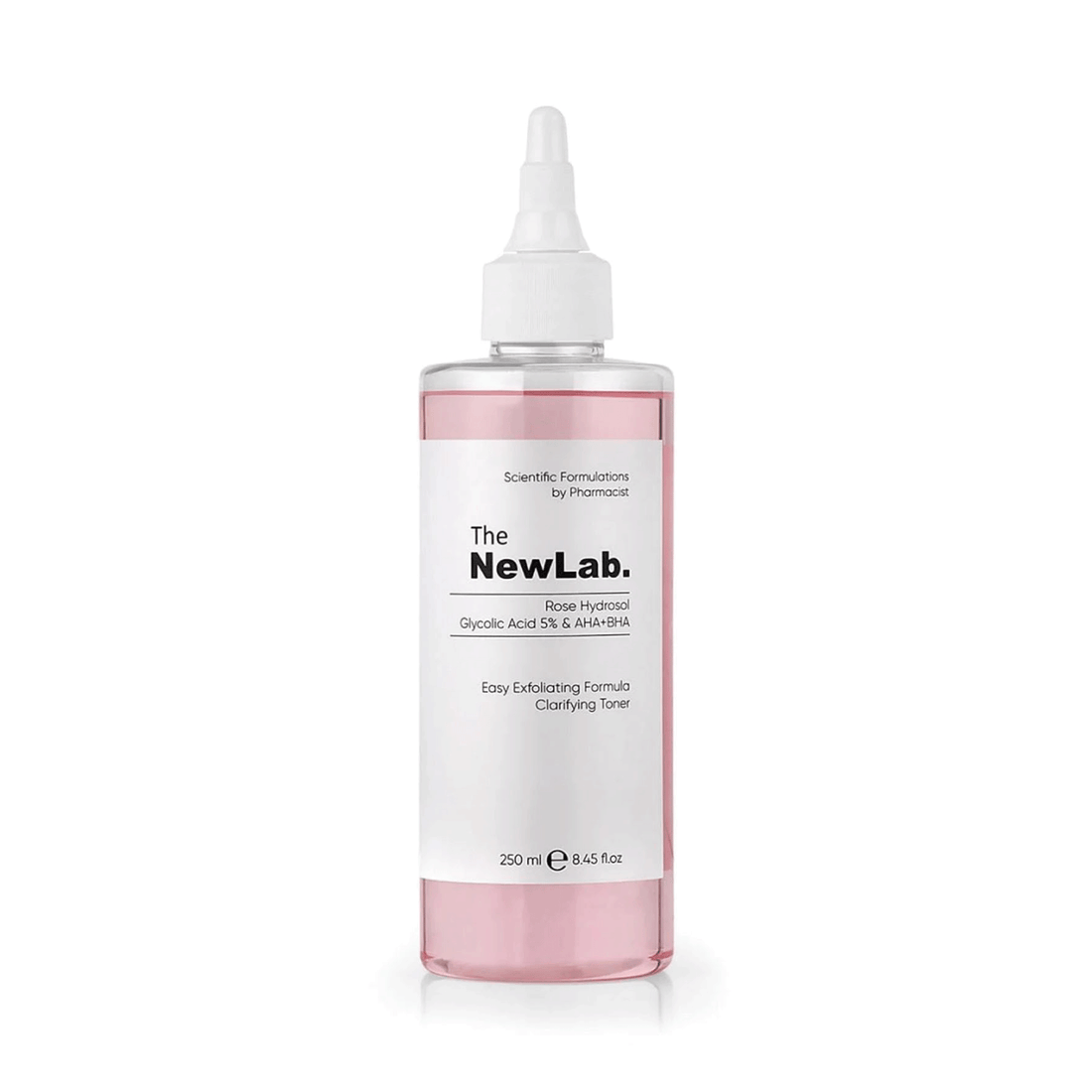
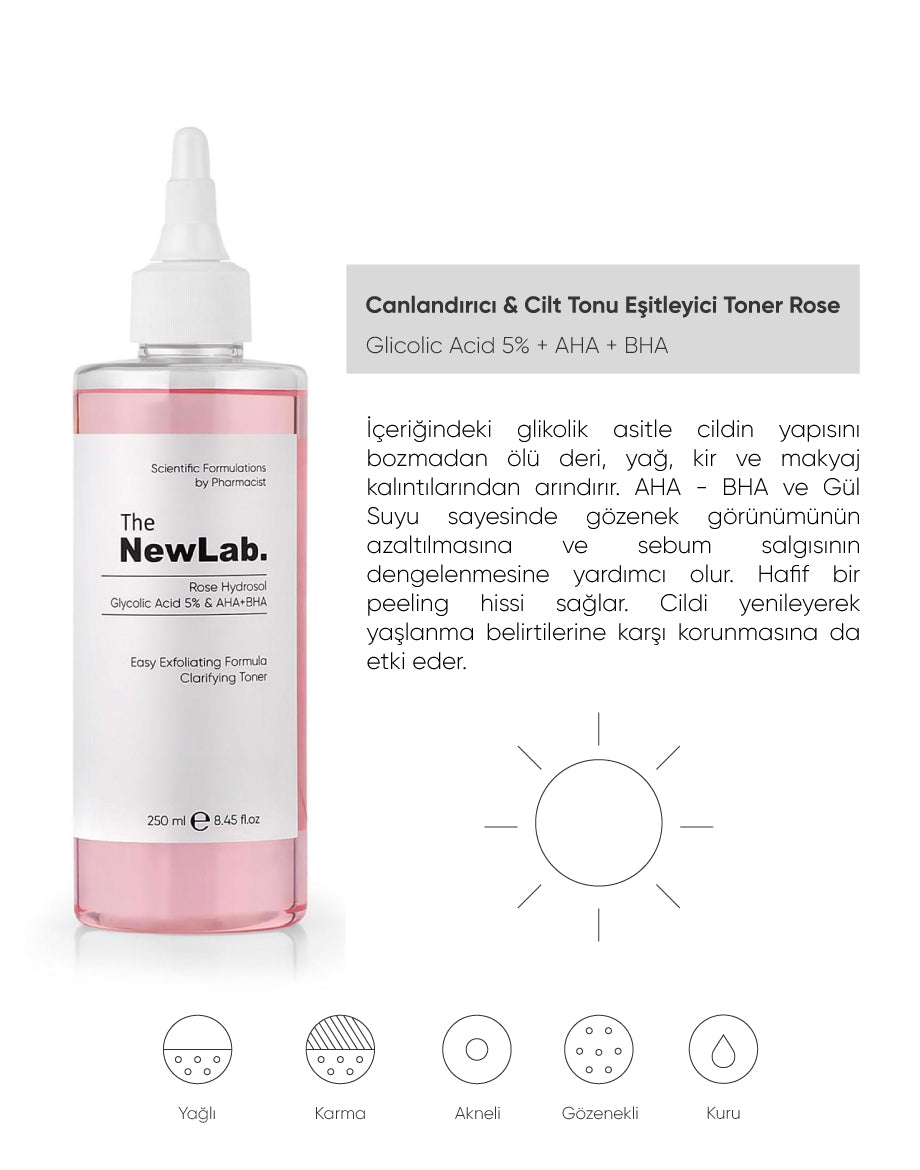 Refreshing & Skin Tone Equalizing Toner Rose Hydrosol Glycolic Acid 5% & AHA+BHA 250 mlVendor:Refreshing & Skin Tone Equalizing Toner Rose Hydrosol Glycolic Acid 5% & AHA+BHA 250 mlThe NewLab.
- Regular price
-
500.44TL - Regular price
-
769.90TL - Sale price
-
500.44TL
Quick view
-
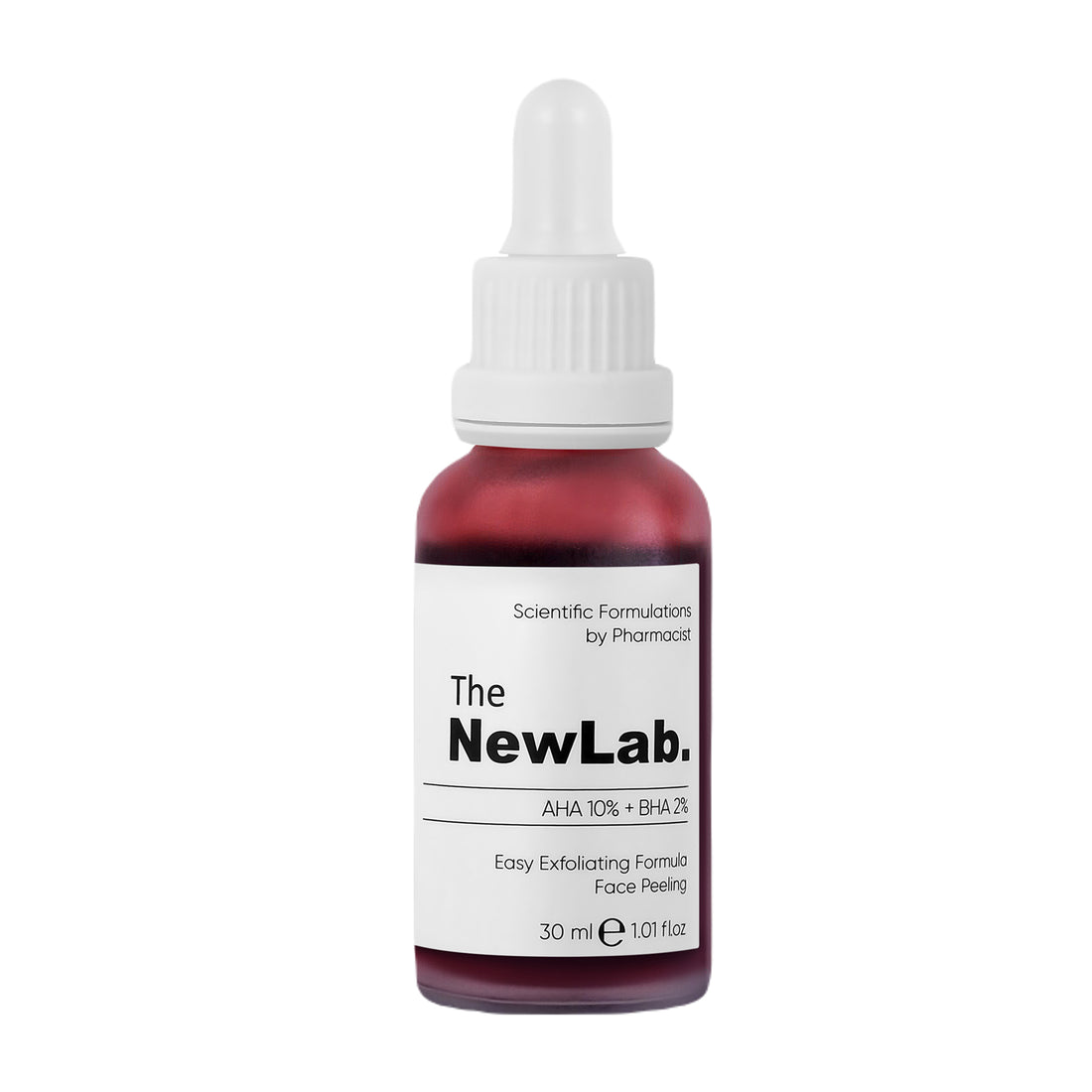
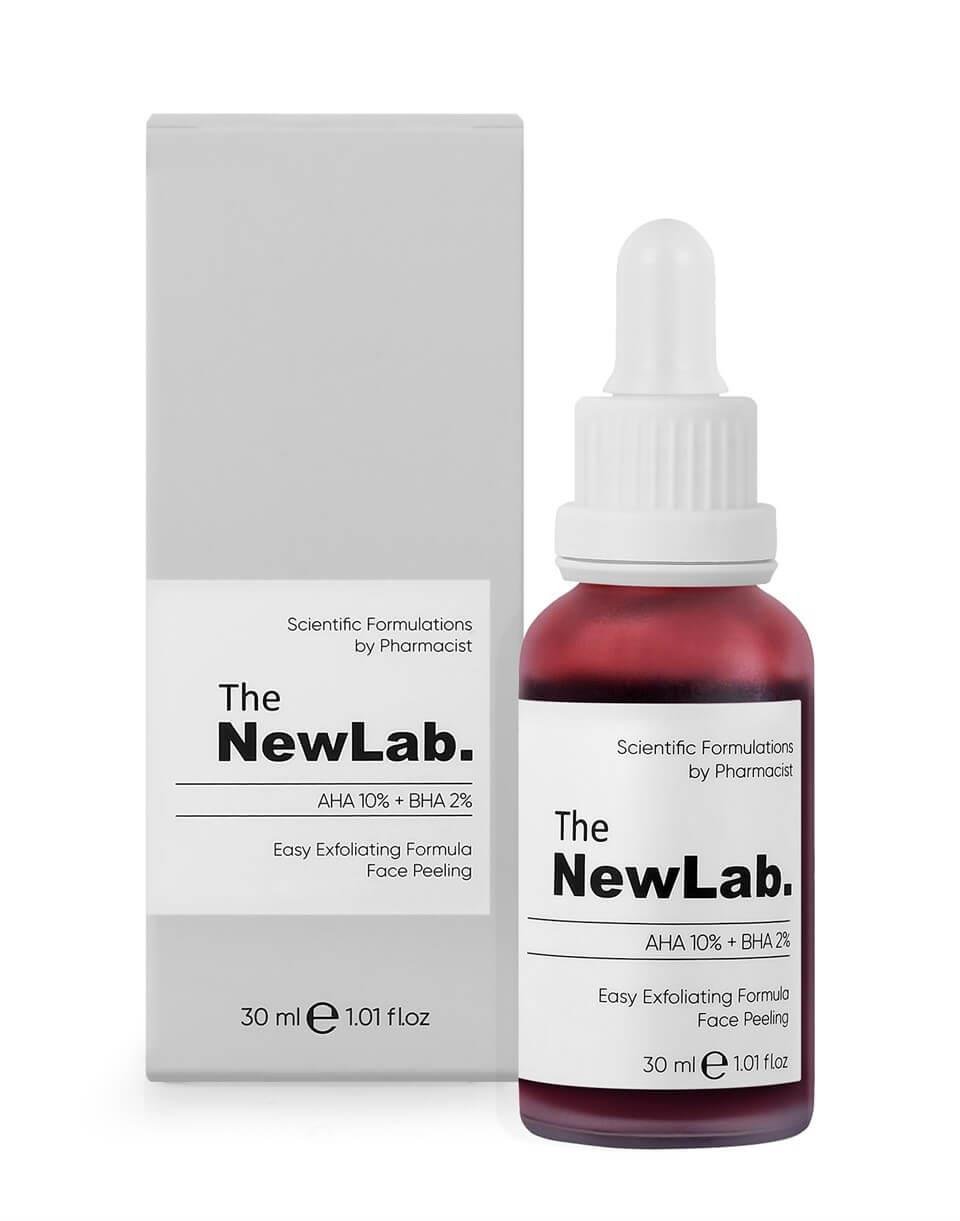 AHA BHA Peeling Face SerumVendor:AHA BHA Peeling Face SerumThe NewLab.
- Regular price
-
454.94TL - Regular price
-
699.90TL - Sale price
-
454.94TL
Quick view
-

 Refreshing & Skin Tone Equalizing Toner Rose Hydrosol Glycolic Acid 5% & AHA+BHA 250 mlVendor:Refreshing & Skin Tone Equalizing Toner Rose Hydrosol Glycolic Acid 5% & AHA+BHA 250 mlThe NewLab.
- Regular price
-
199.99TL - Regular price
-
199.99TL - Sale price
-
199.99TL
Quick view


Why is BHA (Beta Hydroxy Acid) Used in Skincare?
Beta hydroxy acid (BHA) is a powerful active ingredient that stands out from other skin exfoliants due to its oil-soluble structure. Salicylic acid, the most common form of BHA, penetrates deep into the pores to thoroughly clean out sebum, dirt, and dead cell buildup. Thanks to this property, BHA is among the most preferred exfoliants, especially for oily, combination, and acne-prone skin. Skincare products containing BHA are used effectively to combat blackheads, breakouts, enlarged pores, excessive oiliness, and sebum imbalances.
The NewLab's products containing BHA (Beta Hydroxy Acid) are formulated with potent actives like salicylic acid and glycolic acid. With peeling serum and toner options, you can create a comprehensive care routine ranging from pore cleansing to evening out skin tone.
AHA BHA Peeling Face Serum
AHA BHA Peeling Face Serum is a dual-action peeling solution containing 2% beta hydroxy acid (salicylic acid) and alpha hydroxy acids (glycolic acid, lactic acid, tartaric acid). The BHA component penetrates deep into the pores to remove blockages, while the AHA component sheds dead cells from the skin's surface. The formula is also infused with ascorbic acid (vitamin C) and hyaluronic acid to support skin brightening and hydration. It is applied to cleansed skin in the night routine and rinsed off with water after 10 minutes. It is recommended to use it twice a week, with at least 3 days between applications.
Revitalizing & Skin Tone Evening Toner – Glycolic Acid 5% & AHA+BHA
Revitalizing & Skin Tone Evening Toner is a 250 ml toner containing a combination of AHA and BHA along with 5% glycolic acid. Its rose water-based formula soothes the skin, while the BHA component cleans oil deposits in the pores and helps prevent the formation of blackheads. It is applied using a cotton pad in the night routine without the need for rinsing. It reduces the appearance of pores, supports sebum balance, and evens out skin tone.
What Percentage of BHA (Salicylic Acid) Should Be in Skincare?
BHA concentration is a critical factor for the safety and efficacy of a product. For at-home cosmetic use, the concentration of salicylic acid is typically preferred between 0.5% and 2%. This range provides effective pore cleansing while keeping the risk of irritation to a minimum.
0.5% salicylic acid: Suitable for sensitive skin and those new to BHA. A level more appropriate for daily use. 1% salicylic acid: The standard level for normal-combination skin. 2% salicylic acid: The ideal concentration for oily and acne-prone skin. This is generally the highest percentage used in cosmetic products. The NewLab's AHA BHA Peeling Serum contains 2% BHA to provide optimal pore cleansing.
For BHA products to be effective, the pH level must be between 3 and 4. When the pH is in this range, salicylic acid remains in its active form and can penetrate the pores. At higher pH values, the exfoliating effect of BHA is significantly reduced.
Are BHA and Salicylic Acid the Same Thing?
Salicylic acid is the most common and widely researched member of the beta hydroxy acid (BHA) family. Practically speaking, when "BHA" is mentioned in skincare products, it almost always refers to salicylic acid. Derived from willow bark, this ingredient is also the raw material for aspirin. Thanks to its oil-soluble structure, it provides deep cleansing by dissolving the sebum layer inside the pores.
While the BHA family includes derivatives like betaine salicylate, these are used much less frequently in cosmetic products. You can explore BHA products in different concentrations in The NewLab's collection of products containing salicylic acid.
BHA vs AHA: Which One Should Be Chosen?
BHA (beta hydroxy acid) and AHA (alpha hydroxy acid) are the two most popular exfoliants in skincare, but they work through different mechanisms. BHA is oil-soluble and penetrates deep into the pores to clear sebum, dirt, and blockages. AHA, on the other hand, is water-soluble and works on the surface of the skin; it removes dead cells to even out skin tone and provides a bright appearance.
BHA might be the right choice for you if you have oily or combination skin, struggle with blackheads and enlarged pores, have issues with breakouts and acne, or experience sebum imbalance. AHA might be more appropriate if you have dry-normal skin, are dealing with uneven skin tone and a dull complexion, or if fine lines and signs of aging are your priority.
If you need both actives, The NewLab's AHA BHA Peeling Serum offers both exfoliants in a single product. You can also check out our collection of products containing AHA.
BHA vs Niacinamide: A Comparison for Acne and Pore Care
BHA and niacinamide are the two most preferred actives for acne-prone skin, but they work through different mechanisms. BHA (salicylic acid) penetrates inside the pores to physically clear blockages and provide exfoliation. Niacinamide, meanwhile, regulates sebum production to control oiliness, strengthens the skin barrier, and reduces inflammation.
The good news is that BHA and niacinamide can be used together safely and have a complementary effect. While BHA cleans the pores, niacinamide repairs the skin and ensures oil balance. This combination creates a powerful duo for acne care. You can use The NewLab's AHA BHA Peeling Serum and products containing niacinamide in different steps of your routine.
BHA vs Retinol: A Comparison for Pores and Acne
BHA and retinol are both potent actives effective against acne and pore issues. While BHA provides an immediate purifying effect by cleaning pores from the inside, retinol speeds up cell turnover to improve pore structure in the long term and reduce signs of aging.
Using both in the same night routine can increase the risk of irritation. The safest approach is alternative night use: BHA products can be applied 2 nights a week, with retinol products used on other nights. Those using both actives must apply an SPF 50+ sunscreen every morning.
Actives to Use With BHA and Actives to Avoid
Knowing the right combinations is crucial to enhance the effectiveness of BHA-containing products and avoid unwanted side effects.
Actives compatible with BHA: Niacinamide (sebum control and barrier strengthening), hyaluronic acid (hydration support), centella asiatica / cica (soothing and repair), zinc (oil control), and vitamin B5 (barrier repair) can be safely combined with BHA.
Actives to be cautious with when using BHA: Simultaneous use in the same routine with retinol, AHA, and pure vitamin C (ascorbic acid) can excessively irritate the skin. These actives should be applied on alternate nights. When benzoyl peroxide and BHA are used together, they may cause excessive dryness.
Frequently Asked Questions
What does BHA do?
BHA (beta hydroxy acid) is an exfoliant that, with its oil-soluble structure, penetrates the pores to remove sebum, dirt, and dead cell deposits. It reduces blackheads, helps prevent acne formation, shrinks the appearance of pores, and regulates sebum balance on the skin. It also soothes inflamed acne with its mild anti-inflammatory effect.
How many times a week should BHA be used?
The frequency of BHA use depends on the product type and skin tolerance. Intensive formulas like the AHA BHA Peeling Serum should be applied twice a week, with at least 3 days between applications. Low-concentration BHA toners can be used in the daily night routine. Beginners should start with 1-2 times a week to observe the skin's reaction. You can gradually increase the frequency of use as your skin gets accustomed.
Is sunscreen necessary when using BHA?
Yes, using sunscreen is mandatory when using BHA. Although BHA does not create as strong photosensitivity as AHA, it slightly increases the skin's sensitivity to the sun. Furthermore, protecting the skin from UV rays is necessary to take full advantage of BHA's effects in repairing sun damage. A broad-spectrum SPF 50+ sunscreen should be applied every morning.
Can BHA be used on dry skin?
BHA is an active ingredient formulated primarily for oily and combination skin. Using BHA on dry skin can lead to extra dryness and irritation. However, if the dry skin also suffers from blackheads or clogged pores, low-concentration (0.5%) BHA products can be used carefully. In this case, a rich moisturizer and a barrier-strengthening product must be applied after BHA.
Can BHA be used during pregnancy?
High-concentration salicylic acid (oral use or high-dose topical applications) is not recommended during pregnancy. However, topical use of cosmetic BHA products with a concentration of 2% or less is generally considered safe. Still, it is advised to consult your doctor before using any product containing active ingredients during pregnancy and breastfeeding.
How long does it take for BHA to show results?
The pore-cleansing effect of BHA can be felt within the first few uses: the skin gains a cleaner and more matte appearance. 2-4 weeks of regular use are required for a reduction in blackheads, and 6-8 weeks for visible improvement in the appearance of acne and pores. It is important to be patient for up to 12 weeks for sebum balance to settle and for long-term results.
What is the BHA purging period, and is it normal?
A temporary increase in breakouts may occur in the first 2-6 weeks of using BHA. This is called "purging" and is normal. Because BHA brings blockages deep in the pores to the surface, micro-comedones that were already formed but not yet visible quickly surface. Purging usually passes within 4-6 weeks, after which the skin is significantly cleaner. If it lasts longer than 6 weeks or occurs in areas where you do not usually get breakouts, it may be an irritation reaction, and product use should be discontinued.
Which actives should not be used with BHA?
BHA (salicylic acid) should not be used simultaneously in the same routine with retinol, AHA (glycolic acid, lactic acid), and pure vitamin C (L-ascorbic acid). These combinations pose a risk of excessive irritation, redness, and dryness on the skin. These actives may also reduce each other's effectiveness. The safest approach is to use these active ingredients alternatively on different nights.
How long does it take for salicylic acid to help with acne?
Salicylic acid (BHA) begins to reduce the inflammation and redness of existing acne within a few days. 4-6 weeks of regular use are required for a significant decrease in the formation of new acne. The fading of the appearance of acne marks may take 8-12 weeks. Regular and patient application with the AHA BHA Peeling Serum yields the best results.
Is a BHA toner or serum more effective?
A BHA toner is suitable for daily use with a lower concentration and provides mild pore cleansing. A BHA peeling serum, on the other hand, shows a more intensive effect with a 2% concentration and is applied twice a week. While the peeling serum may be more effective for oily and acne-prone skin, a toner may suffice for combination skin. You can create a comprehensive BHA care routine by using both on different days.
Discover The NewLab's products containing BHA to deeply clean your pores and combat acne issues with BHA (beta hydroxy acid / salicylic acid). You can create the most suitable BHA routine for your skin with our anti-acne product collection, pore and blackhead care products, and oily skin care products. Free shipping on all orders.