
1 product
-
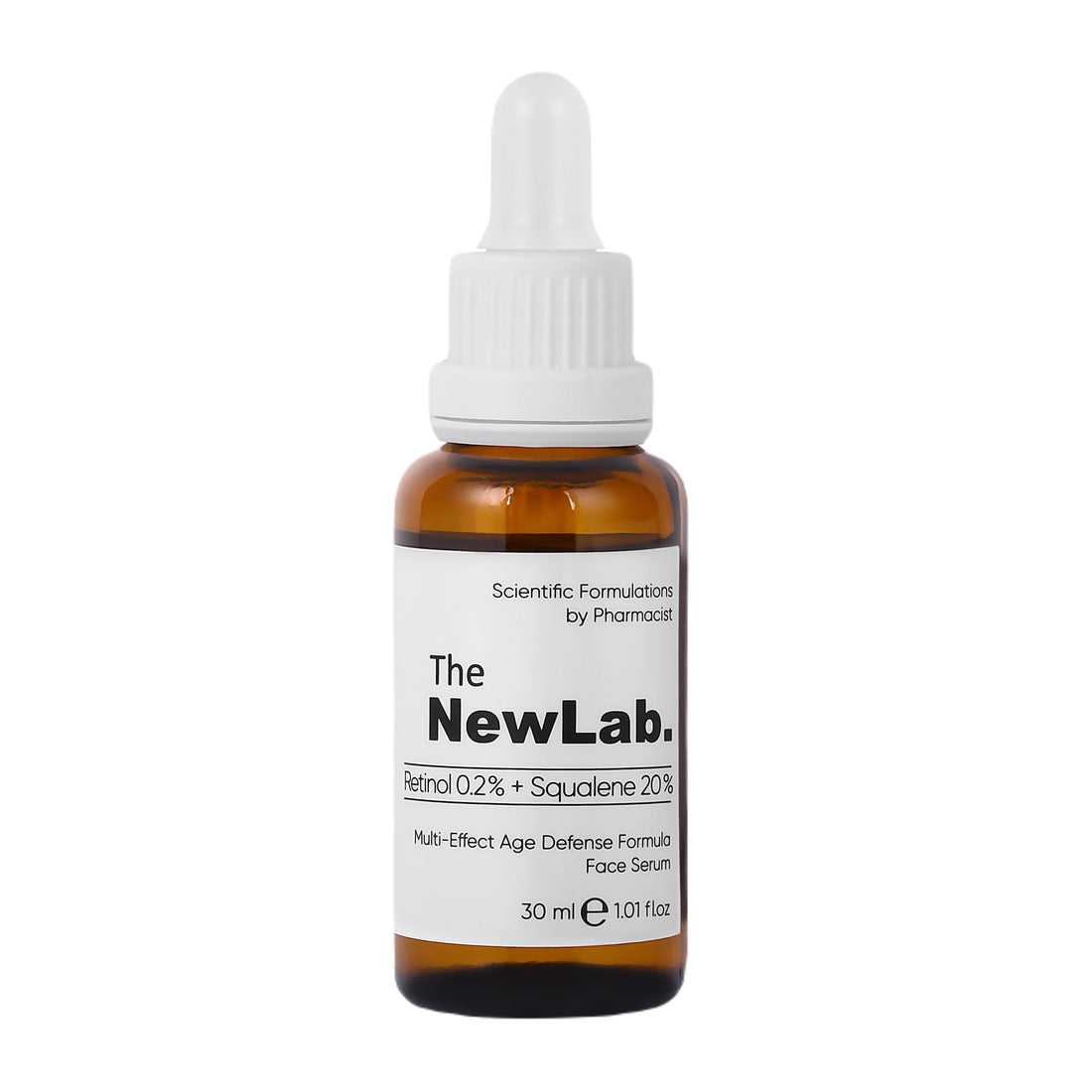
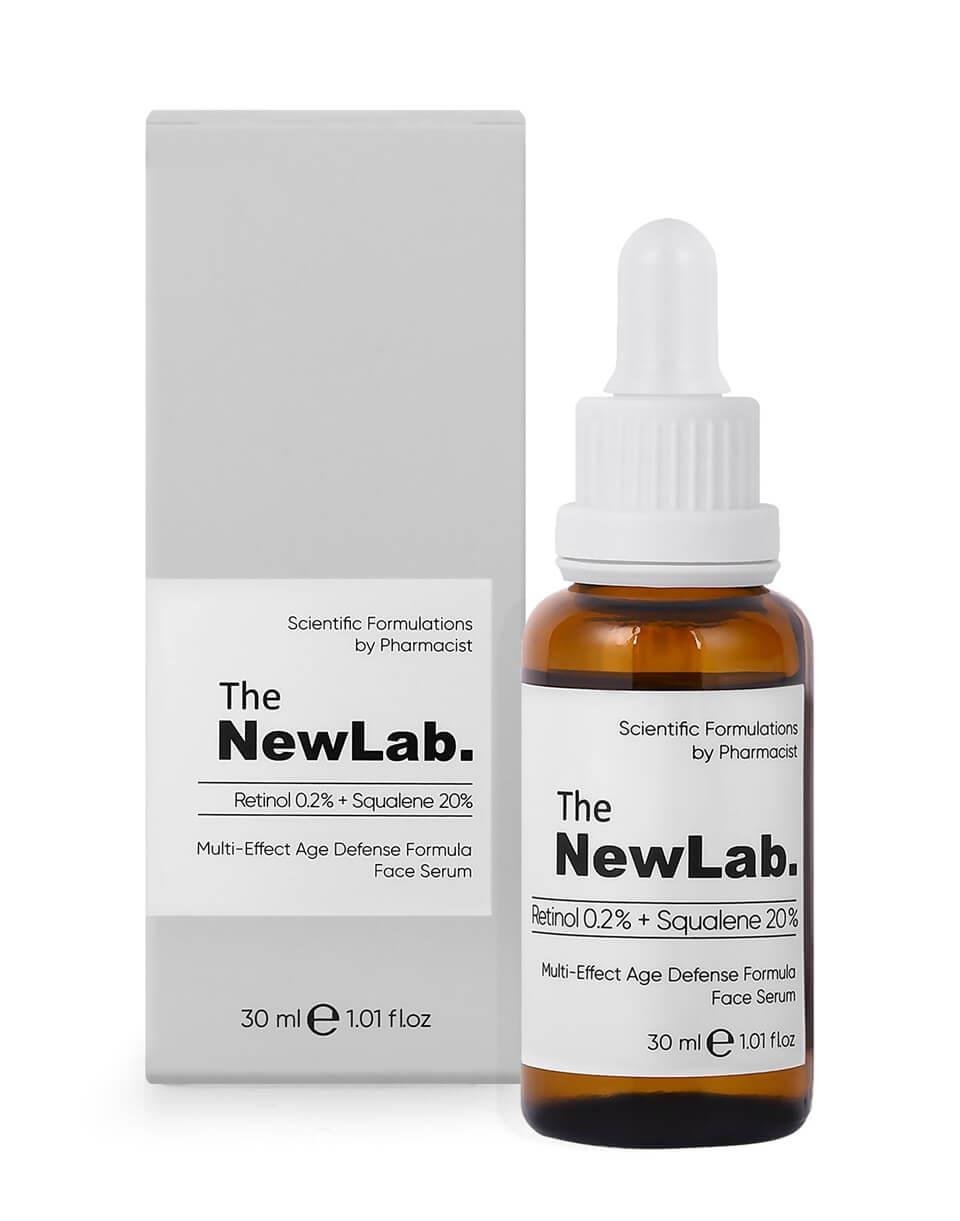 Anti-Aging Face Serum Retinol 0.2% + Squalane 20% 30 mlVendor:Anti-Aging Face Serum Retinol 0.2% + Squalane 20% 30 mlThe NewLab.
- Regular price
-
454.94TL - Regular price
-
699.90TL - Sale price
-
454.94TL
Quick view
What Is Retinol and Why Is It Used in Skincare?
Retinol is the most commonly used and scientifically extensively researched topical form of vitamin A (the retinoid family). It converts to retinoic acid in the skin, increasing cell turnover rate, stimulating collagen synthesis, and regulating melanin production. As the anti-aging active most recommended by dermatologists worldwide, retinol is one of the rare actives capable of providing a solution to many skin concerns, such as fine lines, wrinkles, hyperpigmentation, acne, and enlarged pores, on its own.
Retinol offers a more powerful effect profile than other over-the-counter retinoids (retinyl palmitate, retinyl acetate), yet is milder than prescription retinoids (tretinoin, adapalene). This balance makes retinol the most ideal active for at-home anti-aging care. When used with the correct concentration and formulation, it is the most effective and accessible option for achieving visible results on the skin.
The NewLab Retinol-Containing Skincare Products
The NewLab combines the powerful anti-aging effect of retinol with supportive actives that nourish and protect the skin, offering an ideal formulation for those new to retinol.
Anti-Aging Face Serum — Retinol 0.2% + Squalene 20%
The NewLab's anti-aging serum accelerates cell turnover in the skin with 0.2% Retinol, reduces fine lines and wrinkles, evens out skin tone, and lightens the appearance of dark spots. The 20% Squalene in the formula balances the potential drying effect of retinol, deeply moisturizing the skin and protecting the skin barrier. While Jojoba Oil nourishes the skin without clogging pores, Vitamin E acts as an antioxidant shield and contributes to the stabilization of retinol.
Active Ingredients: Retinol 0.2%, Squalene 20%, Jojoba Oil, Vitamin E
First 2-4 weeks: Skin texture softens, and a slight increase in radiance is felt. Slight peeling and dryness (retinization) may be seen in the first few weeks — this is normal and indicates the skin is adjusting to retinol.
4-8 weeks: A reduction in fine lines, noticeable evening of skin tone, and tightening of pores begin. A decrease in the frequency of breakouts is observed in acne-prone skin.
8-12 weeks: With increased collagen production, plumper, firmer, and younger-looking skin is achieved. Dark spots and sun spots are significantly lightened.
How Does Retinol Work? Scientific Mechanism
The effect of retinol on the skin is based on a three-stage transformation process:
1. Transformation: When applied to the skin, retinol first converts to retinaldehyde (retinal), then to the active form, retinoic acid. This two-stage transformation ensures that retinol acts more slowly but with less irritation compared to tretinoin.
2. Cell Communication: Retinoic acid binds to RAR (Retinoic Acid Receptors) and RXR (Retinoid X Receptors) in the cell nucleus, altering gene expression. Through this, the rate of cell renewal increases, collagen I and collagen III synthesis is stimulated, and MMPs (matrix metalloproteinases — collagen-degrading enzymes) are suppressed.
3. Visible Effect: As cell renewal accelerates, dead, damaged cells on the surface are shed more quickly, and healthier, more even cells emerge from beneath. The increase in collagen provides the skin with plumpness, elasticity, and firmness.
Dermatological studies show that retinol provides visible anti-aging effects even at levels between 0.1-0.3%. The 0.2% ratio offers the best balance between efficacy and tolerability — providing sufficiently powerful results while keeping the risk of severe irritation to a minimum. Transitions to higher concentrations (0.5-1%) can be made after the skin's adjustment period is complete. The 20% Squalene in The NewLab serum further increases tolerance by balancing the potential side effects of retinol.
Benefits of Retinol Serum for the Skin
Wrinkle and Fine Line Reduction: By increasing collagen production and suppressing collagen-degrading MMP enzymes, retinol both reduces existing fine lines and wrinkles and prevents their new formation. Scientific studies have shown that regular retinol use significantly reduces wrinkle depth within 12 weeks.
Skin Tone Evening and Spot Removal: Retinol lightens the appearance of sun spots, acne scars, and hyperpigmentation by regulating melanin production in melanocytes. By accelerating cell renewal, it ensures that pigmented cells are shed more quickly.
Acne and Breakout Control: Retinol normalizes the cell cycle in pores, preventing clogging. By balancing sebum production and reducing inflammation, it fights active breakouts and speeds up the healing of acne scars while preventing new formations.
Pore Tightening: By accelerating cell renewal, it strengthens the skin tissue around pores and makes them appear smaller. It also prevents pore enlargement by stopping the buildup of sebum and dead cells.
Skin Texture Improvement: With regular use, the skin surface becomes smoother, more even, and brighter. The exfoliating effect of retinol provides superficial renewal similar to chemical peels.
Increase in Elasticity and Firmness: It increases the skin's elasticity and firmness by stimulating collagen and elastin production. This effect plays a critical role, especially in compensating for natural collagen loss after age 30.
Retinol vs. Bakuchiol: Which Should You Choose?
Bakuchiol is a plant-based active derived from the Psoralea corylifolia plant, known as a "natural retinol alternative." Although both offer similar anti-aging results, their mechanisms of action and usage profiles differ:
Retinol: The gold-standard anti-aging active that has been scientifically researched for over 50 years and proven effective. It interacts directly with receptors in the cell nucleus by converting into retinoic acid. It provides stronger and faster results, but it can cause dryness, peeling, and sensitivity during the adjustment process. It is used only in the evening and requires sunscreen. It is not used during pregnancy.
Bakuchiol: A newer active with limited research. It stimulates collagen production through its own pathways without converting to retinoic acid. Results come more slowly than with retinol, but the risk of irritation is very low. It can be used morning and evening and does not create sun sensitivity. It is preferred for sensitive skin and during pregnancy.
Which one to choose? If your skin is not sensitive and you want maximum anti-aging effect, retinol is the stronger choice. If you have sensitive skin, are a pregnant or breastfeeding mother, or cannot tolerate retinol, bakuchiol is an excellent alternative. The NewLab's Anti-Aging Sunscreen Stick contains bakuchiol and can be used in your daytime routine.
Retinol vs. Copper Peptide: Anti-Aging Comparison
Both actives are stars of anti-aging care, but they work through different mechanisms:
Retinol: Accelerates cell renewal, increases collagen synthesis, and regulates melanin. Renews skin texture with its exfoliating effect. Requires an adjustment period; side effects may occur initially.
Copper Peptide (GHK-Cu): Activates the skin's own repair mechanisms. Supports the production of collagen, elastin, and glycosaminoglycans. Provides antioxidant and anti-inflammatory effects. Does not require an adjustment period and is suitable for sensitive skin.
Can they be used together? Yes, since they work through different mechanisms, they create a synergistic effect. Most ideal usage: retinol in the evening, copper peptide serum in the morning. However, if you are just starting with retinol, first adjust your skin to retinol, then start adding copper peptide.
Retinol vs. Vitamin C: Which One First?
Retinol and Vitamin C are two super actives of skincare. Both show anti-aging effects but have different strengths:
Retinol: Cell renewal, collagen production, wrinkle reduction, acne control. Used in the evening.
Vitamin C (Ascorbic Acid): Antioxidant protection, brightening, UV damage repair, support for collagen synthesis. Used in the morning.
Should they be used together? It is not recommended to apply them at the same time (in the same routine) — pH differences can reduce efficacy and increase the risk of irritation. The most effective strategy: Vitamin C serum in the morning + retinol serum in the evening. In this way, antioxidant protection is provided during the day and cellular renewal at night.
How to Use Retinol Serum? (Step-by-Step Guide)
1. Cleansing: Wash your face with a gentle cleanser and dry it completely. Retinol is better tolerated when applied to dry skin. Provide gentle cleansing with The NewLab Cleansers.
2. Waiting: Wait for your skin to dry completely after cleansing (2-3 minutes). Applying retinol to damp skin increases absorption, raising the risk of irritation.
3. Serum Application: Take 4-5 drops of Retinol 0.2% + Squalene 20% Serum and spread it gently over your face and neck area. Avoid the eye contour and lip edges.
4. Moisturizer: Apply your moisturizer after the serum is absorbed (1-2 minutes). A moisturizer is critically important to balance the drying effect of retinol.
5. Sunscreen (the next morning): Retinol makes the skin photosensitive. Be sure to apply SPF 30+ sunscreen the next morning. Provide protection with The NewLab's SPF 50 Sun Drops Serum or Anti-Aging Sunscreen Stick.
Week 1: Apply 1 night per week. Observe your skin's reaction.
Week 2-3: Increase to 2 nights per week. If there is no irritation, continue.
Week 4-6: Apply every other night (3-4 nights per week).
After Week 6: If your skin tolerates it, you can move to nightly use.
⚠️ If you feel extreme redness, burning, or pain at any stage, take a break for 2-3 days and return to the previous stage.
Who Is Retinol Suitable For, and Who Is It Not?
Who is retinol suitable for:
Those who want to combat fine lines, wrinkles, and signs of aging. Those with skin tone unevenness, dark spots, or sun spots. Those fighting acne and acne scars. Those experiencing pore enlargement problems. Those who want to perform preventive anti-aging care from their late 20s onwards.
Who is retinol not suitable for:
Pregnant and breastfeeding women (bakuchiol should be preferred). Skin with active eczema, psoriasis, or rosacea flare-ups. Skin with severe sunburn or open wounds. Those who have had chemical peels, laser, or dermabrasion in the last 2 weeks.
Best Combinations: Which Actives Can Retinol Be Used With?
Retinol + Squalene: The golden duo. Squalene keeps the skin moisturized and protected by balancing the drying effect of retinol. This combination is offered as a ready-made product in The NewLab retinol serum (0.2% Retinol + 20% Squalene).
Retinol + Hyaluronic Acid: Anti-aging + deep hydration. The moisture-retaining capacity of hyaluronic acid is added to the cell-renewing effect of retinol. Apply hyaluronic acid serum or moisturizer over the retinol serum.
Retinol + Niacinamide: Anti-aging + barrier strengthening. Niacinamide repairs potential barrier damage caused by retinol and increases its effect of evening out skin tone. It can be used seamlessly in the same evening routine.
Retinol + Copper Peptide: Comprehensive anti-aging. Supports collagen production through different mechanisms. Using copper peptide in the morning and retinol in the evening is recommended.
Retinol + Caffeine: Eye contour care. Retinol face serum + caffeine eye contour serum together create a comprehensive night routine.
Actives Not to Be Used with Retinol
Retinol + AHA/BHA (at the same time): If AHA and BHA acids are applied on the same night as retinol, there is a risk of excessive exfoliation and irritation. Solution: use retinol and acids on different nights (e.g., Monday-Wednesday-Friday retinol, Tuesday-Thursday AHA/BHA).
Retinol + Benzoyl Peroxide: Benzoyl peroxide oxidizes retinol, rendering it ineffective. Both should not be applied at the same time.
Retinol + Pure Vitamin C (at the same time): pH incompatibility can reduce efficacy. Using Vitamin C in the morning and retinol in the evening is the safest strategy.
Points to Consider
Retinization (adjustment process) is normal: Mild peeling, dryness, redness, and sensitivity may be experienced in the first 2-6 weeks. This is a sign that retinol is working and will recede as the skin adapts. Use plenty of moisturizer during this process and reduce the frequency of retinol.
Purging vs. Breakout: By accelerating cell renewal in the first weeks, retinol may cause micro-comedones in the lower layers to surface — this is called "purging." Purging usually recedes within 4-6 weeks, and your skin becomes clearer. If it continues after 6 weeks or appears in areas where you did not previously have acne, it may be a breakout — discontinue use and consult a specialist.
Sunscreen is mandatory: Retinol increases the skin's photosensitivity. Use at least SPF 30 sunscreen during every period you use retinol — even on cloudy days.
Use only in the evening: Retinol breaks down in sunlight and loses its effectiveness. Always apply it in your evening routine.
Avoid the eye contour and lip edges: The skin in these areas is thinner and more sensitive. Retinol can cause excessive irritation there.
Storage: Retinol is sensitive to light and heat. Store in its opaque bottle in a cool, dark place. Consume within 6-12 months after opening.
Frequently Asked Questions
At what age should retinol serum be started?
There is no exact age limit to start using retinol. If there are specific problems such as acne, blemishes, or tone unevenness, retinol can be used from your 20s. For preventive anti-aging use, the general recommendation is to start in the 25-30 age range — because the skin's natural collagen production begins to decrease by about 1% each year from age 25.
How long should retinol serum be used?
Retinol is an active that should be used long-term, not short-term. The first visible results are seen within 8-12 weeks, but the effect of collagen production and wrinkle reduction is a process that continues for months. Think of retinol as continuous use over years for the best results. When you stop using retinol, it is possible for the gained effects to return over time.
How long does retinol purging last?
Retinol purging usually lasts 4-6 weeks. This period is directly related to your skin's natural cell cycle. During the purging process, new pimples, blackheads, or small bumps may surface — this shows that retinol is clearing out blockages in the lower layers by accelerating them. If the situation does not improve after 6 weeks, we recommend consulting a dermatologist.
Can retinol be used during pregnancy?
No. Retinol and all retinoid derivatives should not be used during pregnancy and breastfeeding periods. Vitamin A derivatives are known to have teratogenic (potential to cause birth defects) effects in high doses. Safe alternatives such as bakuchiol, Vitamin C, or niacinamide should be preferred for anti-aging care during pregnancy.
Can retinol be used on oily and acne-prone skin?
Definitely yes. Retinol is quite beneficial for oily and acne-prone skin. It prevents clogging by normalizing the cell cycle in pores, helps balance sebum production, and accelerates the healing of acne scars. The squalene in The NewLab's serum provides moisturization without clogging pores thanks to its non-comedogenic structure.
Can retinol be used on dry skin?
Yes, but caution should be exercised. Retinol may initially increase dryness. It is recommended for dry skin types to adjust to retinol more slowly (starting with 1 night per week) and to use plenty of moisturizer. The 20% Squalane in The NewLab serum significantly balances the drying effect of retinol, increasing tolerance in dry skin.
Can I use AHA/BHA together with retinol?
You can use them on different nights, not the same night. When retinol and acids (AHA/BHA) are applied at the same time, there is a risk of excessive exfoliation and irritation. The recommended strategy: dedicate specific nights to retinol and other nights to acids (e.g., Monday-Wednesday-Friday retinol, Tuesday-Thursday AHA/BHA). When using both active groups, be sure to apply sunscreen in the morning.
Can retinol and niacinamide be used together?
Yes, they are an excellent duo. It was once said that they should not be used together due to pH incompatibility, but current research shows that this combination is safe and beneficial. Niacinamide increases retinol tolerance by reducing the irritation and barrier damage that retinol may cause. In the same evening routine: you can apply the retinol serum first, followed by the niacinamide serum.
Can I use vitamin C in the morning and retinol in the evening?
This is one of the combinations most recommended by dermatologists. While vitamin C serum provides antioxidant protection and brightening in the morning, retinol serum supports cell renewal and collagen production in the evening. This regimen offers comprehensive anti-aging care by creating a day-long protection + night-time repair strategy.
How long does it take for retinol to work?
Retinol is an active that requires patience. Softening in skin texture is felt within 2-4 weeks. Significant improvement in fine lines and skin tone takes 8-12 weeks. Visible results in deep wrinkles and noticeable hyperpigmentation appear within 3-6 months. Consistency is the most important factor—regular use, even if only a few nights a week, is much more effective than irregular use.