
3 products
-
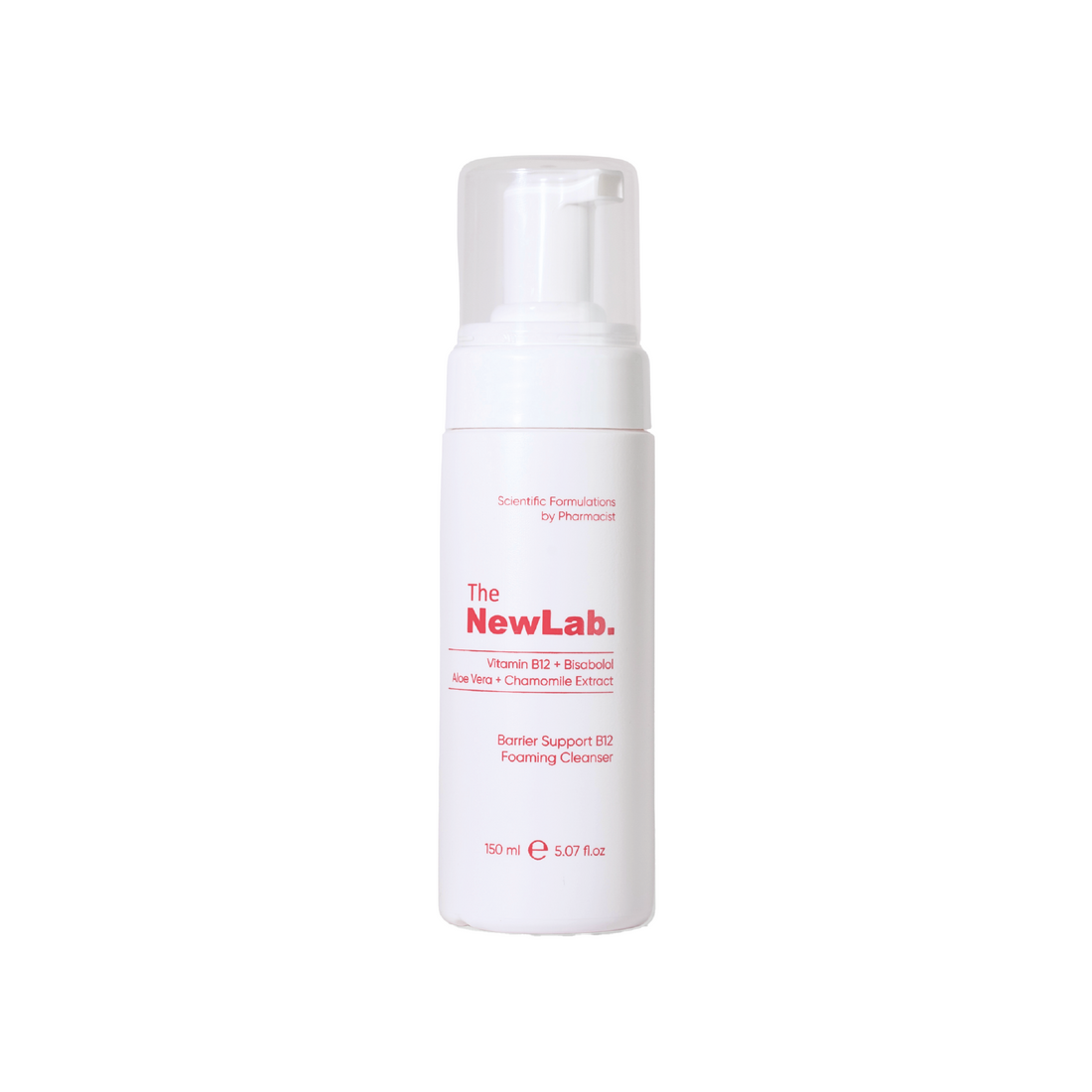
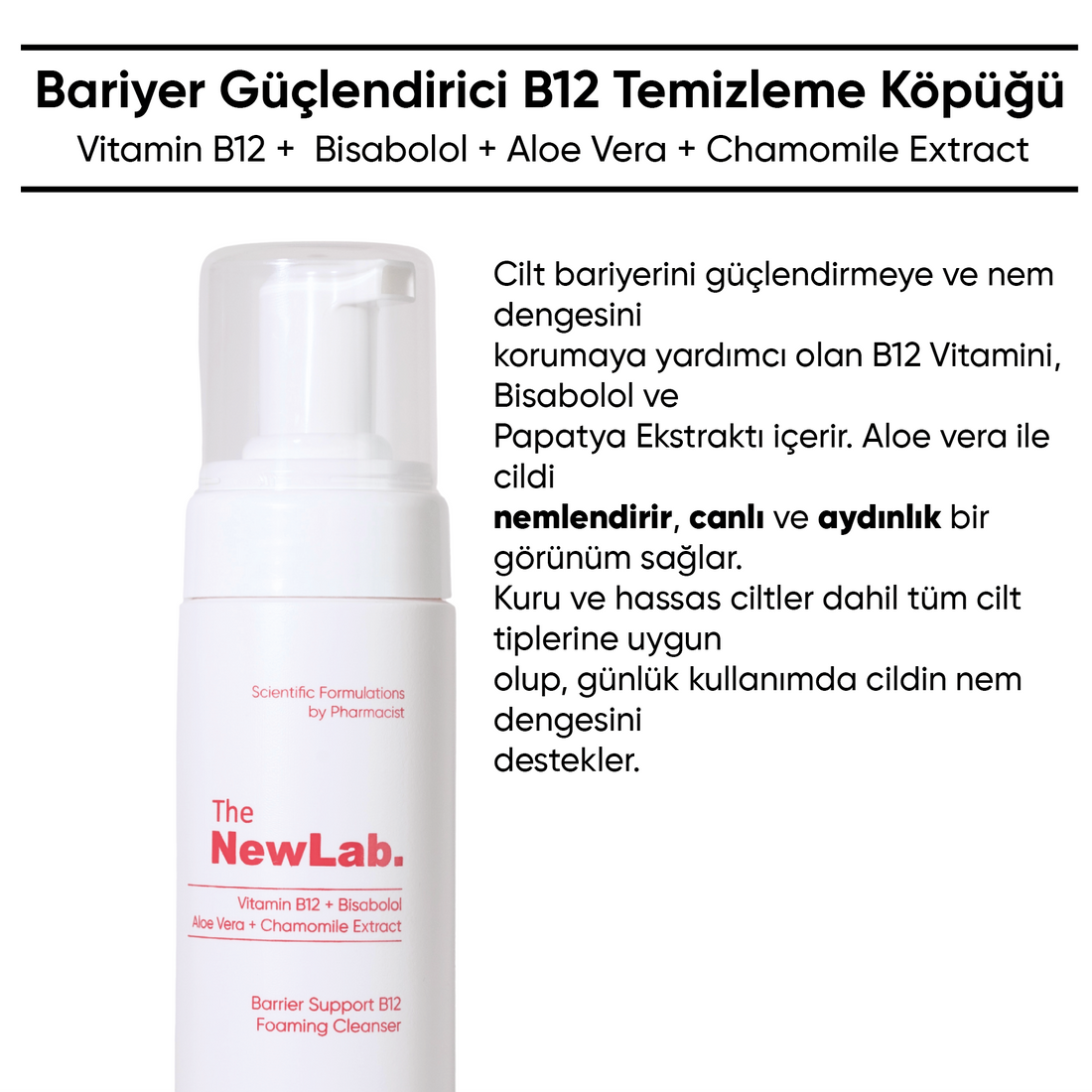 Barrier Strengthening B12 Cleansing FoamVendor:Barrier Strengthening B12 Cleansing FoamThe NewLab.
- Regular price
-
584.94TL - Regular price
-
899.90TL - Sale price
-
584.94TL
YENİQuick view
-
 Anti-Acne & Sebum Control Purifying Toner 200 mlVendor:Anti-Acne & Sebum Control Purifying Toner 200 mlThe NewLab.
- Regular price
-
500.44TL - Regular price
-
769.90TL - Sale price
-
500.44TL
Quick view
-

 Anti-Acne & Sebum Control Purifying Toner 200 mlVendor:Anti-Acne & Sebum Control Purifying Toner 200 mlThe NewLab.
- Regular price
-
229.99TL - Regular price
-
229.99TL - Sale price
-
229.99TL
Quick view


What is Aloe Vera and Why Is It So Valuable in Skincare?
Aloe vera is one of the most potent herbal actives used in skincare for centuries, known for soothing the skin, moisturizing, and accelerating the repair process. The gel inside the fleshy leaves of the Aloe barbadensis miller plant contains over 200 bioactive components: vitamins A, C, and E, vitamin B12, folic acid, minerals (zinc, magnesium, calcium), enzymes, amino acids, and polysaccharides. This rich content makes aloe vera not just a moisturizer, but a multi-functional active that supports the overall health of the skin.
The use of aloe vera in skincare dates back to Ancient Egypt—it is known to have been one of the fundamental ingredients in Cleopatra's beauty rituals. Today, thanks to its efficacy supported by dermatological research, it is formulated into a wide range of products, from serums and sunscreens to toners and cleansers. It is one of the rare botanical actives that offers antibacterial, anti-inflammatory, and antioxidant properties all at once.
Both are powerful moisturizers, but they work through different mechanisms:
Hyaluronic Acid: Plumps the skin and softens fine lines by holding 1000 times its weight in water. It is a pure humectant—it attracts and retains moisture.
Aloe Vera: Beyond moisturizing, it soothes the skin, repairs it, provides antibacterial protection, and offers mild exfoliation. It offers the trio of hydration + soothing + repair on its own.
Use them together for the most powerful results: while hyaluronic acid attracts moisture, aloe vera locks this moisture into the skin and strengthens the barrier.
The NewLab Aloe Vera Skincare Products
The NewLab utilizes aloe vera in its acne control and skin purifying formulas alongside other powerful actives to provide effective solutions for oily, combination, and acne-prone skin.
Anti-Acne & Sebum Control Purifying Toner 200 ml
This toner combines the soothing and moisturizing power of Aloe Vera with anti-acne actives. Aloe Barbadensis Leaf Juice, which forms the foundation of the formula, soothes the skin after cleansing while controlling acne formation with its antibacterial effect. Salicylic acid deeply cleanses pores and removes dead cells. Niacinamide strengthens the skin barrier and balances sebum production. Zinc PCA absorbs excess oil, keeping the skin matte and balanced. Apply with a cotton pad after cleansing, morning and evening.
Active Ingredients: Aloe Vera, Salicylic Acid, Niacinamide, Zinc PCA
Anti-Acne & Sebum Control Face Cleanser 200 ml
This cleanser strengthens the first and most critical step of skincare—cleansing—with the soothing effect of aloe vera, purifying the skin without drying it out, unlike aggressive cleansers. Aloe Barbadensis Leaf Juice Powder soothes the skin and prevents irritation that may occur during cleansing. Salicylic acid (BHA) penetrates deep into the pores, dissolving accumulated oil and dirt. Niacinamide maintains sebum balance and evens out skin tone. Panthenol and Licorice Root Extract (Glycyrrhiza glabra) provide additional soothing and brightening support. Suitable for morning and evening use with its foaming texture.
Active Ingredients: Salicylic Acid, Niacinamide, Aloe Vera, Panthenol, Licorice Root Extract, Botanical Acids
Use the two products together for the most effective results:
Step 1 (Cleanser): Wash your skin by lathering the Anti-Acne Face Cleanser—salicylic acid penetrates deep into the pores, while aloe vera soothes.
Step 2 (Toner): Apply the Purifying Toner with a cotton pad—the aloe vera + zinc PCA duo provides dual oil control, and niacinamide strengthens the barrier.
This two-step routine deeply purifies the skin while balancing it without drying. Follow with serum and sunscreen.
How Does Aloe Vera Affect the Skin? Scientific Mechanisms
The multi-faceted effect of aloe vera on the skin stems from the synergistic action of the hundreds of bioactive components it contains:
1. Moisturizing and Hydration: Approximately 99% of aloe vera gel is water, but it is the polysaccharides (acemannan) that distinguish its effect from pure water. These polysaccharides form a thin film on the skin's surface, reducing water loss (transepidermal water loss — TEWL). At the same time, it penetrates the upper layers of the skin, increasing the water-holding capacity of cells. The fact that it moisturizes without clogging pores makes it safe to use even on oily skin.
2. Anti-Inflammatory Effect (Soothing): The bradykinase enzyme it contains reduces redness and swelling by breaking down bradykinin, a substance that triggers inflammation in the skin. Components such as salicylic acid, auxitic acid, and lupeol also support the anti-inflammatory effect. This mechanism provides soothing across a wide spectrum, from sunburns to acne redness, and from irritation after waxing to symptoms of eczema.
3. Antibacterial and Antifungal Protection: Aloe vera contains natural antimicrobial components such as saponins and anthraquinones. These components reduce acne formation by preventing the proliferation of Propionibacterium acnes (C. acnes) bacteria, which causes acne. Its antifungal effect provides support for fungal skin issues.
4. Wound Healing and Cell Regeneration: Aloe vera stimulates the proliferation of fibroblast cells, supporting the production of collagen and elastin. Its glucomannan and growth hormone (gibberellin) content accelerates the wound healing process. This effect provides benefits in a wide area, from acne scars to minor wounds, stretch marks to sun damage.
5. Antioxidant Protection: Vitamins A, C, and E, along with glutathione peroxidase and superoxide dismutase enzymes, create a strong protective shield against free radicals. It slows down premature aging by reducing oxidative stress caused by UV rays and environmental pollution.
6. Mild Keratolytic Effect: Aloe vera supports the gentle shedding of dead cells in the skin's top layer. This effect, which is as gentle as low-concentration keratolytic agents like Allantoin, makes the skin appear brighter and smoother—without using aggressive exfoliants.
Benefits of Aloe Vera for the Skin
Acne and Pimple Control: While the antibacterial effect of aloe vera keeps acne-causing bacteria under control, its anti-inflammatory effect reduces the redness and swelling of existing pimples. When used with Salicylic acid and zinc PCA, a multi-faceted strategy for acne control is formed—this formula is applied in The NewLab's toner and cleanser.
Moisturizing Without Clogging Pores: Thanks to its light, water-based structure, it does not clog pores (non-comedogenic). It provides moisture without creating a feeling of heaviness, even on oily and combination skin. Unlike oil-based moisturizers, it does not leave a shine or stickiness on the skin.
Post-Sun Soothing: It rapidly soothes red and burnt skin after UV exposure. While its cooling effect provides instant relief, it accelerates the repair of sun damage by supporting cell regeneration. It is recommended to be used with sunscreen.
Equalizing Skin Tone: Thanks to its mild keratolytic effect and cell regeneration support, skin tone appears more homogeneous over time. It shows a supportive effect on acne scars and hyperpigmentation. Its combination with alpha arbutin and Vitamin C strengthens spot care.
Strengthening the Skin Barrier: Its polysaccharide content supports the skin's natural barrier function. It increases the skin's resistance against external factors such as cold, wind, dry air, and pollution. It creates synergy in barrier repair when used with Panthenol and niacinamide.
Delaying Signs of Aging: It helps maintain the skin's elasticity by supporting collagen and elastin production. Its antioxidant effect prevents premature aging. Vitamins C and E minimize free radical damage. The anti-aging routine is strengthened when used with Collagen and multi-peptides.
Which Skin Types Is Aloe Vera Suitable For?
Oily and acne-prone skin: This is the skin type that benefits most from aloe vera. It moisturizes without clogging pores, controls acne formation with its antibacterial effect, and soothes existing pimples with its anti-inflammatory property. The cleanser and toner containing aloe vera by The NewLab have been specifically formulated for this skin type.
Combination skin: It balances oiliness in the T-zone while moisturizing dry areas like the cheeks. It meets both sebum control and moisturizing needs with a single ingredient.
Sensitive skin: Its anti-inflammatory and soothing effect reduces redness and irritation in sensitive skin. It is an odorless and generally well-tolerated ingredient.
Dry skin: It is useful as a complementary active in light moisturizers, but it may not provide enough hydration on its own for very dry skin—it is recommended to support it with hyaluronic acid and squalane.
Mature skin: Its collagen support and antioxidant effect help delay signs of aging. It supports the anti-aging routine when used with Retinol and argireline.
Best Combinations: Which Actives Is Aloe Vera Used With?
Aloe Vera + Salicylic Acid (BHA): The gold standard in acne care. While salicylic acid deeply cleanses pores, aloe vera soothes the skin and prevents irritation. This duo is formulated in both the cleanser and toner of The NewLab.
Aloe Vera + Niacinamide: Sebum control + barrier strengthening. While niacinamide balances oil production, aloe vera moisturizes and soothes the skin. An excellent duo for oily and combination skin.
Aloe Vera + Zinc PCA: Dual oil control. Zinc PCA absorbs sebum, and aloe vera provides antibacterial protection. This synergy is applied in the Anti-Acne Toner.
Aloe Vera + Panthenol (Vitamin B5): Double soothing + repair. A powerful duo for post-treatment (peeling, waxing, laser) and after-sun care.
Aloe Vera + Hyaluronic Acid: Double-layered hydration. While hyaluronic acid attracts moisture, aloe vera strengthens the barrier and prevents moisture from evaporating.
Aloe Vera + Vitamin C: Brightening + antioxidant power. While vitamin C reduces the appearance of spots, the E and C vitamins of aloe vera multiply the antioxidant effect.
Aloe Vera + Allantoin: Gentle repair + cell renewal. Both are soothing, non-irritating ingredients—they can be safely used together on sensitive skin.
Aloe Vera and Pure Gel Use: Plant or Formulation?
Although applying the gel directly from a home-grown aloe vera leaf to the face is a popular method, there are significant differences between it and the aloe vera used in cosmetic formulations:
Pure aloe vera gel (from the plant): Disadvantages include non-standardized concentration, the risk of aloe latex (yellow liquid) which is an allergen, the risk of bacterial contamination, short shelf life, and the inability to provide optimal synergy with other actives.
Aloe vera in cosmetic formulations: Offers advantages such as standardized concentration, processed form without latex and contamination risk, synergistic formulation with other actives, stable pH, and long shelf life.
The NewLab formulates aloe vera in scientifically optimized concentrations along with complementary actives (salicylic acid, niacinamide, zinc PCA), offering a targeted and multi-faceted effect that pure gel cannot provide.
Aloe Vera in Body Care
The benefits of aloe vera are not limited to facial care. It also provides effective support in many areas across the body:
Post-sunburn: It cools the skin, reduces redness, and accelerates repair. It is ideal as a first response after returning from the beach.
Post-hair removal and waxing: It soothes red and sensitive skin after hair removal/waxing. It reduces the feeling of stinging and helps prevent ingrown hairs.
After shaving: It relieves shaving irritation and redness in men. Its anti-inflammatory effect soothes razor burn.
Stretch mark care: Helps reduce the appearance of stretch marks that occur after weight changes or pregnancy.
Hand and foot care: Moisturizes and softens dry, cracked hands and heels.
Points to Consider
Allergy test: Aloe vera is generally a very well-tolerated ingredient, but allergies can be seen in rare cases. If you are using it for the first time, it is recommended to do a test on a small area (behind the ear or the inner part of the forearm)—especially if you have allergies to plants from the lily, onion, or garlic families.
Latex warning: The yellow-colored liquid (aloe latex) that emerges when the leaf of the aloe vera plant is cut can irritate the skin. This substance is removed in cosmetic formulations—latex-free, processed aloe vera is used in The NewLab products.
With sunscreen: Aloe vera does not provide sun protection on its own. A sunscreen containing SPF must be used for protection against the sun.
Storage conditions: Store products containing aloe vera in a cool, dry place away from sunlight. The shelf life of The NewLab products is 36 months; it is recommended to consume them within 12 months after opening.
Frequently Asked Questions
Can aloe vera be applied to the skin every day?
Yes, skincare products containing aloe vera can be safely used every day, morning and evening. Its non-irritating structure is suitable for daily use. The cleanser and toner containing aloe vera by The NewLab are also designed to be used in the daily skincare routine, morning and evening.
Is aloe vera good for pimples?
Yes, aloe vera keeps acne-causing bacteria under control with its antibacterial effect and reduces redness and swelling in existing pimples with its anti-inflammatory effect. A much more effective combination for acne control is formed when used with salicylic acid and niacinamide.
Is aloe vera suitable for oily skin?
Yes, aloe vera is ideal for oily skin. Its light, water-based structure moisturizes without clogging pores (non-comedogenic). Unlike oil-based moisturizers, it does not cause shine on the skin. Its antibacterial effect also helps to control the acne problem often seen in oily skin.
Is aloe vera good for sunburn?
Yes, aloe vera is one of the most effective natural soothers for sunburns. Its cooling effect provides instant relief, its anti-inflammatory components reduce redness and swelling, and it accelerates the repair of damage by supporting cell regeneration. However, aloe vera does not provide sun protection—an SPF sunscreen must be used before going out into the sun.
Does aloe vera remove spots?
Aloe vera contributes to a more even skin tone thanks to its mild keratolytic effect and cell regeneration support. It can be helpful for redness and superficial spots after acne. However, it may not be sufficient on its own for deep and permanent spots—it should be supported with alpha arbutin, Vitamin C, and niacinamide.
Can aloe vera be used around the eyes?
Aloe vera is generally a gentle ingredient that can be safely used around the eyes. It can help alleviate the appearance of puffiness and fatigue under the eyes. However, contact with the inside of the eye should be avoided. It is recommended to prefer eye care products formulated specifically for the eye area.
Can aloe vera be used during pregnancy?
Topical (applied to the skin) use of aloe vera is generally considered safe during pregnancy and breastfeeding. Its natural and non-irritating nature allows it to be used comfortably during these periods. However, drinking aloe vera juice (oral use) is not recommended during pregnancy.
Is aloe vera beneficial for hair and scalp?
Yes, aloe vera moisturizes the scalp, reduces dandruff formation, and nourishes hair follicles to support healthier hair growth. However, The NewLab's products containing aloe vera are formulated for facial care.
Which actives should not be used with aloe vera?
Aloe vera is a very safe ingredient that is compatible with almost all skincare actives. It has no known serious negative combinations. However, layering a product containing aloe vera with multiple acids at the same time (such as AHA + BHA + aloe vera toner) may cause redness in sensitive skin—it is safer to apply products containing acids at different times.