
39 products
-
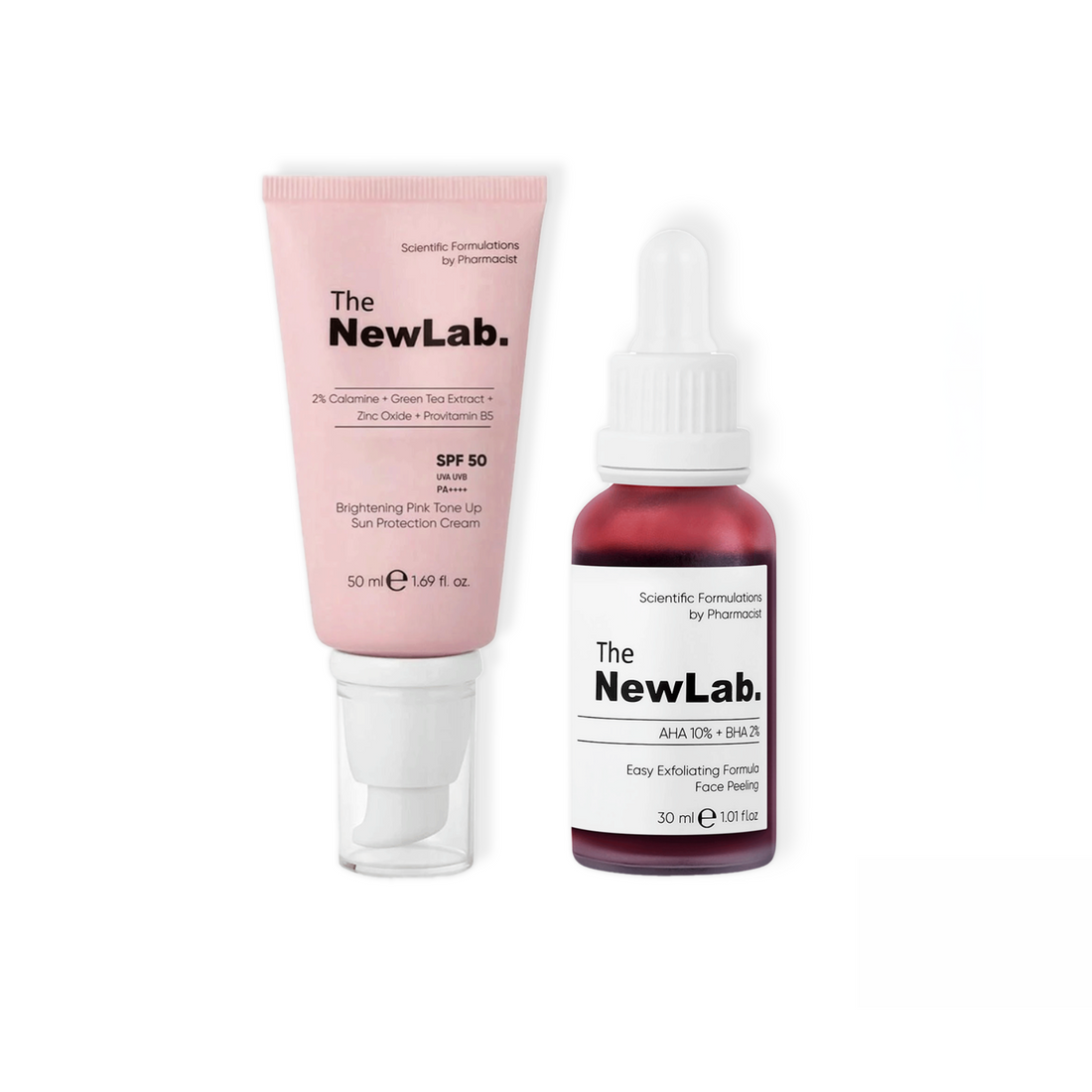
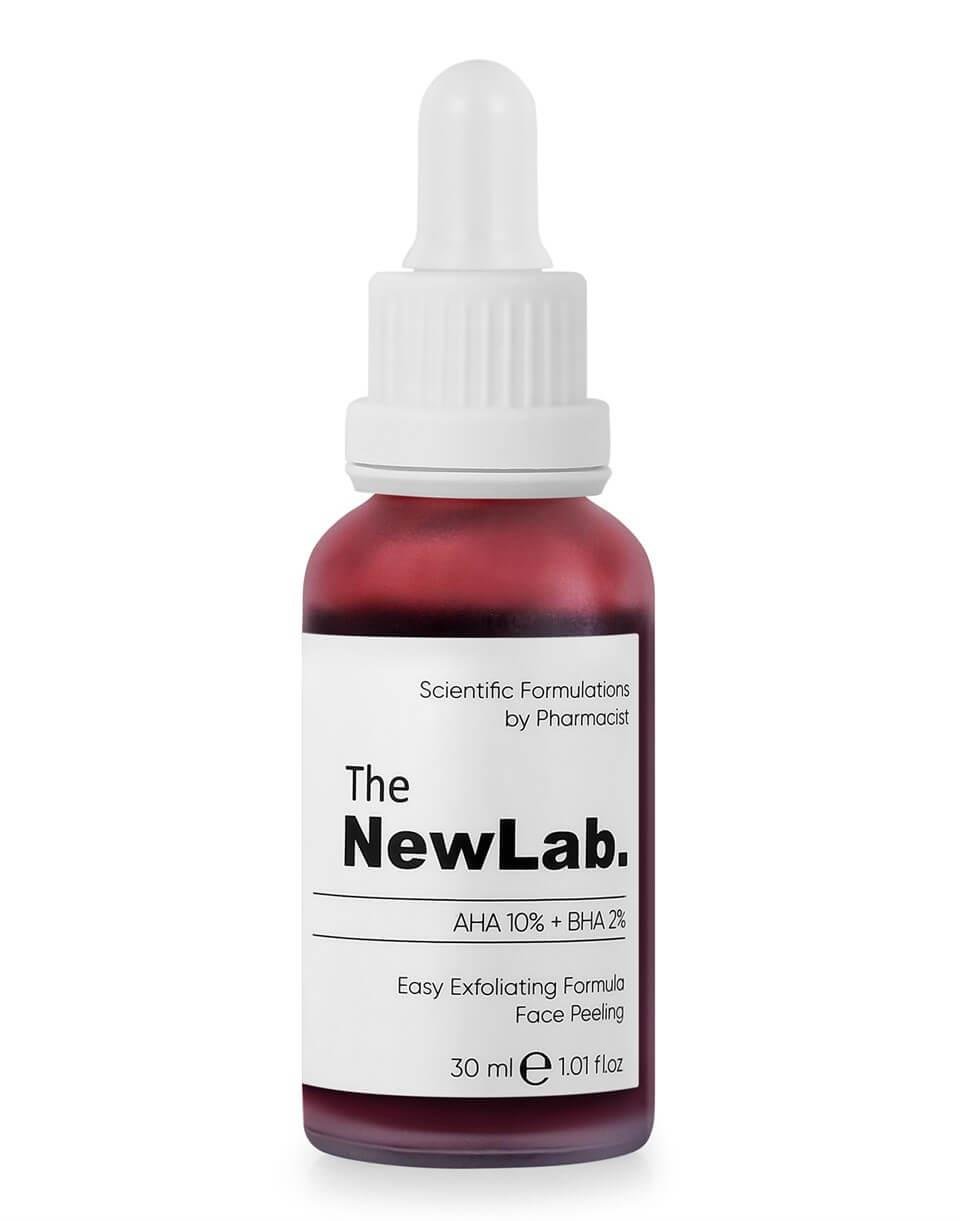 Skin Renewing, Brightening, and Sun Protection Care SetVendor:Skin Renewing, Brightening, and Sun Protection Care SetThe NewLab.
- Regular price
-
899.99TL - Regular price
-
1,499.99TL - Sale price
-
899.99TL
Quick view
-
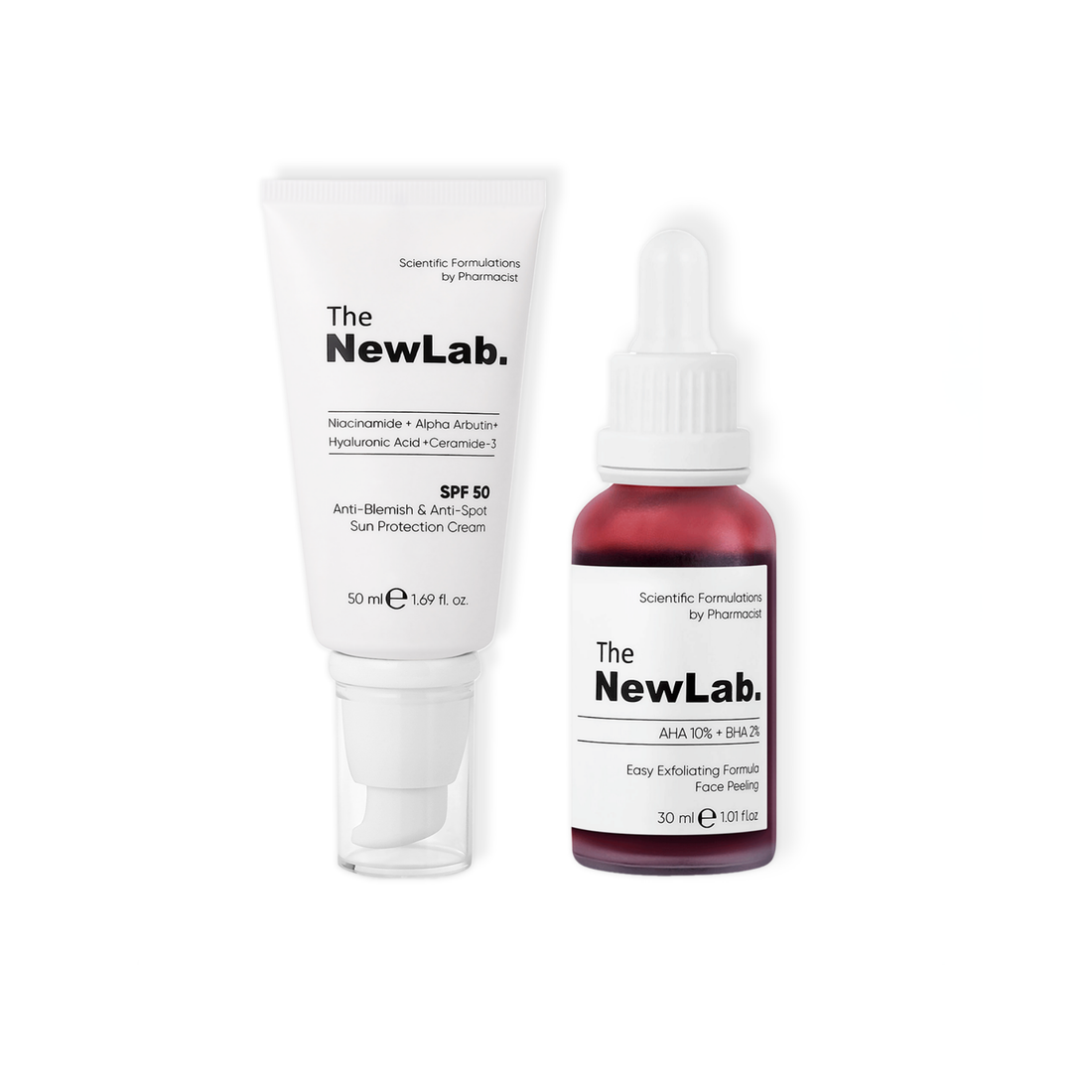
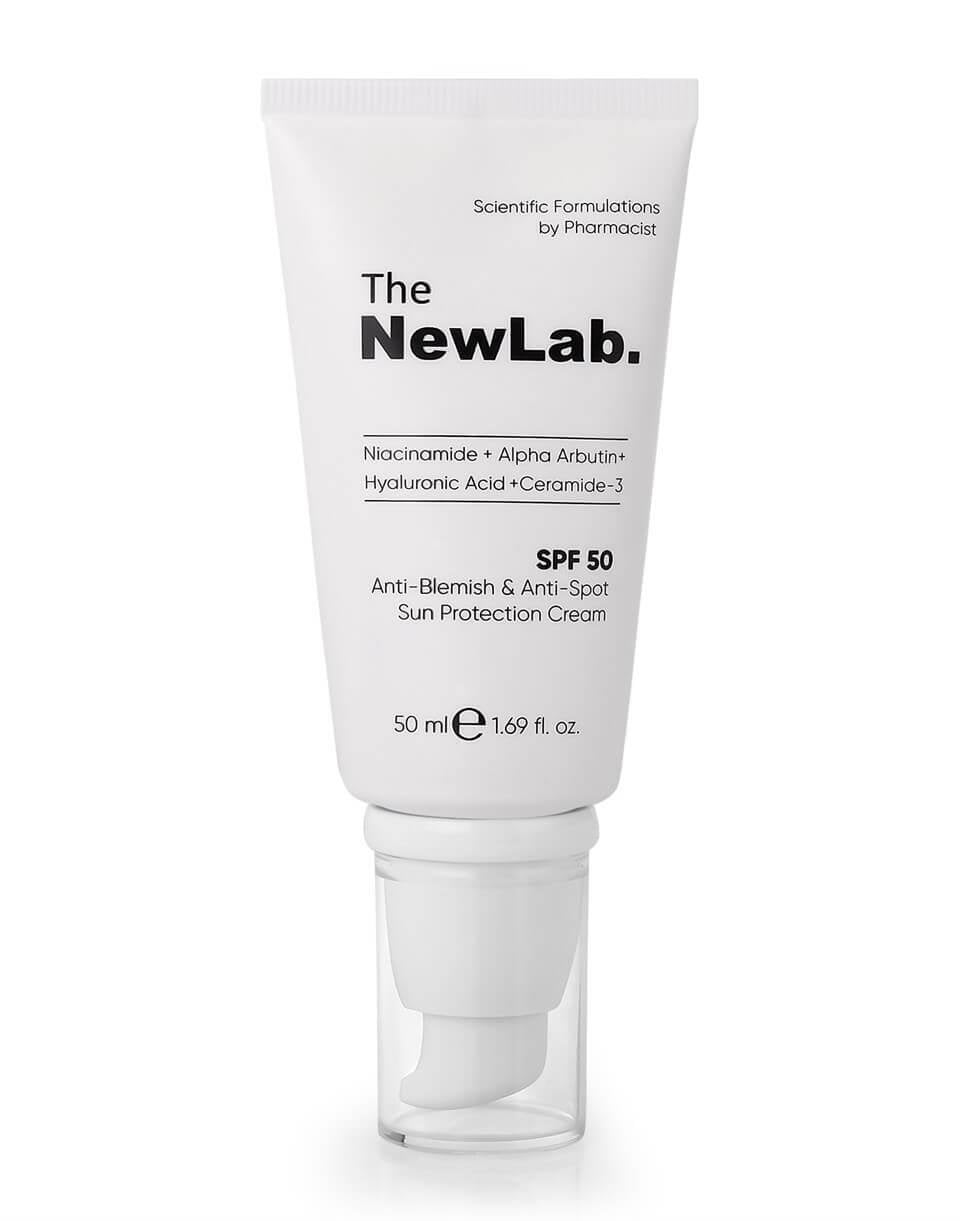 Skin Renewing & Sun Protection Care SetVendor:Skin Renewing & Sun Protection Care SetThe NewLab.
- Regular price
-
959.99TL - Regular price
-
1,599.99TL - Sale price
-
959.99TL
Quick view
-
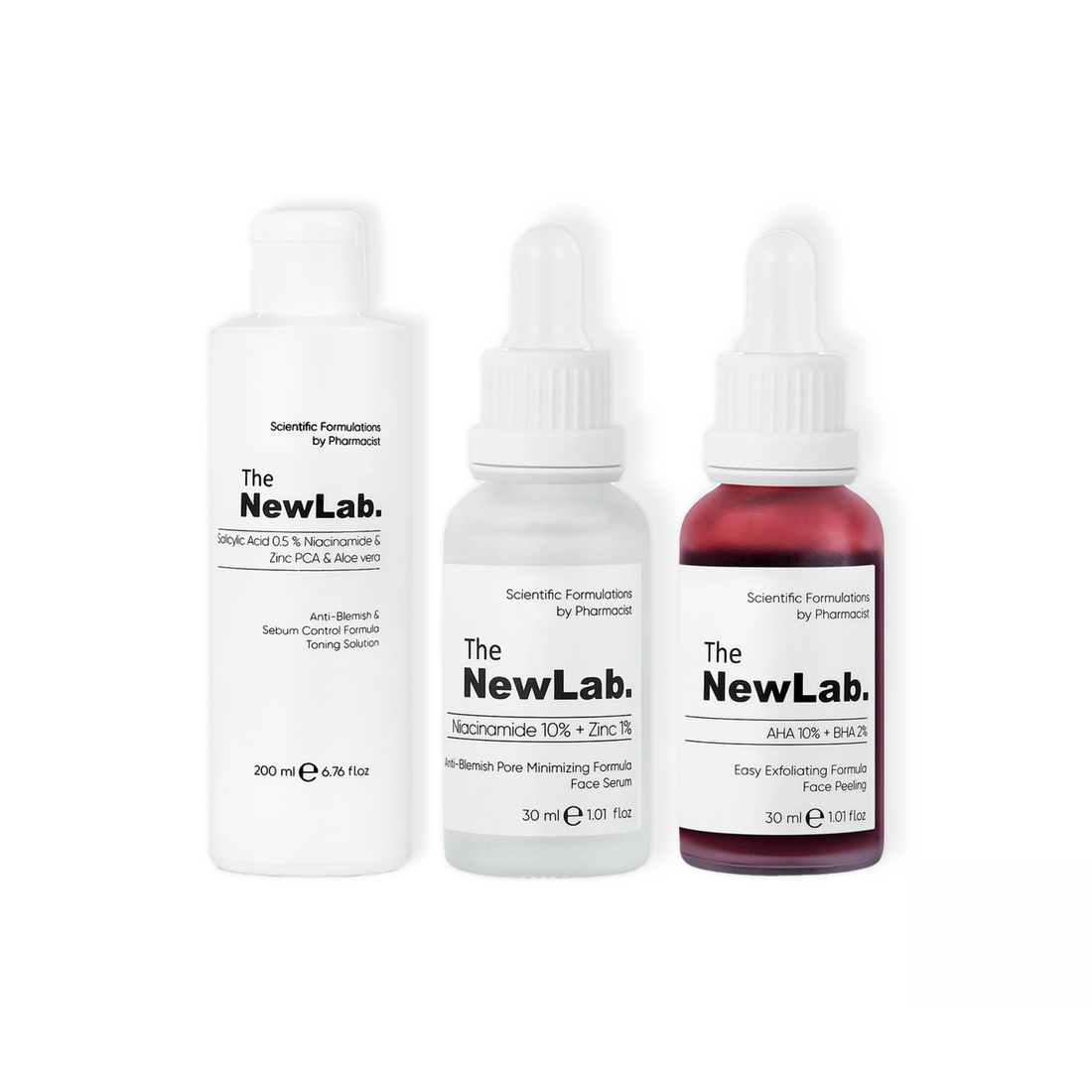 Anti-Acne Care SetVendor:Anti-Acne Care SetThe NewLab.
- Regular price
-
1,139.99TL - Regular price
-
1,899.99TL - Sale price
-
1,139.99TL
Quick view
Mature skin is a skin condition that arises with age due to decreased collagen and elastin production, slowed cell renewal, and reduced moisture retention capacity. Symptoms of mature skin, which typically become apparent after the age of 35-40, include fine lines and wrinkles, loss of elasticity, a tendency for skin to loosen and sag, uneven skin tone and age spots, as well as dryness and dullness.
Mature skin is a condition that any skin type (oily, dry, combination, normal) faces as part of the aging process. The rate of skin aging is directly related to genetic factors as well as sun exposure, smoking, stress, diet, and skincare habits. Many of these factors can be brought under control.
The primary goal of mature skincare is to reduce the appearance of existing wrinkles, delay the formation of new ones, support skin elasticity and plumpness, even out skin tone, and provide intense hydration. With the right active ingredients and a consistent care routine, the appearance of mature skin can be significantly improved.
Which Skincare Products Should Be Used for Mature Skin?
Mature skincare requires powerful and proven active ingredients. Light or general-purpose products may not be sufficient. Here are the actives and categories to consider when choosing skincare products for mature skin:
Serums: Retinol (cell renewal + collagen support), peptides (wrinkle reduction + elasticity), Vitamin C (brightening + collagen synthesis), EGF (cell renewal), and hyaluronic acid (plumping + hydration) are the most powerful allies for mature skin.
Creams: Intense moisturizers containing ceramides, cica, and hyaluronic acid. Mature skin has a lower moisture retention capacity, so rich formulas should be preferred.
Sunscreen: UV damage is the greatest accelerator of aging. SPF 50+ protection is indispensable in mature skincare.
Peels: Since the cell cycle slows down in mature skin, regular exfoliation prevents the buildup of dead cells and enhances the absorption of other products.
Serums for Mature Skin
Serums are the most critical step in mature skincare. High-concentration active ingredients reach deep into the skin to target signs of aging such as wrinkles, loss of elasticity, and dullness.
Wrinkle Reduction with Peptides and Copper Peptides
Advanced Anti-Aging Skincare Serum (Multi Peptide + Copper Peptide 1%) is the most comprehensive anti-aging product for mature skin. Matrixyl 3000 stimulates collagen production, Argireline softens expression lines by reducing excessive contraction of mimic muscles, Syn-Ake (known as snake venom peptide) targets deep wrinkles, and copper peptides (1%) support the skin's repair processes. These four powerful peptides work together to provide noticeable results on mature skin.
Anti-Wrinkle 10% Argireline Serum + Copper Peptide provides effective results, particularly on forehead lines, crow's feet, and between-the-eyebrow wrinkles, thanks to its high concentration of Argireline (10%). It strengthens the skin's elasticity with copper peptide support.
Face Serum for Fine Lines and Wrinkles (Botanical Collagen + Peptide Complex) hydrates the skin while reducing the appearance of fine lines with its botanical collagen and peptide complex. It is a gentle alternative for mature skin types that prefer not to use retinol or strong actives.
Cell Renewal with Retinol
Anti-Aging Face Serum (Retinol 0.2% + Squalane 20%) contains retinol, the gold standard active in mature skincare. Retinol accelerates cell renewal, stimulates collagen production, reduces the appearance of fine lines and wrinkles, and evens out skin tone. Squalane (20%) balances retinol's drying effect, intensely hydrating the skin. This combination makes retinol much more tolerable for mature skin. Use 2-3 nights a week in your evening routine.
Skin Renewal with EGF
EGF Skin Renewing Serum enhances the skin's natural regenerative capacity with Epidermal Growth Factor (EGF). The cell cycle in mature skin slows down significantly compared to younger skin (it can extend from 28 days to 40-50 days), which causes the skin to look dull and lifeless. EGF accelerates this slowed process, providing a more vibrant and refreshed skin appearance.
Brightening and Collagen Support with Vitamin C
Vitamin C Serum provides multiple benefits for mature skin: it brightens, fades the appearance of age spots, supports collagen synthesis, and prevents free radical damage with its antioxidant effect. When applied before sunscreen in the morning routine, it provides additional protection against UV damage.
Plumping and Hydration with Hyaluronic Acid
Intensive Hydrating Hyaluronic Acid Serum meets the most fundamental need of mature skin: intense hydration. As we age, the skin's natural production of hyaluronic acid decreases and its moisture retention capacity drops. Topically applied hyaluronic acid deeply hydrates, plumps the skin, and reduces the appearance of fine lines caused by dehydration.
Barrier Strengthening
In mature skin, barrier function weakens and moisture loss accelerates. Barrier Strengthening B12 Face Serum fortifies the skin's protective barrier with Vitamin B12 and barrier-supporting components, preventing moisture loss.
Cleansers for Mature Skin
Cleansing for mature skin should be done without disrupting the skin's already diminished oil and moisture balance. Foaming and harsh cleansers can dry out mature skin and make wrinkles more pronounced.
Oil-Based Facial Makeup Cleanser is ideal as the first step of double cleansing for mature skin. With hemp seed oil, calendula, and lavender extract, it nourishes the skin while gently dissolving makeup and sunscreen residues.
Barrier Strengthening B12 Cleansing Foam is suitable as the second step of double cleansing or for morning cleansing. While Vitamin B12 supports skin renewal, barrier-protecting components safeguard the skin during the cleansing process.
Toner for Mature Skin
Refreshing & Skin Tone Evening Toner (Rose Hydrosol, Glycolic Acid 5%, AHA+BHA) is an effective toner choice for the uneven skin tone and dullness often seen in mature skin. The combination of glycolic acid and AHA+BHA gently renews the skin while rose hydrosol soothes it. It should be used in the evening routine.
Peeling for Mature Skin
Because the cell cycle slows down in mature skin, there is more dead cell buildup, making the skin appear matte and dull. Regular exfoliation increases skin vitality and improves the absorption of powerful actives like retinol, peptides, and Vitamin C.
Purifying and Renewing Enzyme Powder Peeling provides gentle yet effective exfoliation for mature skin with mandelic acid and papain enzyme. AHA BHA Peeling Face Serum is suitable for those who prefer a stronger chemical peel. Use 1-2 times a week; do not exfoliate on nights when you apply retinol.
Creams for Mature Skin
In mature skin, a moisturizing cream is used not just to provide hydration, but also to repair the barrier, lock in moisture, and support skin plumpness.
Intensive Hydrating Cica Cream meets the intense moisture needs of mature skin with its centella asiatica (cica), hyaluronic acid, and ceramide content. Cica soothes and repairs the skin, ceramides strengthen the barrier, and hyaluronic acid locks moisture into the skin. Repairing and Hydrating Stick Cream (4C Cica + 4D Hyaluronic Acid) provides practical moisture replenishment for dry areas throughout the day.
Sunscreen for Mature Skin
Sun protection is one of the most critical steps in mature skincare. Photoaging (sun-induced aging) causes far more damage than chronological aging. UV rays break down collagen, weaken elastin fibers, and accelerate the formation of age spots. Sun protection is even more important for mature skin using retinol and AHAs, as these actives make the skin sensitive to the sun.
Brightening and Skin Tone Evening Sunscreen (SPF 50+) provides protection while brightening and hydrating the skin with calamine, green tea extract, and provitamin B5. It is an ideal choice for mature skin that provides both protection and care. Sunscreen SPF50 Sun Drops Serum is suitable for daily use with its light serum consistency.
Eye Care Products for Mature Skin
The eye contour is the area where signs of aging are most apparent in mature skin. Crow's feet, under-eye wrinkles, dark circles, and eyelid laxity are classic eye-area concerns for mature skin. Since the skin around the eyes is much thinner than the rest of the face, formulas specific to this area should be used.
Brightening and Anti-Aging Eye Cream is a comprehensive skincare product for eye-area concerns in mature skin. It targets fine lines and wrinkles while nourishing, brightening, and hydrating the eye contour. Brightening Eye Serum (Caffeine 5% + Green Tea) revitalizes under-eye circulation and reduces the appearance of puffiness with caffeine.
Mature Skincare Routine: Morning and Evening
In mature skincare, powerful actives must be applied in the correct order and consistently. Below is a routine recommendation created with The NewLab. products:
Morning Routine
1. Cleansing → Gently cleanse with B12 Cleansing Foam.
2. Serum → Provide brightening, collagen support, and antioxidant protection with Vitamin C Serum.
3. Eye care → Caffeine Eye Serum.
4. Moisturizer → Intensive Hydrating Cica Cream.
5. Sunscreen → Brightening Sunscreen SPF 50+.
Evening Routine
1. Cleansing → Double cleansing with Oil-Based Cleanser + B12 Cleansing Foam.
2. Toner → Gentle exfoliation with Skin Tone Evening Toner (AHA+BHA) (2-3 evenings per week).
3. Serum → Multi Peptide + Copper Peptide Serum or Retinol Serum (alternated 2-3 nights per week).
4. Eye care → Anti-Aging Eye Cream.
5. Moisturizer → Cica Cream.
Weekly Additional Care
Gentle exfoliation 1-2 times a week with Enzyme Powder Peeling. Do not peel on nights when retinol or AHA toner is applied.
The Science of Aging in Mature Skin
Skin aging consists of two main processes:
Intrinsic aging (chronological aging): The naturally programmed aging process. From the age of 20 onwards, collagen production decreases by approximately 1% each year. Cell renewal slows in the 30s, elastin loss becomes noticeable in the 40s, and in the 50s, the drop in estrogen following menopause leads to rapid moisture loss and thinning of the skin.
Extrinsic aging (photoaging): Aging caused by environmental factors such as sun exposure, pollution, smoking, and stress. Research shows that up to 80% of visible signs of aging on the skin are caused by the sun. Therefore, sun protection is the most critical step in mature skincare.
Intrinsic aging cannot be stopped entirely, but it can be slowed with actives like retinol, peptides, and EGF. Extrinsic aging, however, can be largely prevented with sun protection, antioxidants, and the right skincare.
Common Mistakes in Mature Skincare
Neglecting sunscreen: The biggest mistake in mature skincare. Investing in powerful actives like retinol, Vitamin C, and peels while skipping sunscreen renders all care ineffective.
Using too many powerful actives at once: Using retinol + AHA + Vitamin C + niacinamide all on the same night will irritate the skin and damage the barrier. Rotating actives (e.g., retinol one night, peptides the next) is safer and more effective.Underestimating hydration: Mature skin has a low moisture retention capacity. Using only a serum and skipping a cream fails to lock moisture into the skin and causes wrinkles to look more pronounced.
Neglecting the eye area: The eye area is where signs of aging appear earliest and most prominently. Applying a face serum to the eye area is not enough; special formulas designed for this region must be used.
Frequently Asked Questions
At what age should mature skincare begin?
Preventive care (vitamin C, sun protection, mild retinol) can start around the age of 25. Intensive anti-aging actives (high-concentration peptides, regular retinol) are generally incorporated into the routine from the mid-30s onwards. However, the best time to start is always as soon as signs of aging begin to appear.
What is the most effective active ingredient for mature skin?
Retinol is scientifically the most proven anti-aging active. It accelerates cell renewal, stimulates collagen production, and evens out skin tone. Peptides are a powerful alternative for those who cannot tolerate retinol. The ideal approach is to use retinol and peptides alternately.
Can retinol and peptides be used together on mature skin?
Yes, but it is more effective to use them alternately rather than applying them together on the same night. For example, retinol can be applied 2-3 nights a week, and a peptide serum on the other nights. This approach allows you to benefit from both actives without overloading the skin.
Can mature skin be exfoliated?
Yes, regular exfoliation is very important for mature skin. Due to a slowed cell turnover rate, dead cell buildup increases, and the skin appears dull. Enzyme-based or low-concentration AHA peels can be used 1-2 times a week. However, exfoliation should not be performed on nights when retinol is applied.
Why is hyaluronic acid important for mature skin?
With age, the skin's natural production of hyaluronic acid decreases. By the age of 50, the amount of hyaluronic acid in the skin is approximately half of what it was during youth. Hyaluronic acid applied externally deeply hydrates and plumps the skin, reducing the appearance of fine lines caused by dehydration.
Why is sun protection so important for mature skin?
The vast majority of visible signs of aging on the skin are sun-induced. UV rays break down collagen, weaken elastin fibers, and accelerate the formation of age spots. Since actives like retinol and AHAs make the skin sensitive to the sun, daily SPF 50+ protection is essential in mature skincare.
Is mature skin the same as dry skin?
No, but mature skin is often prone to dryness. Dry skin is a genetically determined skin type and can occur at any age. Mature skin, however, is a condition that emerges with the aging process, and even an oily skin type can be mature. Dryness in mature skin is caused by the decline in sebum production and hyaluronic acid levels with age.
Which vitamins are effective for mature skin?
Vitamin A/retinol (cell renewal and collagen production), vitamin C (brightening and collagen synthesis), vitamin E (antioxidant and hydration), vitamin B12 (cell renewal and barrier strengthening), and vitamin B5/panthenol (hydration and repair) are the most effective vitamins for mature skincare.
What is EGF and how does it work on mature skin?
EGF (Epidermal Growth Factor) is a growth factor that the skin produces naturally but decreases with age. Externally applied EGF accelerates the skin's renewal process, supports the repair of damaged cells, and contributes to a fresher, more vibrant skin appearance.
How long does it take to see results on mature skin?
The hydrating and plumping effect of hyaluronic acid can be felt from the first use. Wrinkle reduction with retinol and peptides usually becomes noticeable after 6-12 weeks of regular use. The brightening effect of vitamin C begins to be seen in 4-8 weeks. Patience and consistency are the most important factors in mature skincare.
The NewLab. Skincare Products for Mature Skin
Mature skin is a condition that can be significantly improved with the right actives and a consistent skincare routine. The skincare products offered by The NewLab. for mature skin, ranging from multi-peptide and copper peptide serums to retinol formulas, EGF cell regenerators to vitamin C brighteners, and intensive moisturizing cica creams to brightening sunscreens, target signs of aging to provide a younger, firmer, and more vibrant skin appearance. You can browse our collection above to discover the products suitable for your skin.