
18 products
-
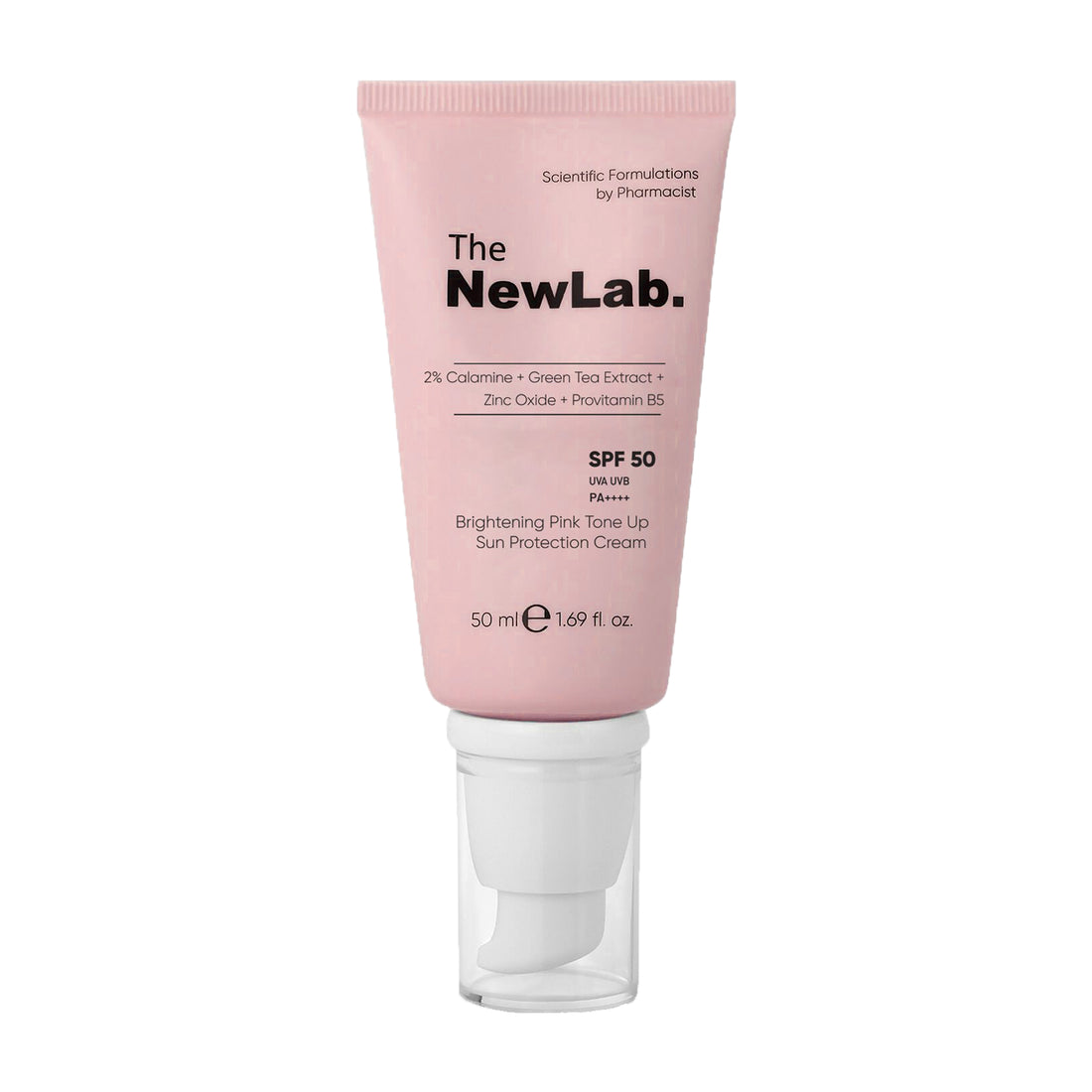
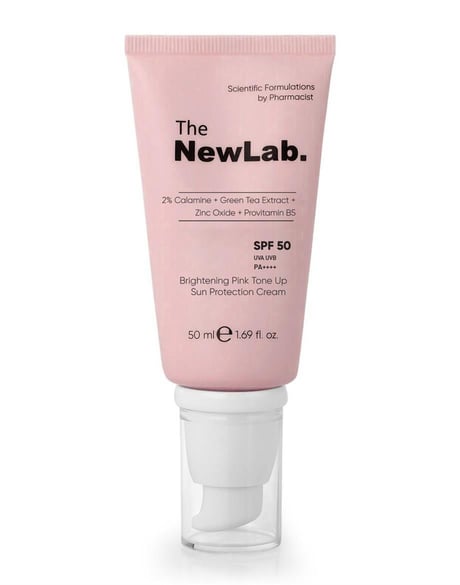 Brightening and Skin Tone Evening Sunscreen SPF 50+ 50 mlVendor:Brightening and Skin Tone Evening Sunscreen SPF 50+ 50 mlThe NewLab.
- Regular price
-
630.44TL - Regular price
-
969.90TL - Sale price
-
630.44TL
Quick view
-
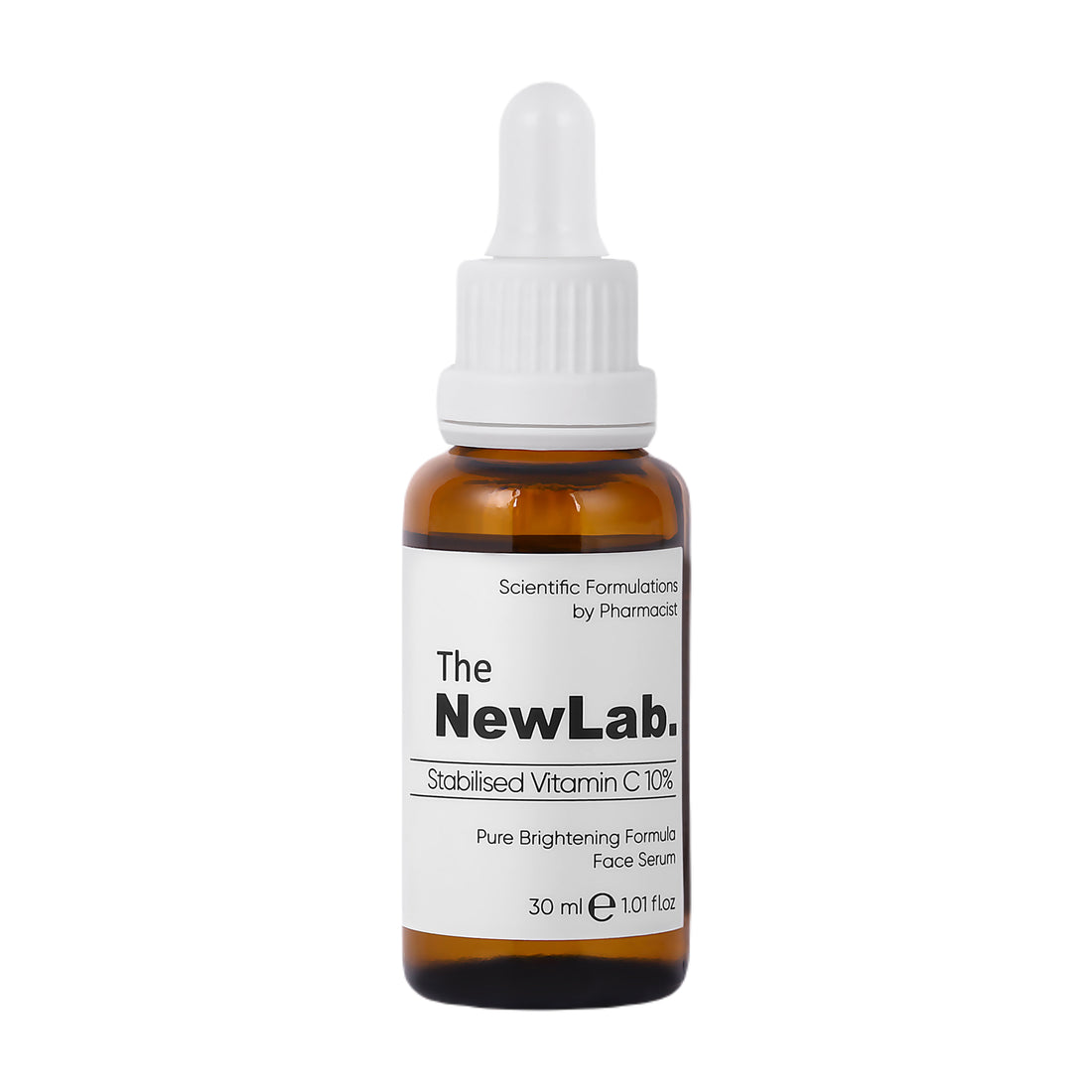
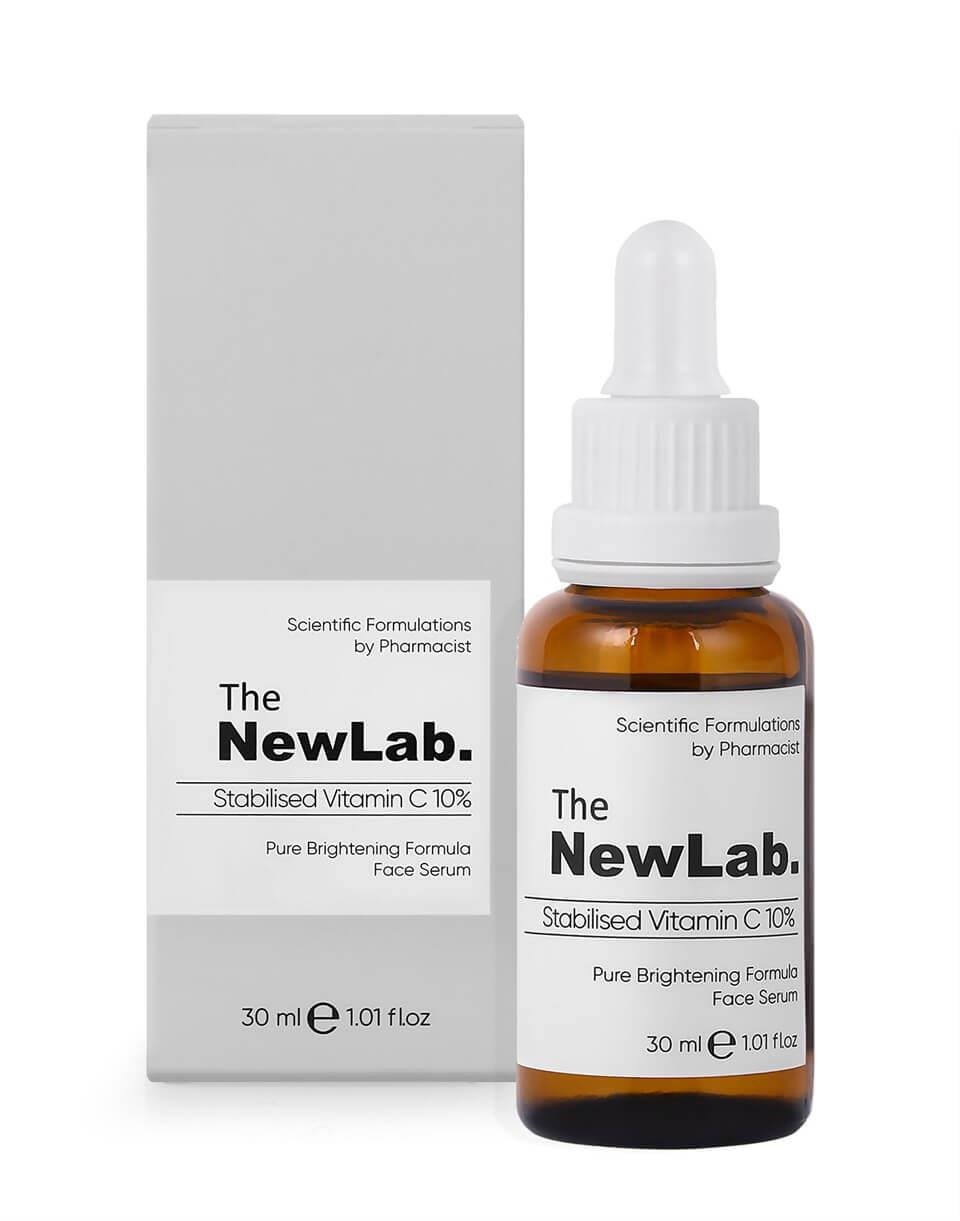 Vitamin C SerumVendor:Vitamin C SerumThe NewLab.
- Regular price
-
545.94TL - Regular price
-
839.90TL - Sale price
-
545.94TL
Quick view
-
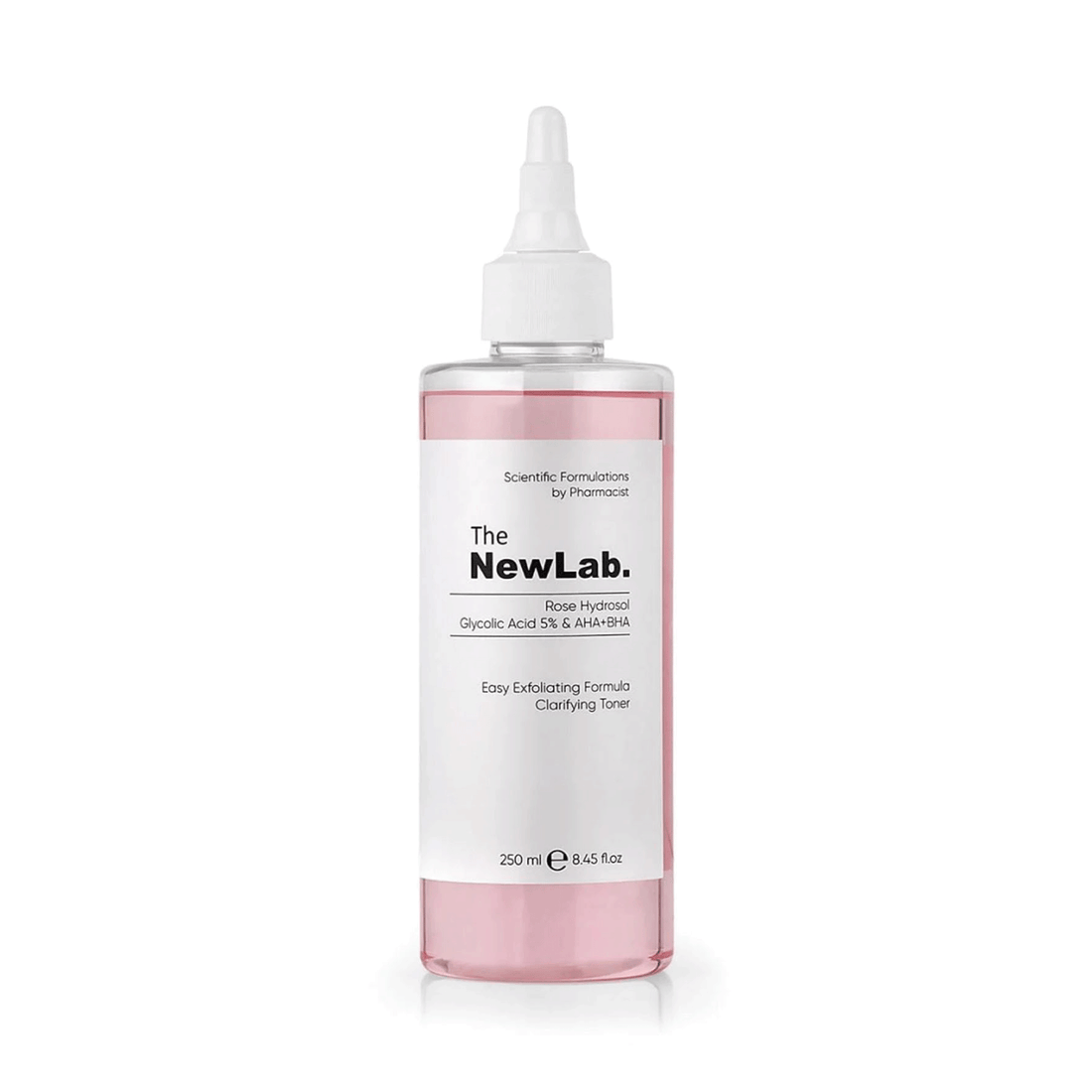
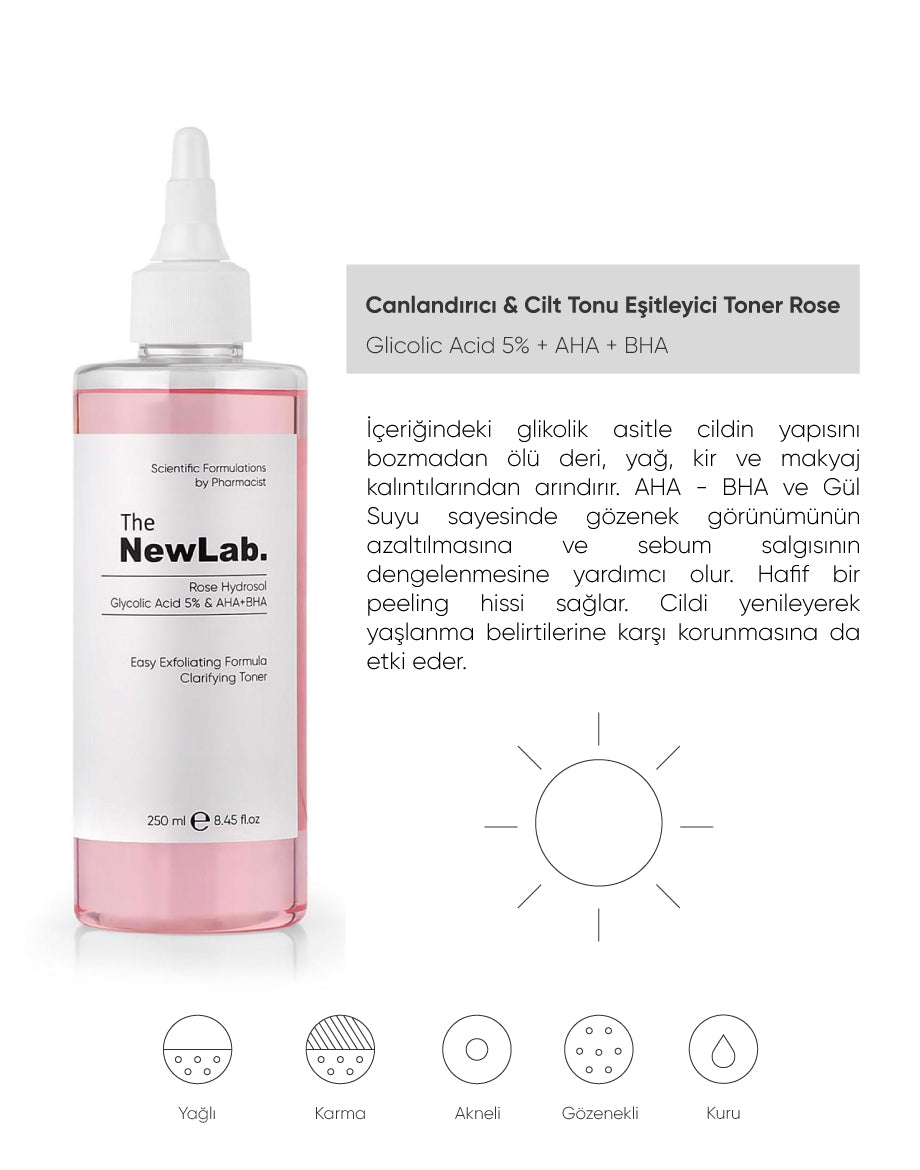 Refreshing & Skin Tone Equalizing Toner Rose Hydrosol Glycolic Acid 5% & AHA+BHA 250 mlVendor:Refreshing & Skin Tone Equalizing Toner Rose Hydrosol Glycolic Acid 5% & AHA+BHA 250 mlThe NewLab.
- Regular price
-
500.44TL - Regular price
-
769.90TL - Sale price
-
500.44TL
Quick view
-

 Refreshing & Skin Tone Equalizing Toner Rose Hydrosol Glycolic Acid 5% & AHA+BHA 250 mlVendor:Refreshing & Skin Tone Equalizing Toner Rose Hydrosol Glycolic Acid 5% & AHA+BHA 250 mlThe NewLab.
- Regular price
-
199.99TL - Regular price
-
199.99TL - Sale price
-
199.99TL
Quick view
-
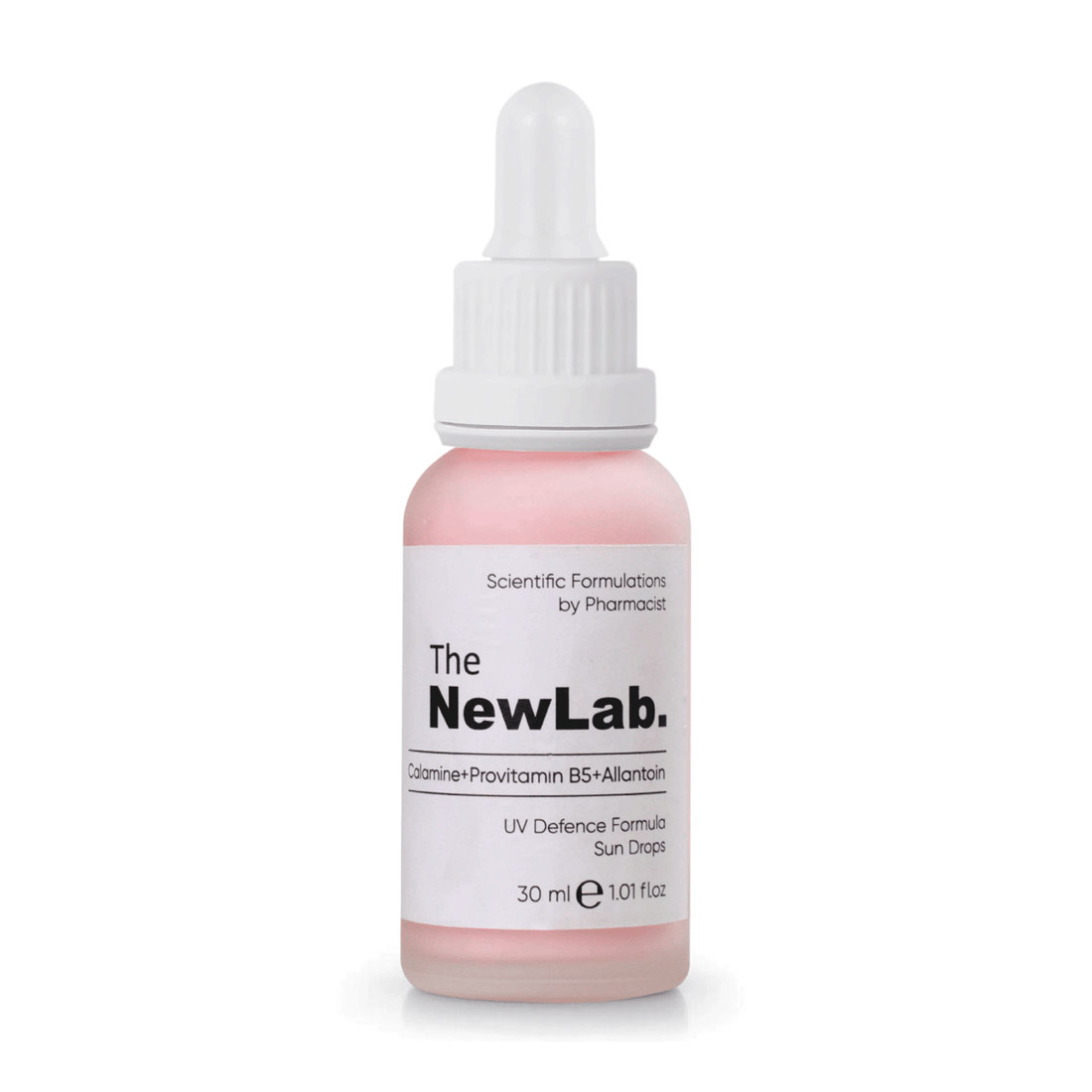
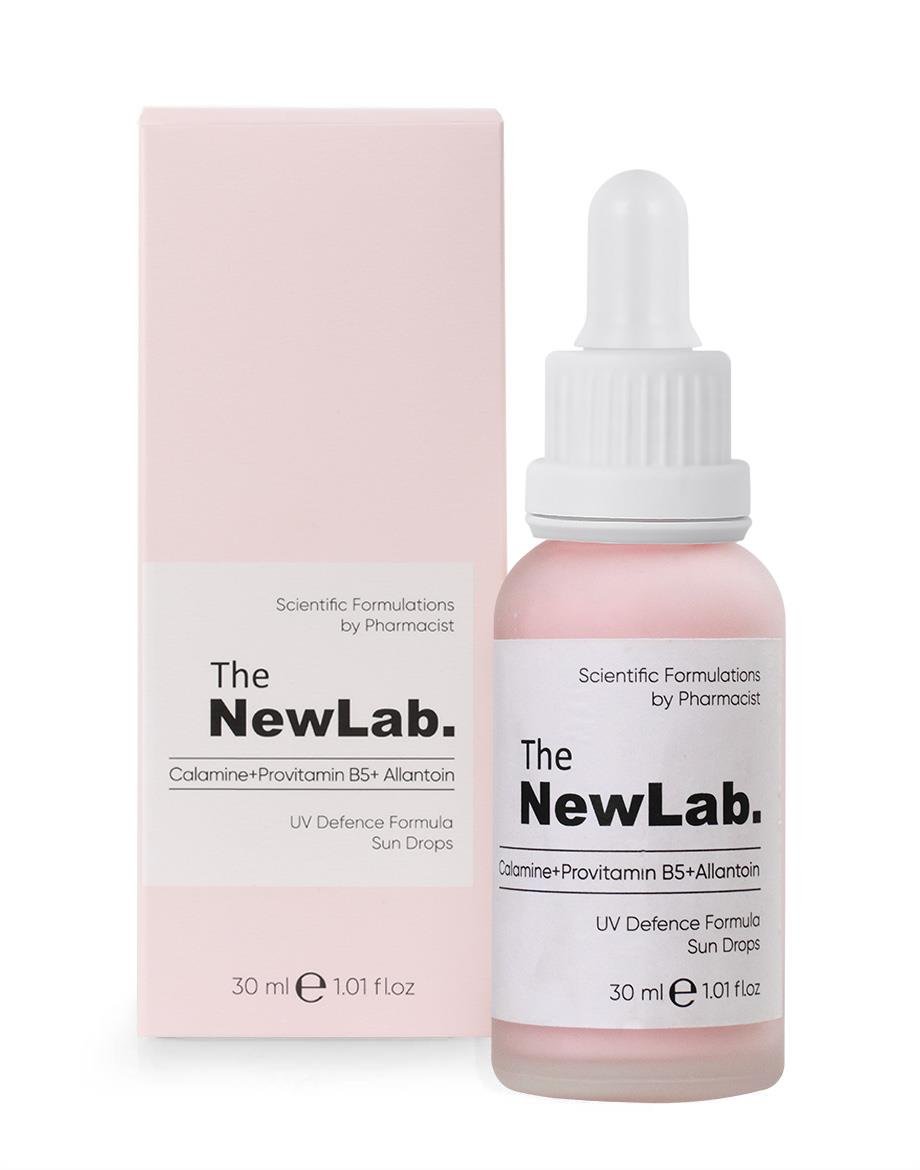 SPF50 Sun Drops SerumVendor:SPF50 Sun Drops SerumThe NewLab.
- Regular price
-
545.94TL - Regular price
-
839.90TL - Sale price
-
545.94TL
YENİQuick view
-

 Brightening Face Serum for Blemished Skin Niacinamide 5% + Alpha Arbutin 2%Vendor:Brightening Face Serum for Blemished Skin Niacinamide 5% + Alpha Arbutin 2%The NewLab.
- Regular price
-
454.94TL - Regular price
-
699.90TL - Sale price
-
454.94TL
Quick view


Skin Tone Evening and Anti-Spot Care Guide for Discolored Skin
Skin spots are discolorations resulting from the overproduction or uneven distribution of melanin pigment in specific areas. Medically referred to as hyperpigmentation, this condition causes certain areas of the skin to appear darker than the surrounding tissue. Discolored skin is not a skin type, but rather a skin condition that can affect any skin type—regardless of whether it is oily, dry, combination, or sensitive.
Primary causes of skin spots include harmful UV rays from the sun (sun spots), hormonal changes—particularly during pregnancy, oral contraceptive use, and menopause—(melasma), post-acne marks (post-inflammatory hyperpigmentation), age spots that appear with the aging process, and the use of incorrect skincare products or cosmetic procedures.
Sunlight is the primary trigger for spot formation. UV exposure stimulates melanocyte cells, increasing melanin production and causing existing spots to darken. For this reason, sun protection is not just one step in discolored skin care, but the cornerstone of the entire routine.
Which Skincare Products Should Be Used for Discolored Skin?
The goal in caring for discolored skin is to lighten the appearance of existing spots, even out skin tone, and prevent the formation of new ones. To achieve these three goals, the right active ingredients and product categories must be used in combination:
Brightening serums: Actives such as alpha arbutin, vitamin C, niacinamide, and licorice root extract reduce the appearance of spots by regulating melanin production.
Peelings and toners: Products containing AHA (glycolic acid, mandelic acid) and BHA gently renew the top layer of discolored skin, revealing a brighter complexion.
Sunscreens: SPF 50+ broad-spectrum protection is an indispensable step in discolored skin care. No anti-spot treatment applied without sun protection will yield lasting results.
Cleansers: Cleansers supported by active ingredients while purifying the skin remove dirt and dead cells that contribute to spot formation in the first step of the routine.
Serums for Discolored Skin
Serums are the product category that provides the highest efficacy in discolored skin care. By delivering highly concentrated active ingredients directly to the skin, they target melanin production.
Spot Reduction with Alpha Arbutin and Niacinamide
Brightening Facial Serum for Discolored Skin (Niacinamide 5% + Alpha Arbutin 2%) is the most focused anti-spot skincare product in this collection. Alpha arbutin inhibits the tyrosinase enzyme, reducing melanin production at its source—it has a much gentler mechanism of action than hydroquinone. Niacinamide lightens the appearance of spots by preventing the transfer of produced melanin to the skin's surface. With its content of licorice root extract and peptide complex, it brightens the skin while hyaluronic acid provides deep hydration. It is suitable for morning and evening use; it does not sensitize the skin to the sun.
Brightening and Antioxidant Protection with Vitamin C
Vitamin C Serum works in two directions in discolored skin care: it lightens the appearance of existing spots and helps prevent new spot formation by creating an antioxidant shield against free radicals. With its stabilized vitamin C formula, it brightens the skin, evens out skin tone, and supports collagen production, making the skin appear more vibrant. When applied in the morning routine before sunscreen, it provides extra protection against UV damage.
Skin Renewal and Spot Fading with AHA BHA
AHA BHA Peeling Facial Serum gently removes pigmented cells from the top layer of discolored skin, revealing a brighter complexion. While AHA (glycolic acid) renews the skin surface, BHA (salicylic acid) deeply cleanses pores. It provides visible results with regular use, especially on dark marks formed after acne. It is used in the evening routine twice a week; sunscreen must be applied the next day.
Toners for Discolored Skin
Toners restore the skin's pH balance after cleansing while supporting care with anti-spot active ingredients.
Revitalizing & Skin Tone Evening Toner (Rose Hydrosol, Glycolic Acid 5%, AHA+BHA) is a powerful toner option for discolored skin care. The combination of glycolic acid and AHA+BHA gently renews the skin's top layer to even out skin tone, while rose hydrosol soothes the skin. Since it contains AHA, it should be used in the evening routine, and sunscreen should be applied in the morning.
Anti-Acne & Sebum Control Purifying Toner is particularly suitable for skin prone to post-acne spot formation. With its salicylic acid, niacinamide, and Zinc PCA content, it cleanses pores while helping to prevent new acne formation and associated staining.
Cleanser and Peeling for Discolored Skin
Cleansing is the first and fundamental step of discolored skin care. By purifying the skin of dirt, sebum, and makeup residue, it increases the absorption of brightening products in subsequent steps.
Anti-Acne & Sebum Control Facial Cleanser deeply cleanses the skin with its gel formula containing salicylic acid and niacinamide. Especially for those experiencing acne-related spot problems, it prevents pore clogging, thereby preventing the formation of new pimples and, consequently, new spots.
Purifying and Renewing Enzyme Powder Peeling contains mandelic acid, succinic acid, tartaric acid, and papain enzyme. Due to its large molecular structure, mandelic acid gently renews the skin while lightening the appearance of spots and reducing the formation of acne scars. It is suitable for use 1-2 times a week.
Sunscreens for Discolored Skin
Sun protection is the most critical step in discolored skin care. No brightening serum or peeling applied without sunscreen will yield permanent results, as UV rays continuously stimulate melanin production, darkening existing spots and laying the groundwork for new ones. For discolored skin, daily sunscreen use is essential in all four seasons, even on cloudy days.
Anti-Acne and Anti-Spot Sunscreen (SPF 50) is a sunscreen specifically formulated for discolored skin care. With its alpha arbutin and niacinamide content, it provides not only protection but also active spot prevention. It is recommended as the first choice for acne-prone discolored skin.
Brightening and Skin Tone Evening Sunscreen (SPF 50+) soothes the skin with calamine and green tea extract while evening out skin tone and providing hydration with provitamin B5. It is a suitable option for skin experiencing melasma and sun spot problems.
Sunscreen SPF50 Sun Drops Serum is ideal for those looking for lightweight protection with a serum consistency. It offers a broad-spectrum physical barrier and is suitable for daily use with its non-whitening formula.
Anti-Acne and Anti-Spot Skin Tone Evening SPF 30 BB Cream is a multifunctional product that provides both sun protection and skin tone evening, and can also be used as a makeup primer.
Discolored Skin Care Routine: Morning and Evening
Consistency and the correct product sequence directly affect results in discolored skin care. Below is a routine suggestion created with The NewLab. products:
Morning Routine
1. Cleansing → Gently wash your face with the Anti-Acne & Sebum Control Facial Cleanser.
2. Toner → Balance the skin with the Anti-Acne & Sebum Control Purifying Toner.
3. Serum → Provide brightening and antioxidant protection with the Vitamin C Serum.
4. Sunscreen → Anti-Acne and Anti-Spot Sunscreen (SPF 50) — the most important step not to be skipped in discolored skin care.
Evening Routine
1. Cleansing → Double cleansing is recommended to completely remove sunscreen and makeup residue.
2. Toner → Gentle exfoliation and tone evening (2-3 evenings per week) with the Revitalizing & Skin Tone Evening Toner (AHA+BHA).
3. Serum → Anti-spot care overnight with the Brightening Facial Serum (Niacinamide 5% + Alpha Arbutin 2%).
Weekly Additional Care
Accelerate the renewal of discolored skin by exfoliating 1-2 times a week with the Enzyme Powder Peeling or AHA BHA Peeling Serum. Always use sunscreen the day after applying AHA/BHA.
Types of Skin Spots and Their Differences
Sun Spots
These are dark brown spots that form mainly on the face, hands, and décolleté as a result of prolonged exposure to UV rays. They darken in the summer months and may lighten in the winter. Their appearance can be reduced through regular use of sunscreen and brightening actives.
Post-Acne Spots (Post-Inflammatory Hyperpigmentation)
These are brown or reddish marks that form after pimples or skin inflammation. Picking at pimples or failing to apply proper treatment increases the risk of these spots forming. Skincare products containing niacinamide, alpha arbutin, and mandelic acid yield effective results on these types of spots.
Melasma
These are dark spots that appear symmetrically on the cheeks, forehead, and upper lip, usually due to hormonal changes (pregnancy, birth control pills, menopause). Treatment begins with sun protection; brightening actives and regular exfoliation play a supporting role. Melasma is a stubborn type of spot and requires long-term, patient care.
Age Spots
These are flat, brown spots that occur as a result of the skin's slowing renewal rate with age and cumulative sun damage over the years. They are commonly seen on the face, hands, and chest area. Skincare products containing retinol, vitamin C, and AHA can accelerate cell renewal and lighten the appearance of these spots.
Effective Active Ingredients for Discolored Skin
The active ingredients used in discolored skin care work through different mechanisms. Here are the most effective actives and what they do:
Alpha Arbutin: Inhibits the tyrosinase enzyme responsible for melanin production. It is a gentle alternative to hydroquinone and can be safely used on all skin types. It can be applied morning and evening and does not sensitize the skin to the sun.
Vitamin C (Ascorbic Acid): Suppresses melanin synthesis, provides protection against free radicals as an antioxidant, and supports collagen production. It yields the most effective results when used with sunscreen in the morning routine.
Niacinamide (Vitamin B3): Reduces the appearance of spots by preventing the transfer of melanin to the skin's surface. It also strengthens the skin barrier, reduces the appearance of pores, and balances sebum production.
AHAs (Glycolic Acid, Mandelic Acid): Accelerate skin renewal by gently removing pigmented cells on the skin's top layer. With regular use, skin tone is visibly evened out.
Licorice Root Extract (Glabridin): Contains glabridin, a natural brightener. It suppresses melanin production and soothes the skin with its anti-inflammatory properties.
Common Mistakes in Discolored Skin Care
Not using sunscreen or not applying enough: The biggest mistake in discolored skin care. Investing in brightening serums while neglecting sun protection makes the entire routine futile. Sunscreen should be applied to the face in an amount of at least half a teaspoon and reapplied every 2 hours.
Being impatient for results: Skin spots do not form overnight and do not disappear overnight. Visible differences begin to appear after an average of 6-12 weeks of regular use with brightening actives. Quitting after using a product for a few weeks by saying "it doesn't work" is the most common mistake.
Picking at pimples: Picking at a pimple deepens inflammation and leads to post-inflammatory hyperpigmentation (acne spots). Using spot treatment products for active pimples is a much safer approach.
Over-exfoliation: Peeling every day to get rid of spots quickly can weaken the skin barrier, leading to irritation, redness, and, paradoxically, more staining. 1-2 times a week is sufficient.
Frequently Asked Questions
Do skin spots go away completely?
The vast majority of skin spots can be significantly lightened with the right skincare products and a consistent routine. While sun spots and post-acne spots usually respond well, hormonally triggered spots like melasma can be more stubborn and require long-term care. Early intervention and regular sun protection speed up results.
What is the most important step in discolored skin care?
Sun protection. Brightening serums and peelings reduce the appearance of spots, but if sunscreen is not used, UV rays continuously stimulate melanin production, rendering the entire care ineffective. For discolored skin, SPF 50+ sunscreen should be used every day, in all four seasons.
Which active ingredients are effective for discolored skin?
Alpha arbutin (reduces melanin production), vitamin C (brightens and provides antioxidant protection), niacinamide (prevents melanin transfer), AHAs—glycolic acid and mandelic acid—(accelerate skin renewal), and licorice root extract (natural brightener) are the most effective actives for discolored skin care.
Can vitamin C and alpha arbutin be used together?
Yes, these two actives complement each other. While vitamin C suppresses melanin synthesis, alpha arbutin inhibits the enzyme responsible for melanin production. Because they work through different mechanisms, the anti-spot effect is strengthened when used together. It can be applied as vitamin C in the morning and alpha arbutin serum in the evening.
Is sun protection mandatory when using AHA/BHA?
Absolutely yes. AHA and BHA renew the top layer of the skin, revealing fresh cells. These new cells are more sensitive to the sun. SPF 50+ sunscreen must be used the day after AHA/BHA application; otherwise, the spots may darken instead of lightening.
What is the difference between melasma and sun spots?
While sun spots are generally small, dark spots that form in specific points, melasma consists of brown-gray toned spots that spread over larger and symmetrical areas (on the cheeks, forehead, above the lips). While sun spots stem directly from UV exposure, melasma arises due to hormonal factors and is exacerbated by sunlight. Although treatment approaches are similar, melasma requires longer and more patient care.
Can retinol be used on discolored skin?
Yes, retinol accelerates cell renewal and supports the renewal process of discolored skin. However, retinol sensitizes the skin to the sun, so it must be used in the evening, and high SPF sunscreen must be applied in the morning. Starting with a low concentration and allowing the skin to adjust is important.
When will results be seen in blemish-prone skin care?
With regular use of brightening actives, a noticeable difference usually begins to appear within 6-12 weeks. The skin renewal cycle is approximately 28 days, so patience is required during the first few weeks. Consistent use of sun protection accelerates results.
Is it necessary to use a moisturizer for blemish-prone skin?
Yes. Hydrated skin responds better to active ingredients, and when the skin barrier remains strong, the risk of irritation is reduced. For blemish-prone skin, especially when using exfoliating actives like AHAs and retinol, lightweight moisturizers containing hyaluronic acid or ceramides support the barrier.
Do blemishes only occur on the face?
No. Skin blemishes can form on any area exposed to the sun: hands, décolleté, neck, and back are common areas for blemishes. Sun protection should not be limited to the face; it should be applied to all exposed areas.
The NewLab. Skin Care Products for Blemish-Prone Skin
Blemish-prone skin is a skin concern that can be significantly improved with patient and consistent care. The skin care products developed by The NewLab. for blemish-prone skin—ranging from alpha arbutin and niacinamide serums to vitamin C serums, AHA+BHA toners, and anti-blemish sunscreens—target melanin balance to offer a brighter and more even-toned skin appearance. You can explore our collection above to discover the products suitable for your skin.