
22 products
-
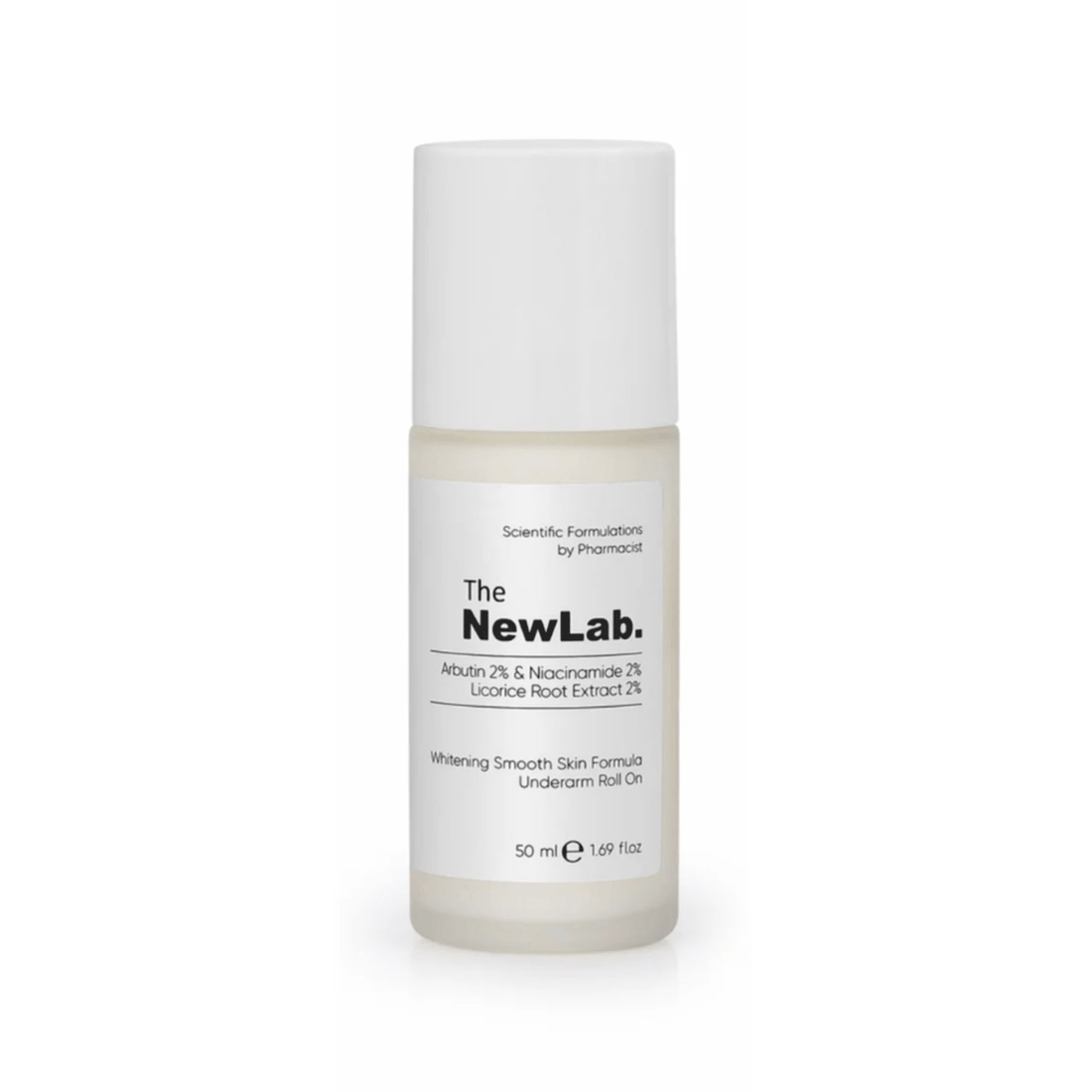
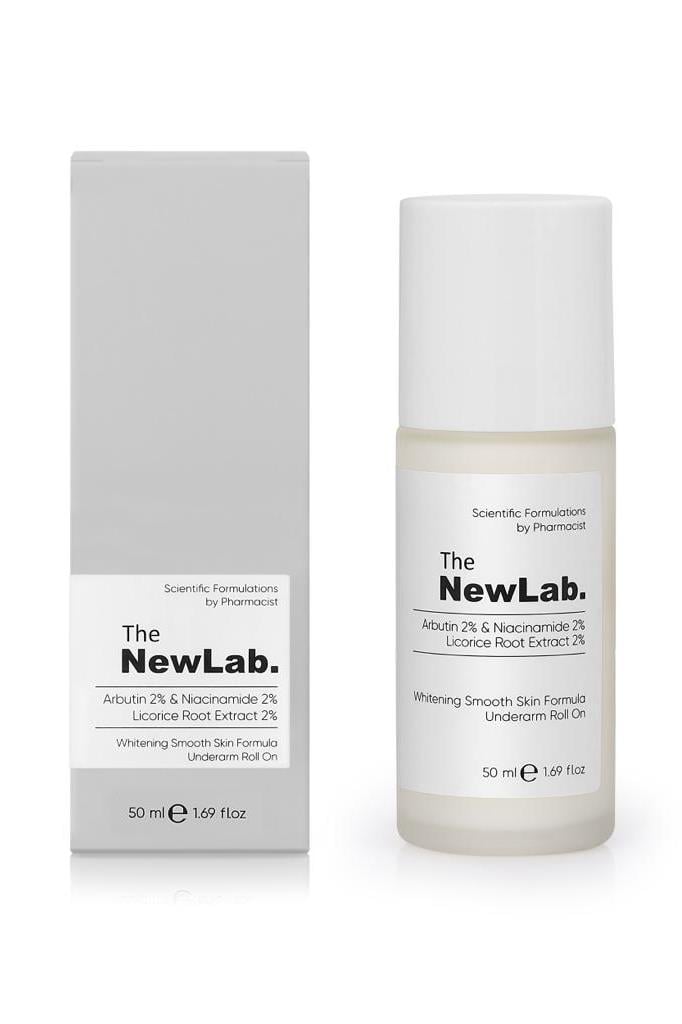 Underarm Whitening Roll-on with Arbutin, Niacinamide, and Licorice Root Extract 50 mlVendor:Underarm Whitening Roll-on with Arbutin, Niacinamide, and Licorice Root Extract 50 mlThe NewLab.
- Regular price
-
419.94TL - Regular price
-
699.90TL - Sale price
-
419.94TL
Quick view
-
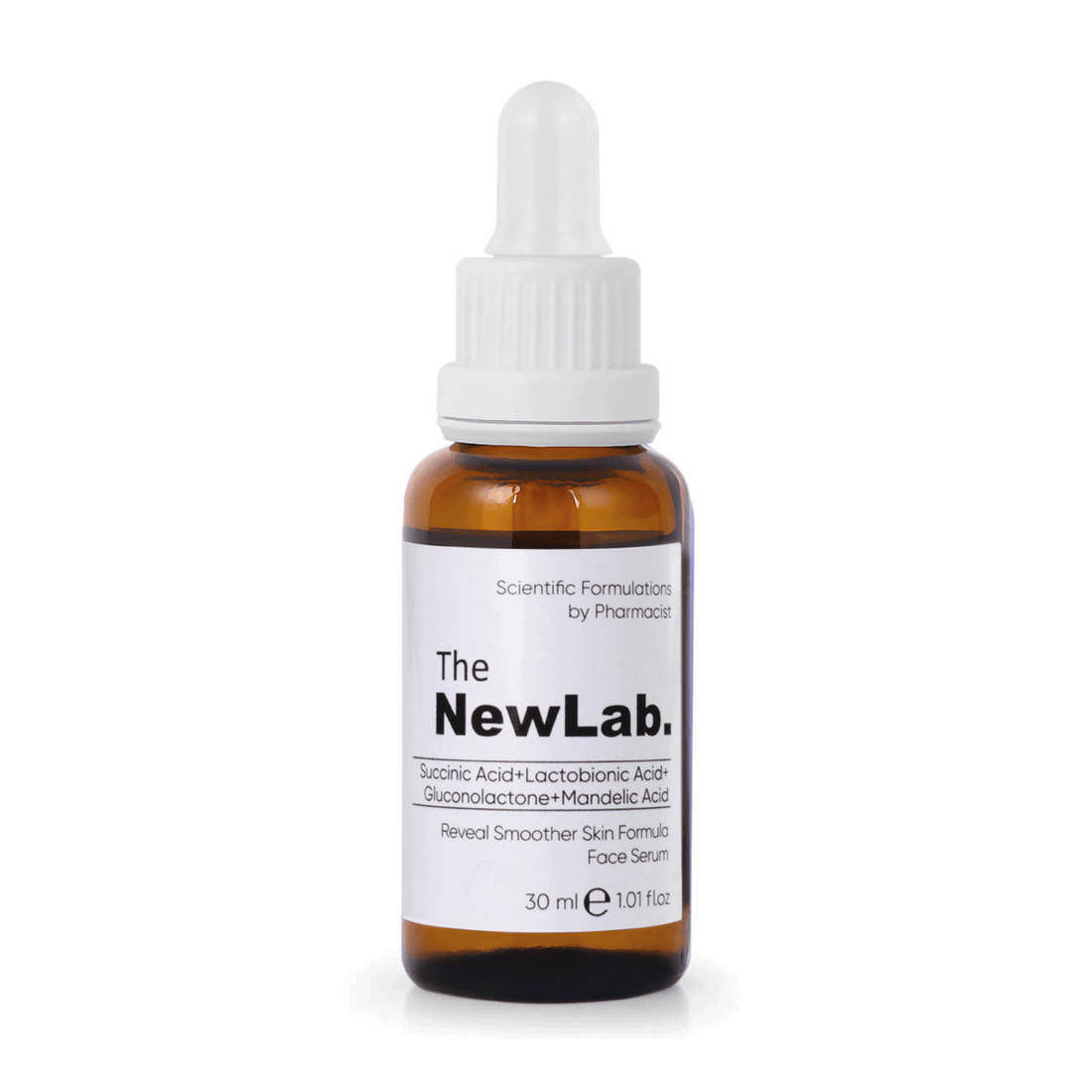
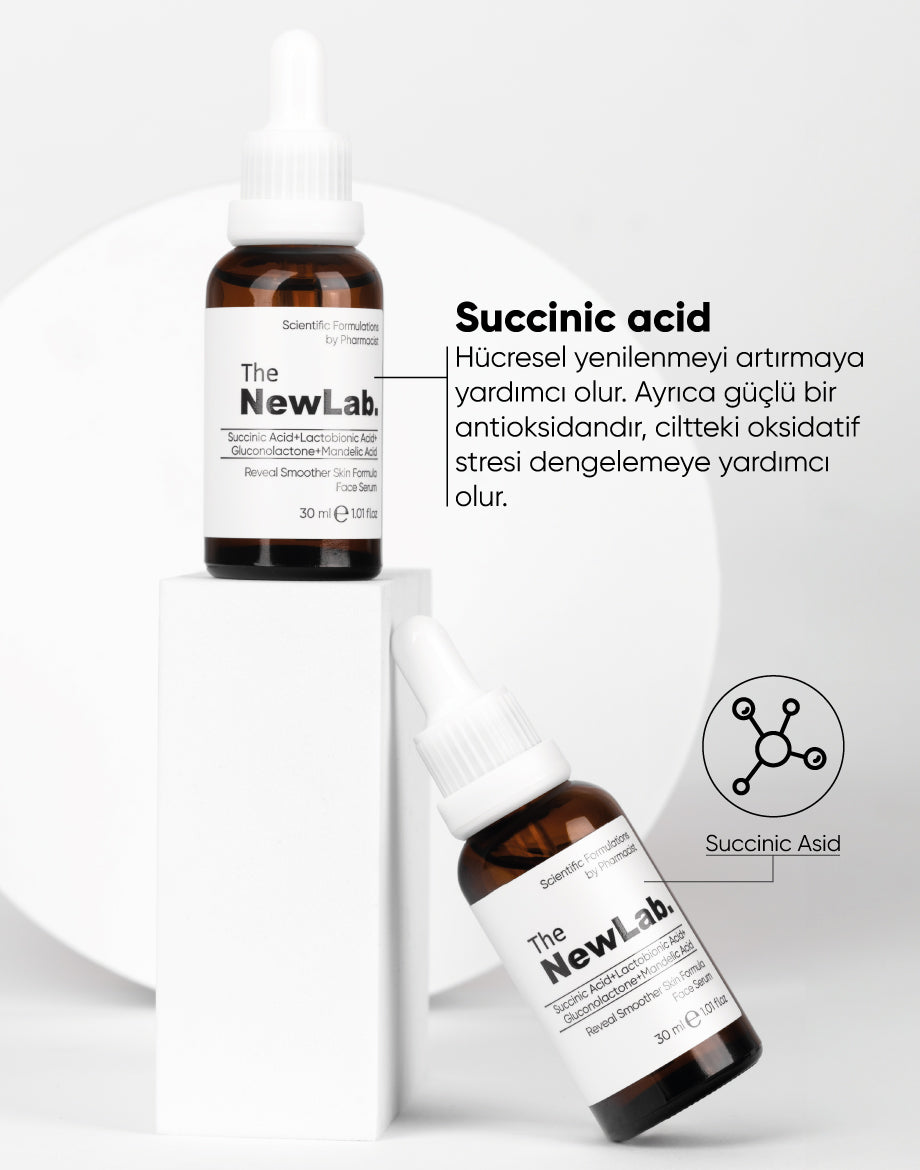 Anti-Acne Smoothing Face Serum – (Mandelic Acid + Succinic Acid + PHA Complex)Vendor:Anti-Acne Smoothing Face Serum – (Mandelic Acid + Succinic Acid + PHA Complex)The NewLab.
- Regular price
-
527.94TL - Regular price
-
879.90TL - Sale price
-
527.94TL
YENİQuick view
-
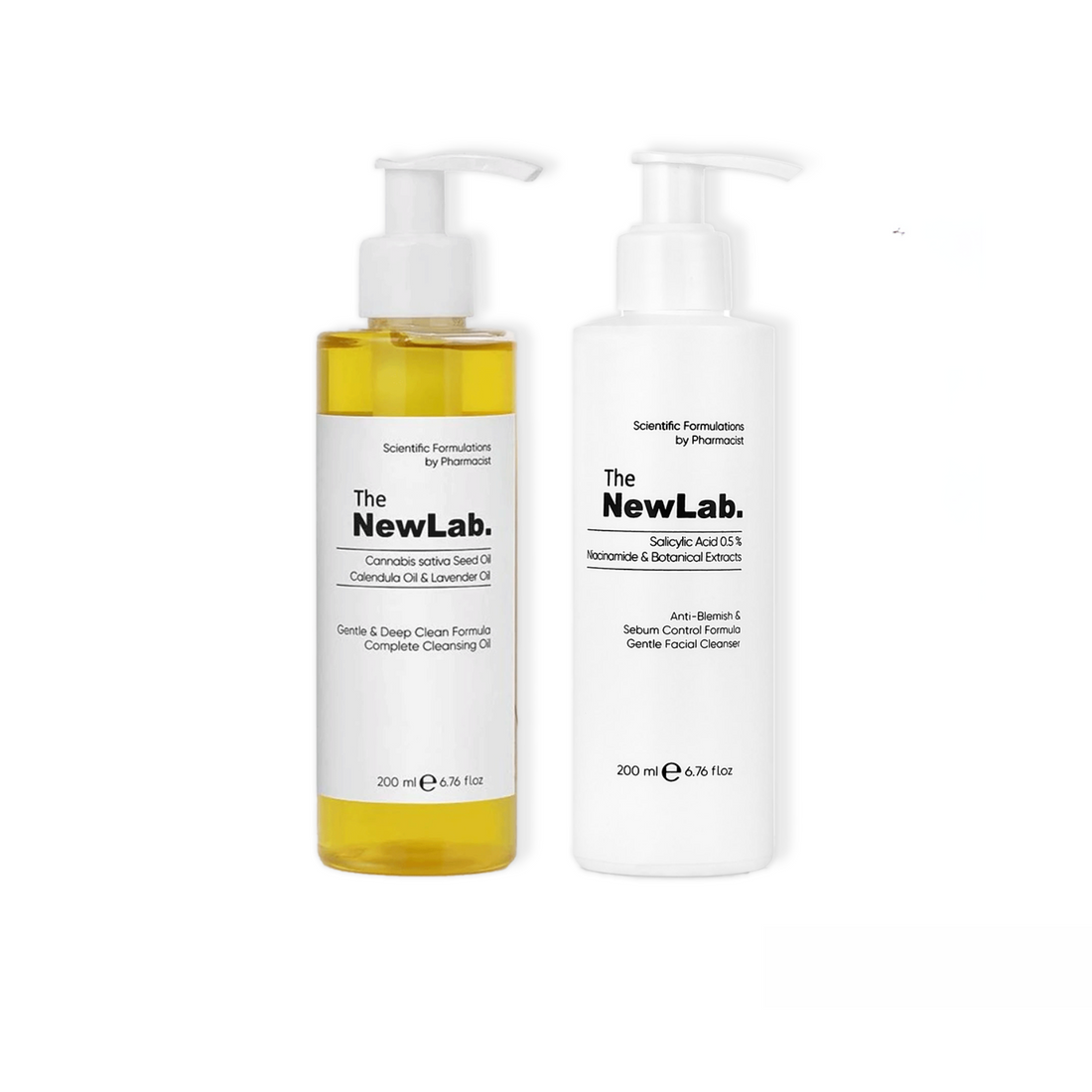
 Double Cleansing SetVendor:Double Cleansing SetThe NewLab.
- Regular price
-
839.99TL - Regular price
-
1,399.99TL - Sale price
-
839.99TL
Quick view
-
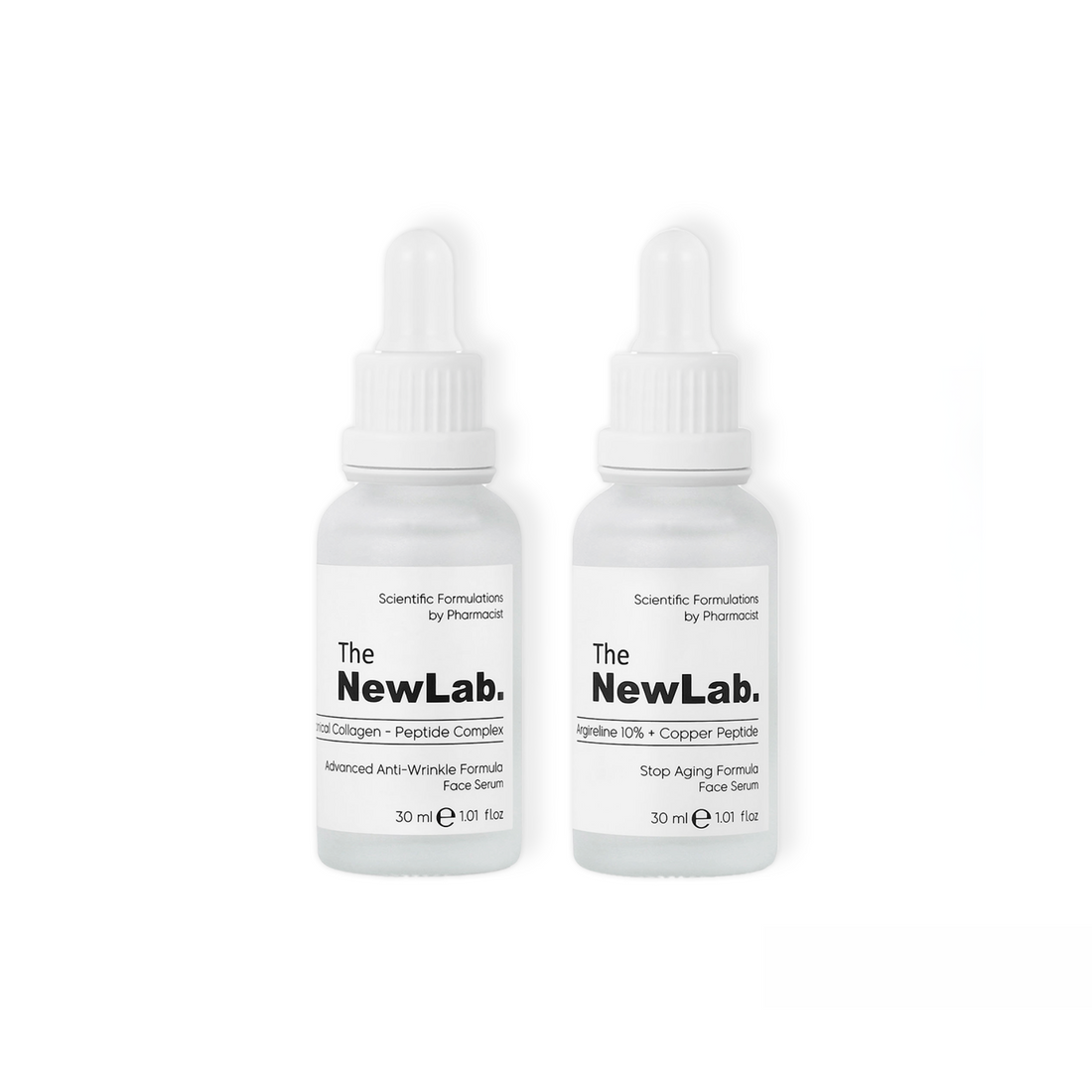
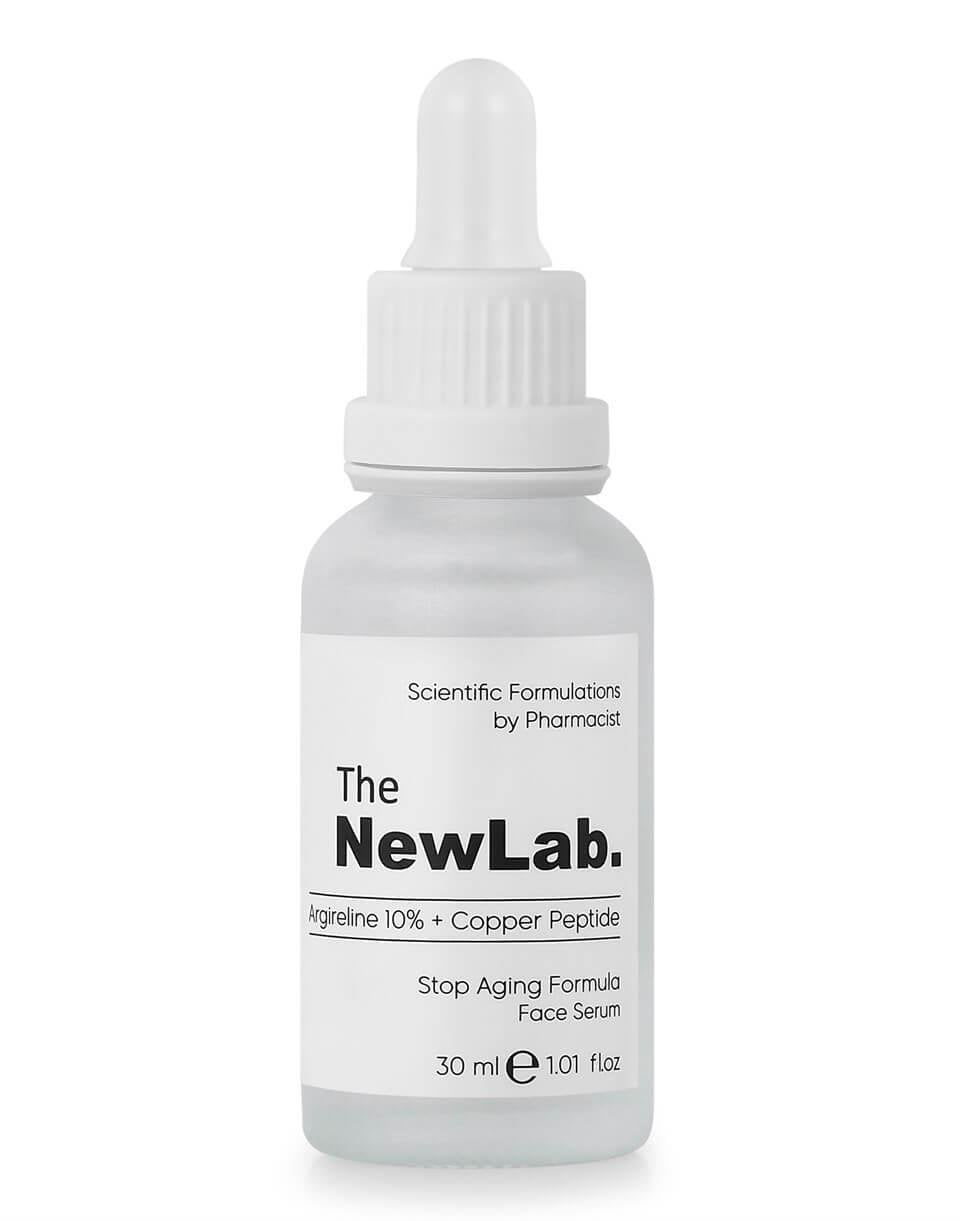 Anti-Wrinkle and Anti-Aging Care SetVendor:Anti-Wrinkle and Anti-Aging Care SetThe NewLab.
- Regular price
-
839.99TL - Regular price
-
1,399.99TL - Sale price
-
839.99TL
Quick view
-
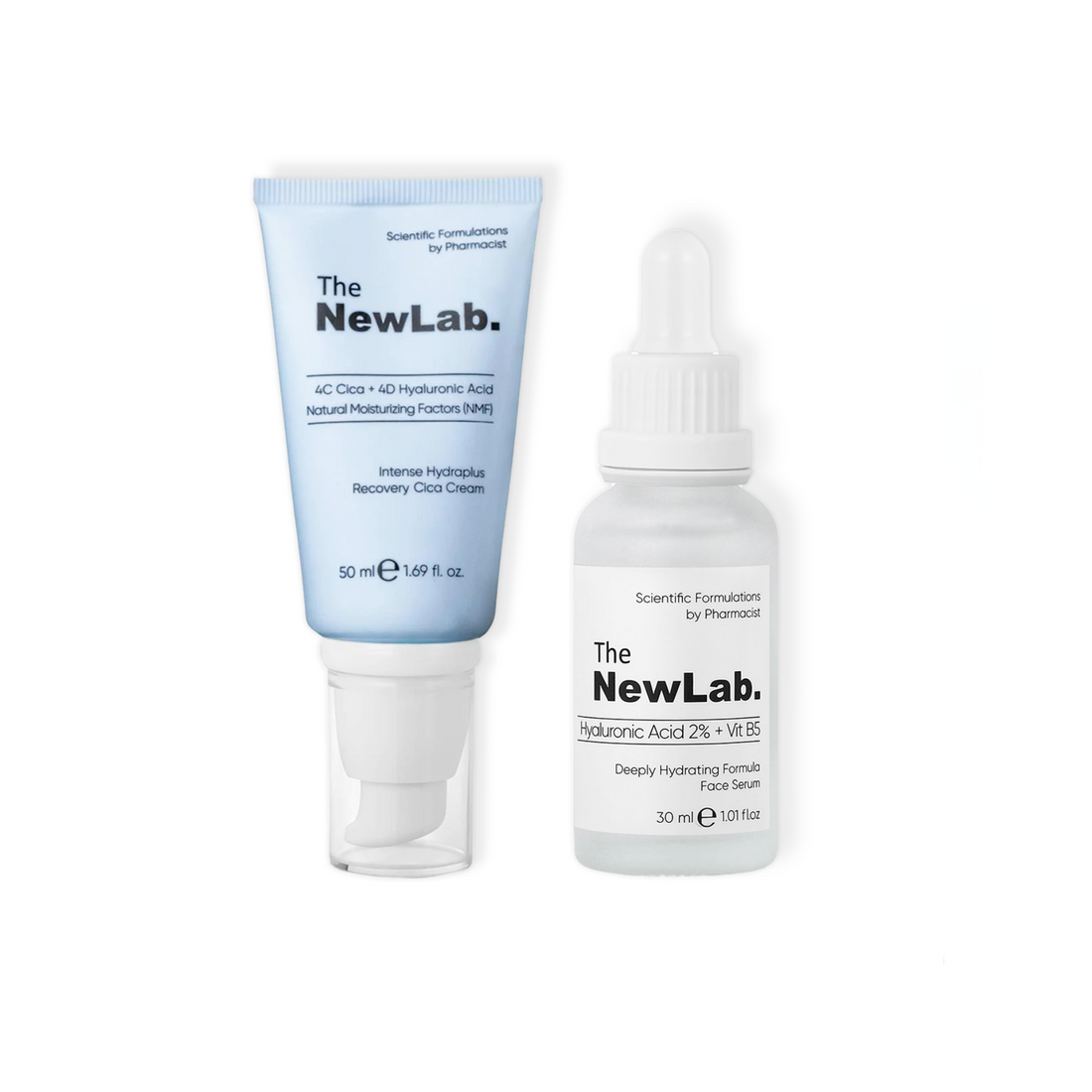
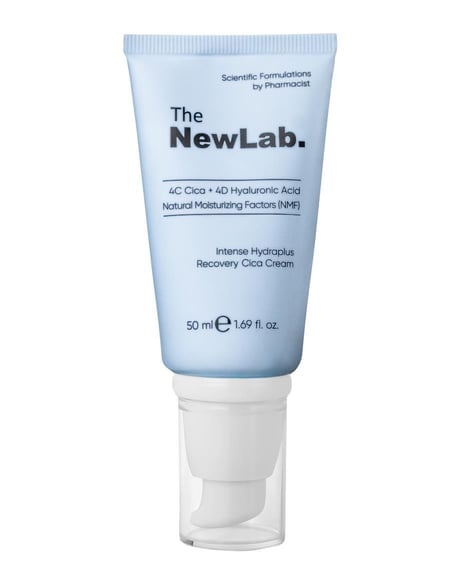 Hydrating Care Set for All Skin TypesVendor:Hydrating Care Set for All Skin TypesThe NewLab.
- Regular price
-
899.99TL - Regular price
-
1,499.99TL - Sale price
-
899.99TL
Quick view
-
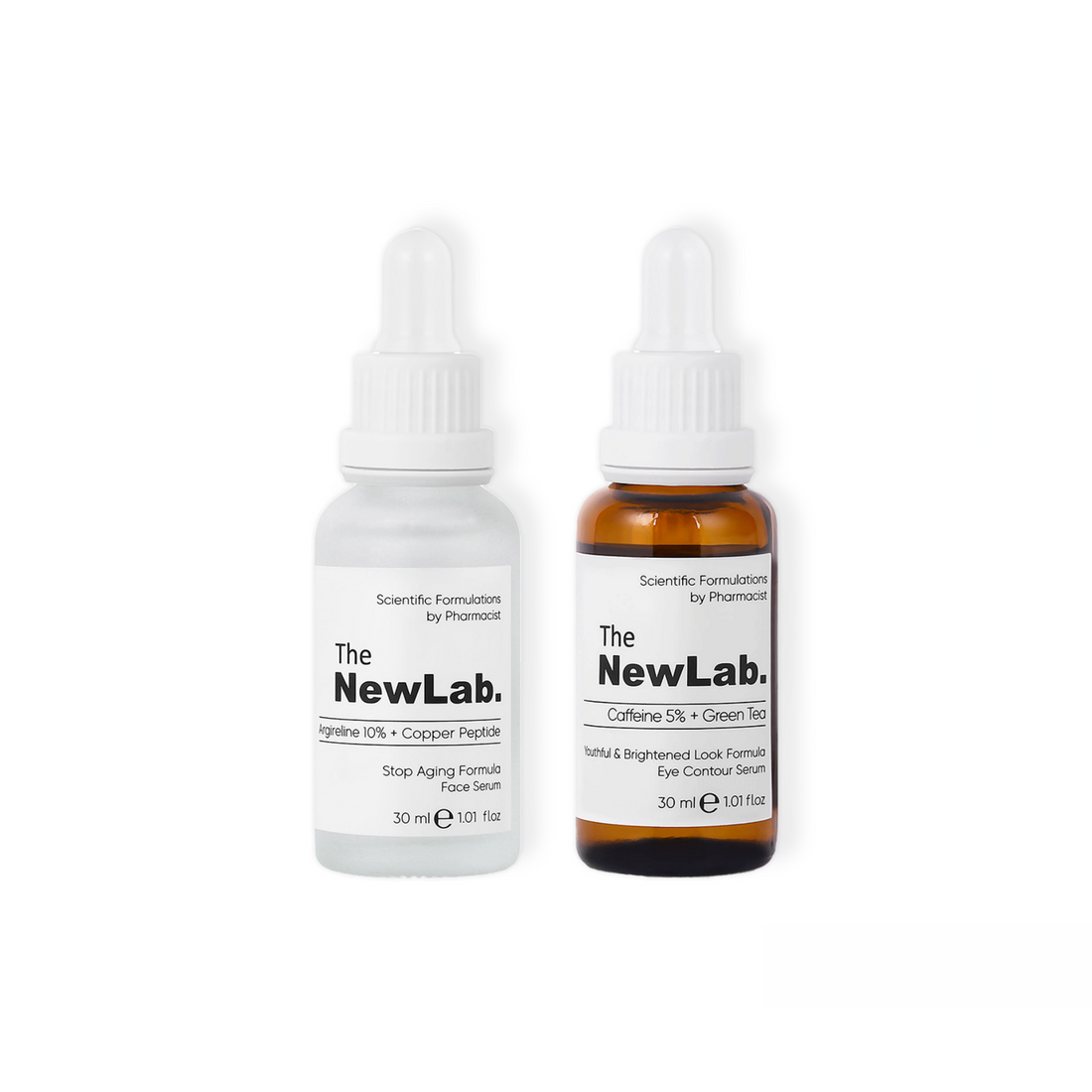 Anti-Aging Eye Contour Serum SetVendor:Anti-Aging Eye Contour Serum SetThe NewLab.
- Regular price
-
653.94TL - Regular price
-
1,089.90TL - Sale price
-
653.94TL
Quick view
-
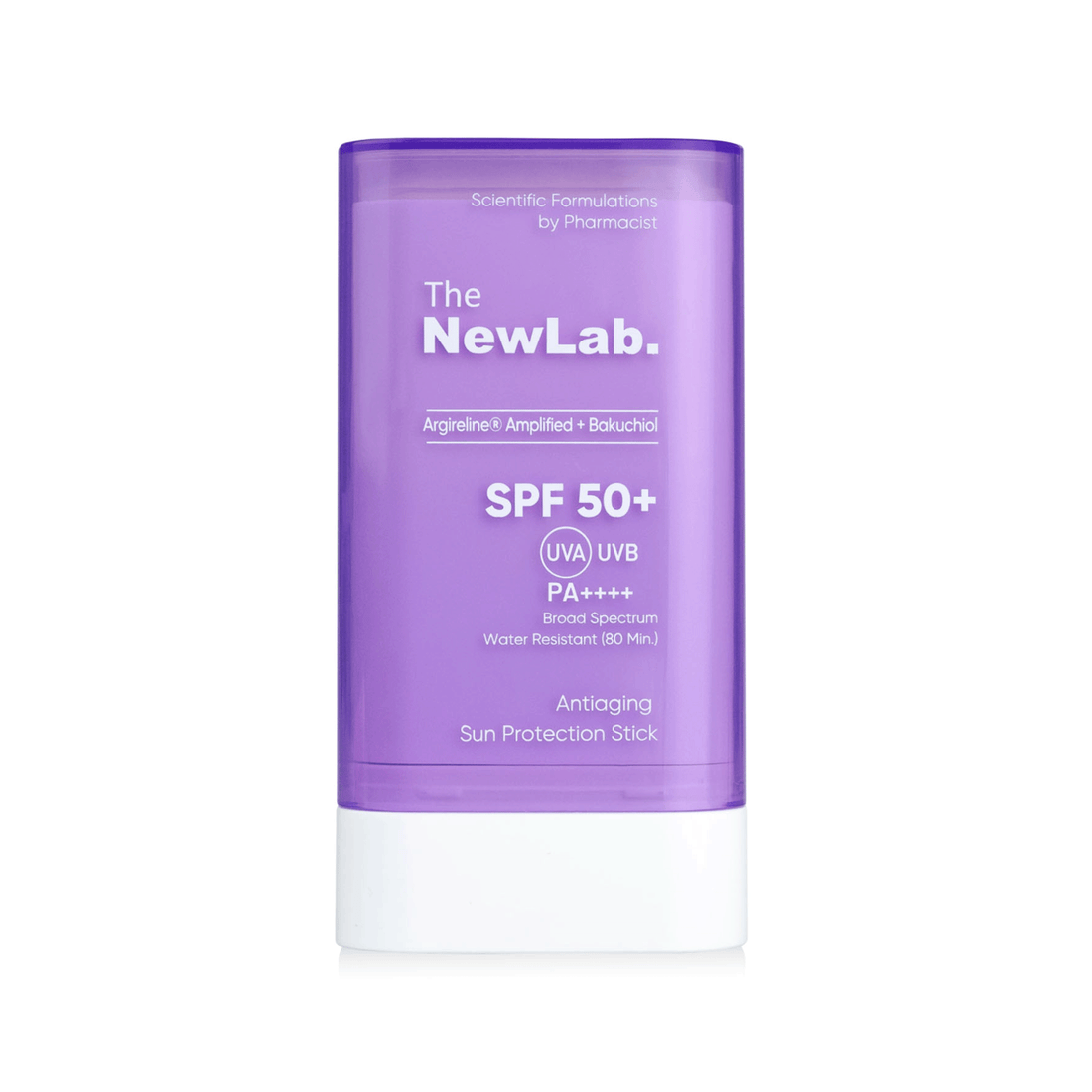
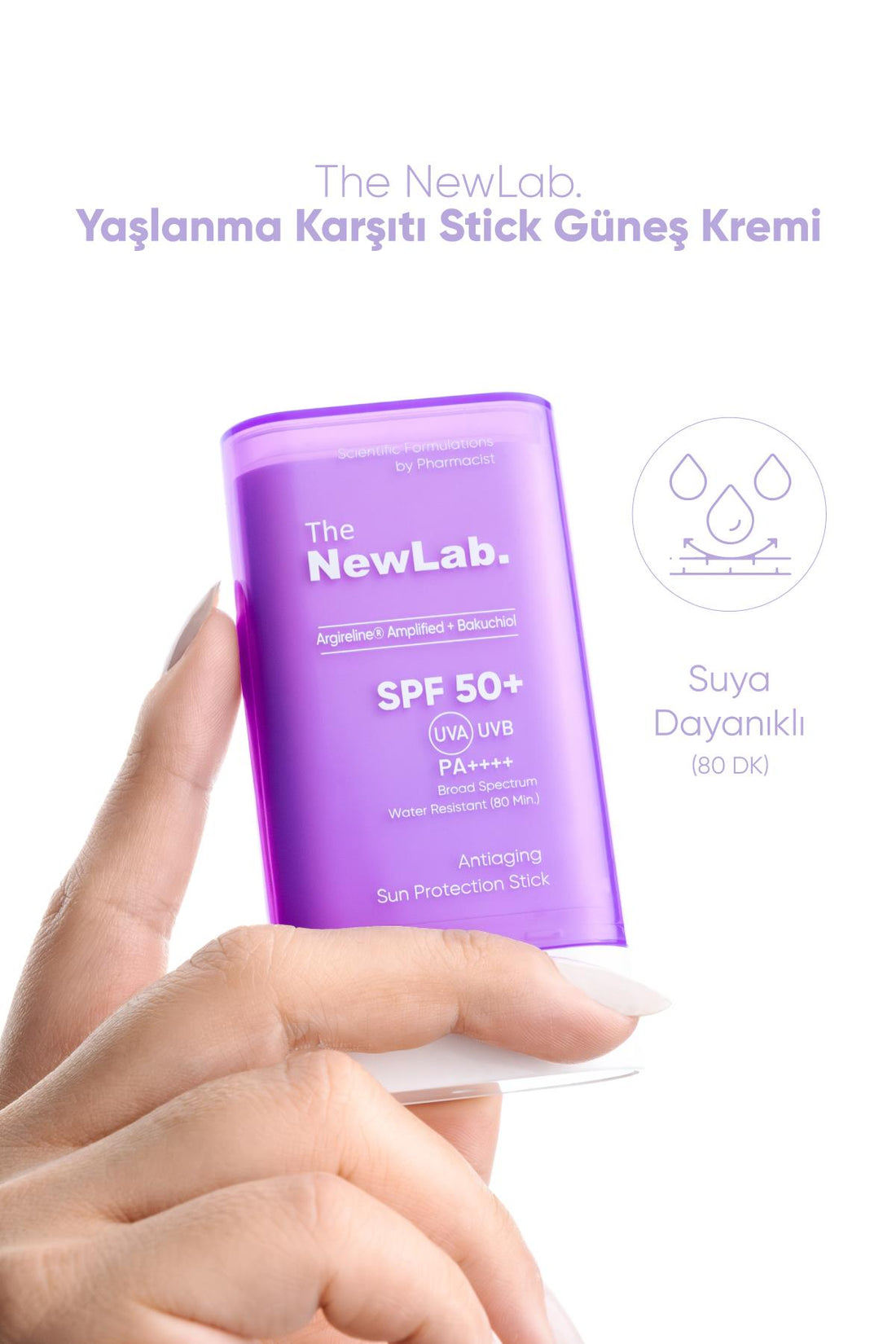 Anti-Aging and Regenerating SunstickVendor:Anti-Aging and Regenerating SunstickThe NewLab.
- Regular price
-
581.94TL - Regular price
-
969.90TL - Sale price
-
581.94TL
Quick view
-
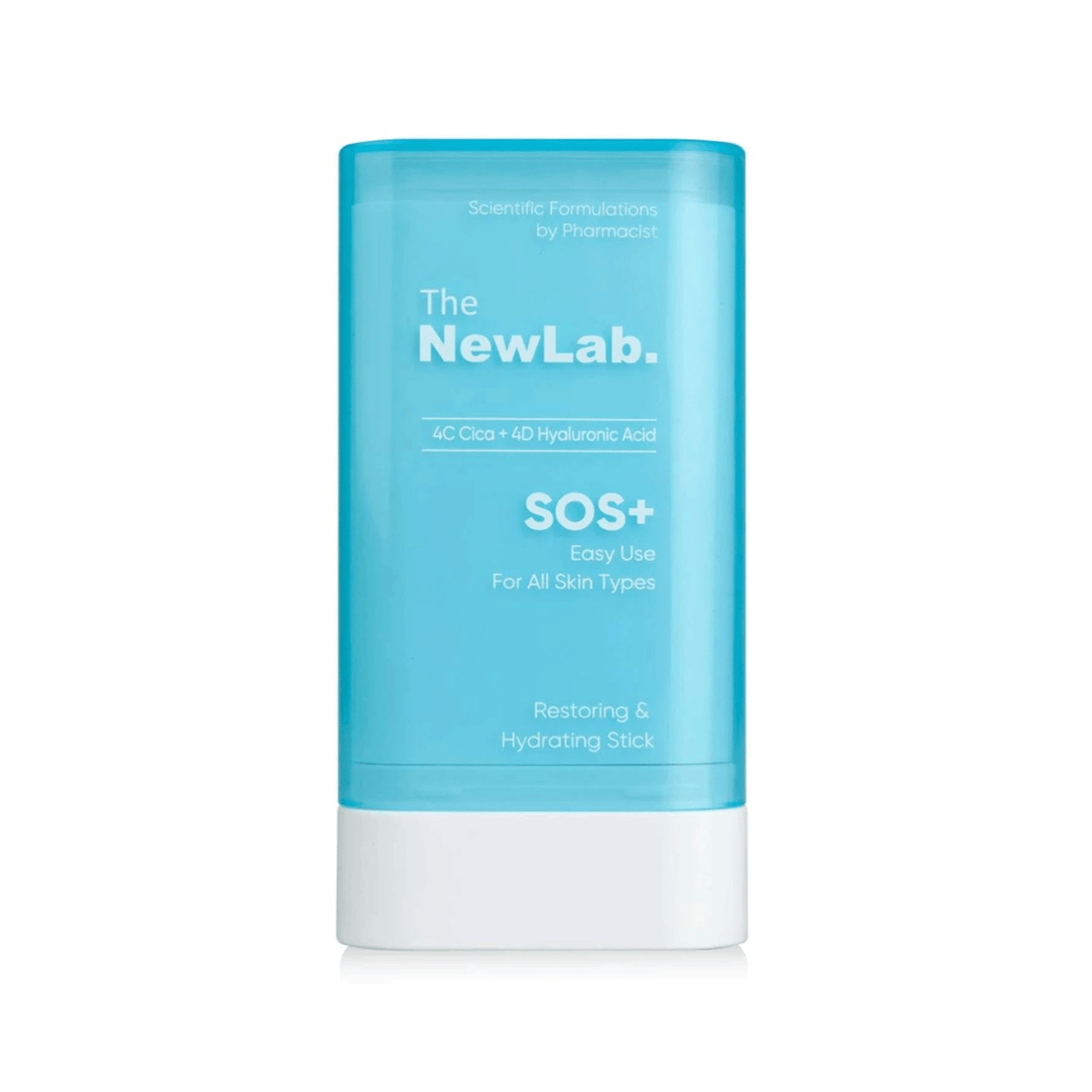
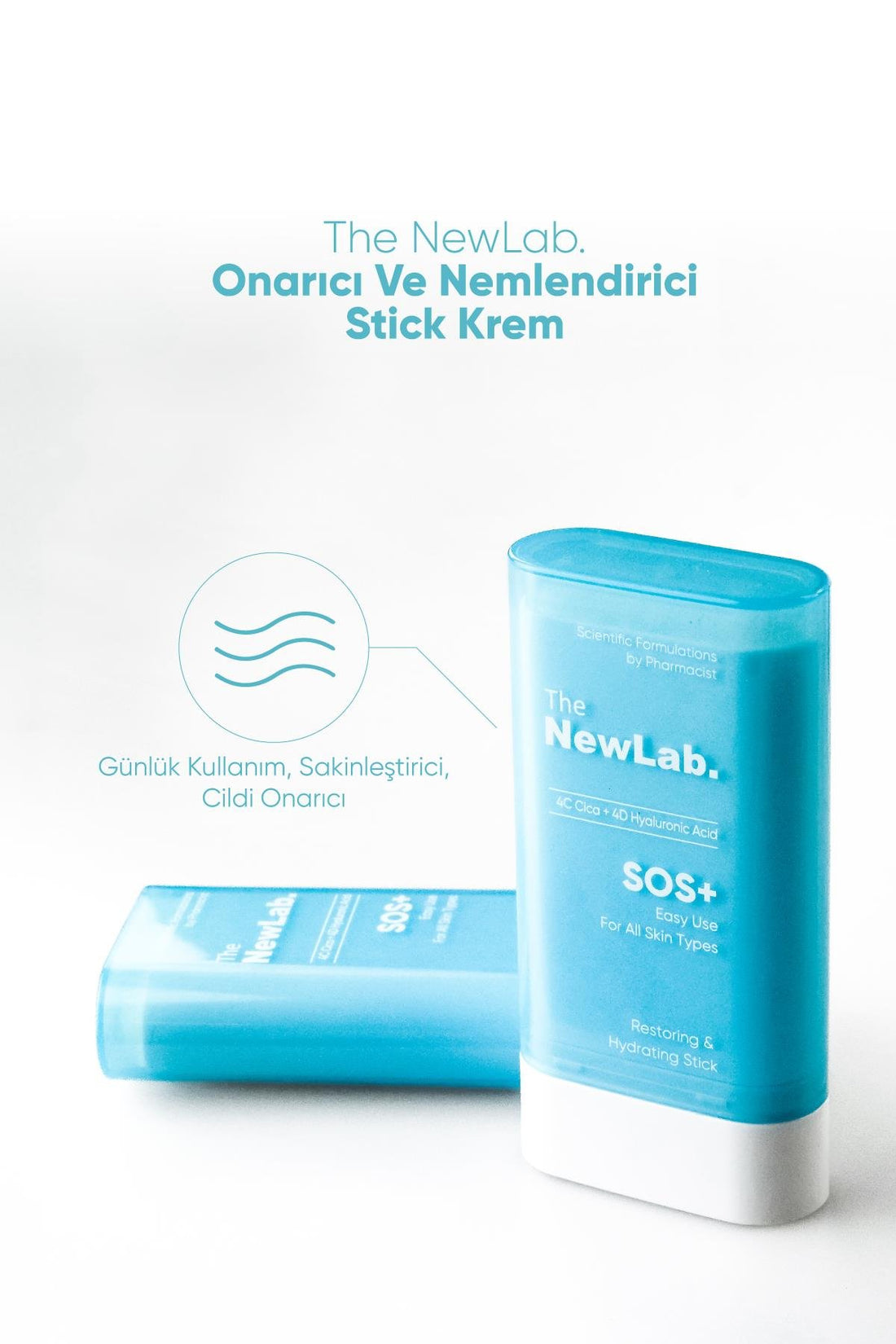 Repairing and Moisturizing Stick Cream (4C Cica 4D Hyaluronic Acid)Vendor:Repairing and Moisturizing Stick Cream (4C Cica 4D Hyaluronic Acid)The NewLab.
- Regular price
-
581.94TL - Regular price
-
969.90TL - Sale price
-
581.94TL
Quick view
-
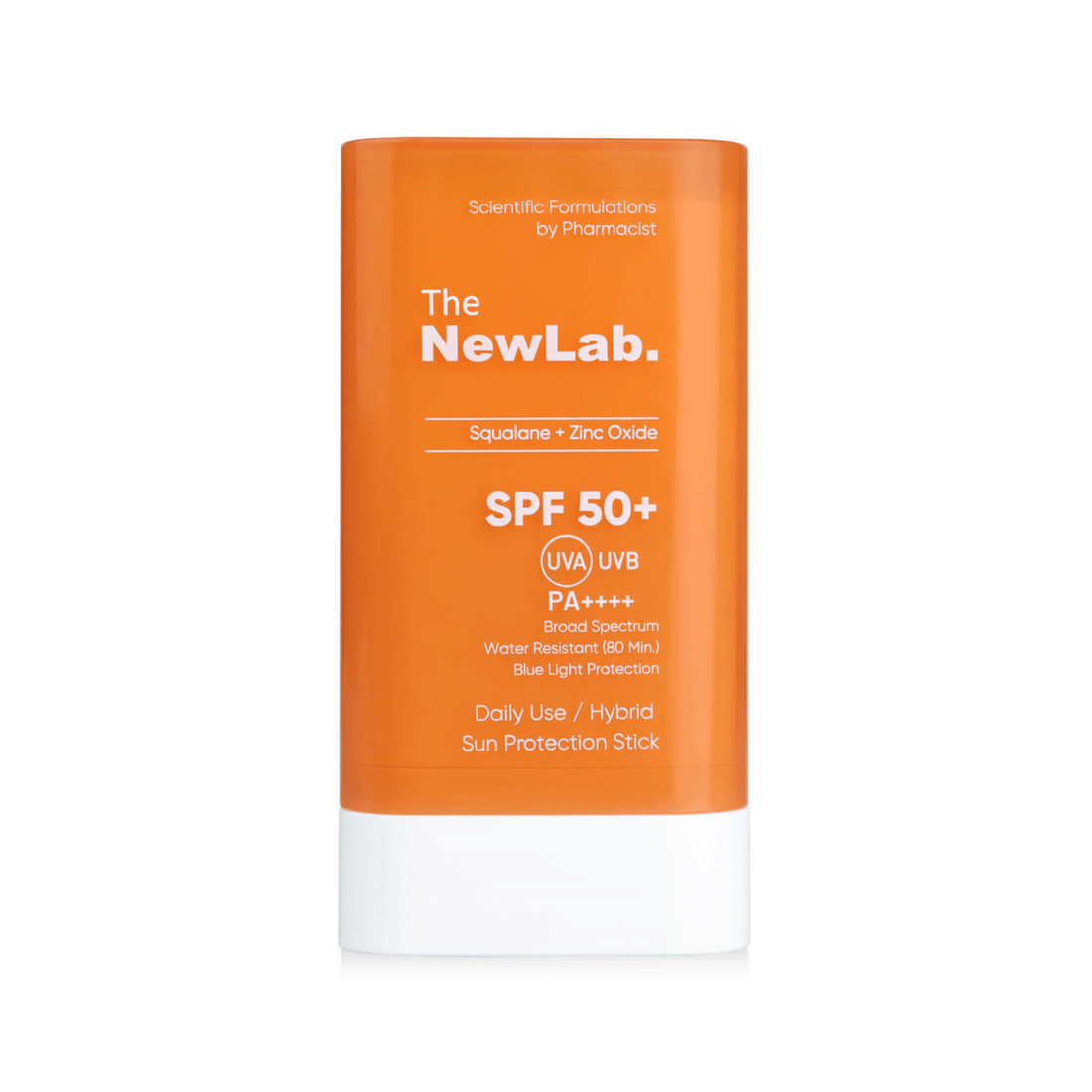
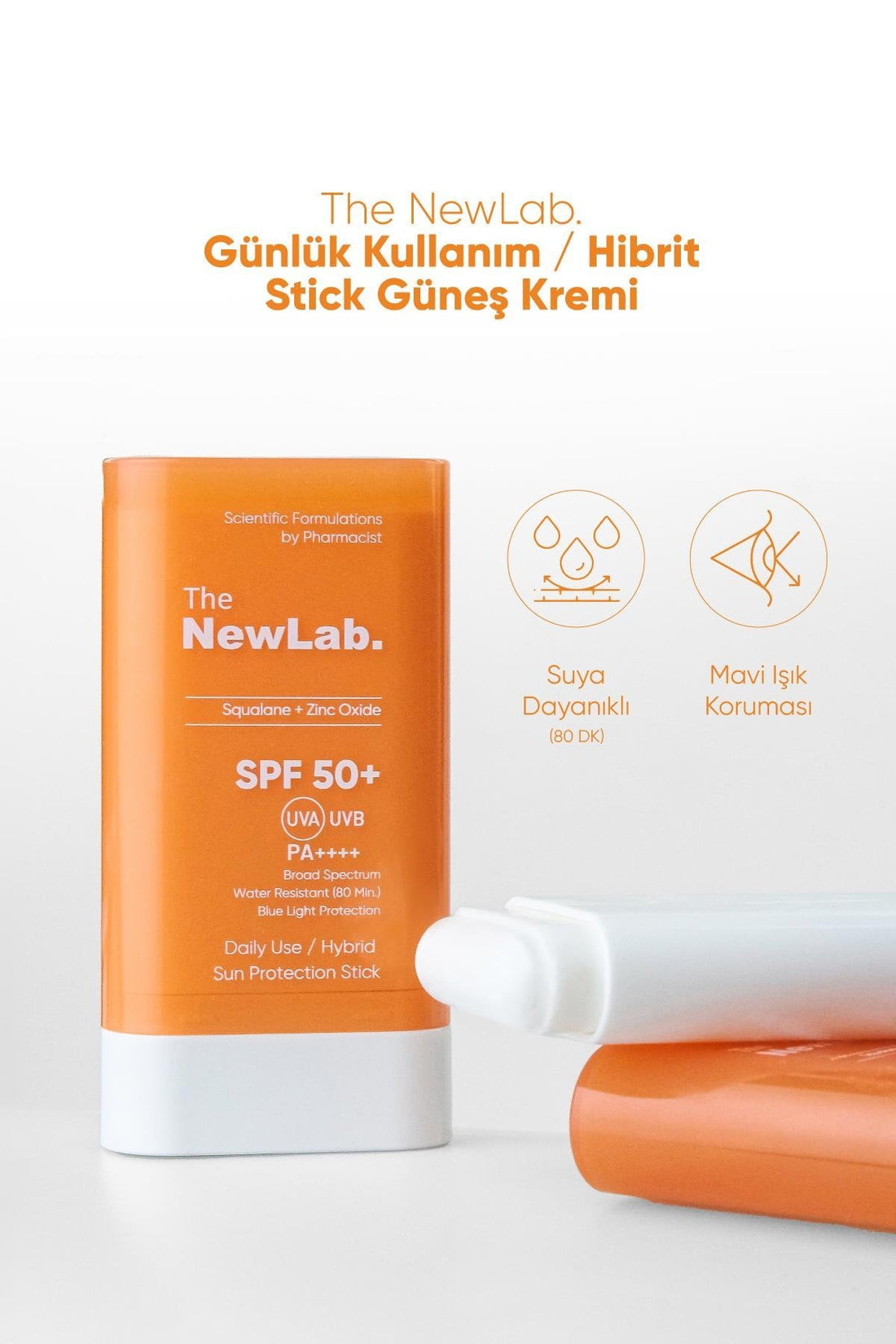 Stick Sunscreen SPF 50 (UVA-UVB PA++++) Water Resistant (80 min.) Blue Light ProtectionVendor:Stick Sunscreen SPF 50 (UVA-UVB PA++++) Water Resistant (80 min.) Blue Light ProtectionThe NewLab.
- Regular price
-
581.94TL - Regular price
-
969.90TL - Sale price
-
581.94TL
Quick view
-
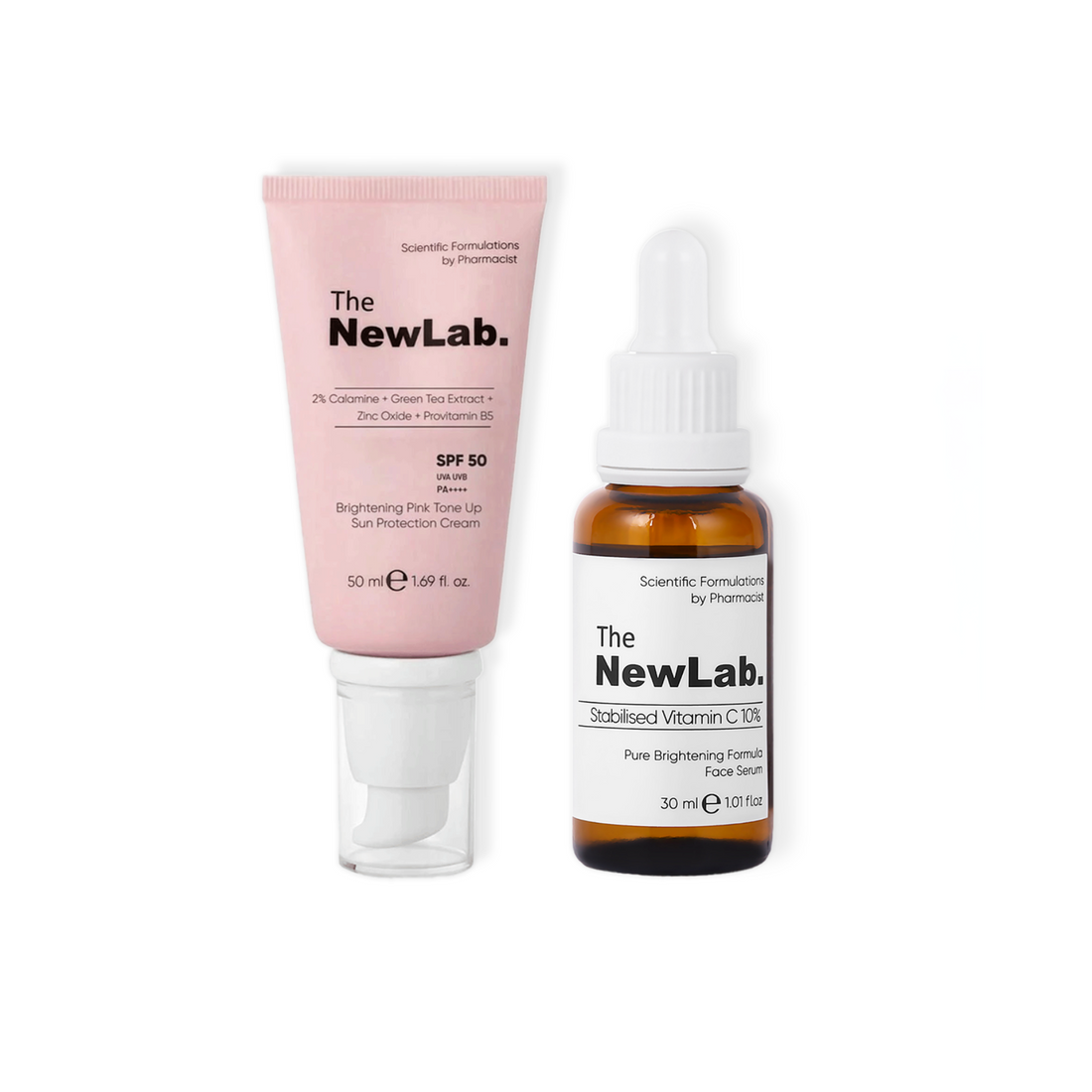
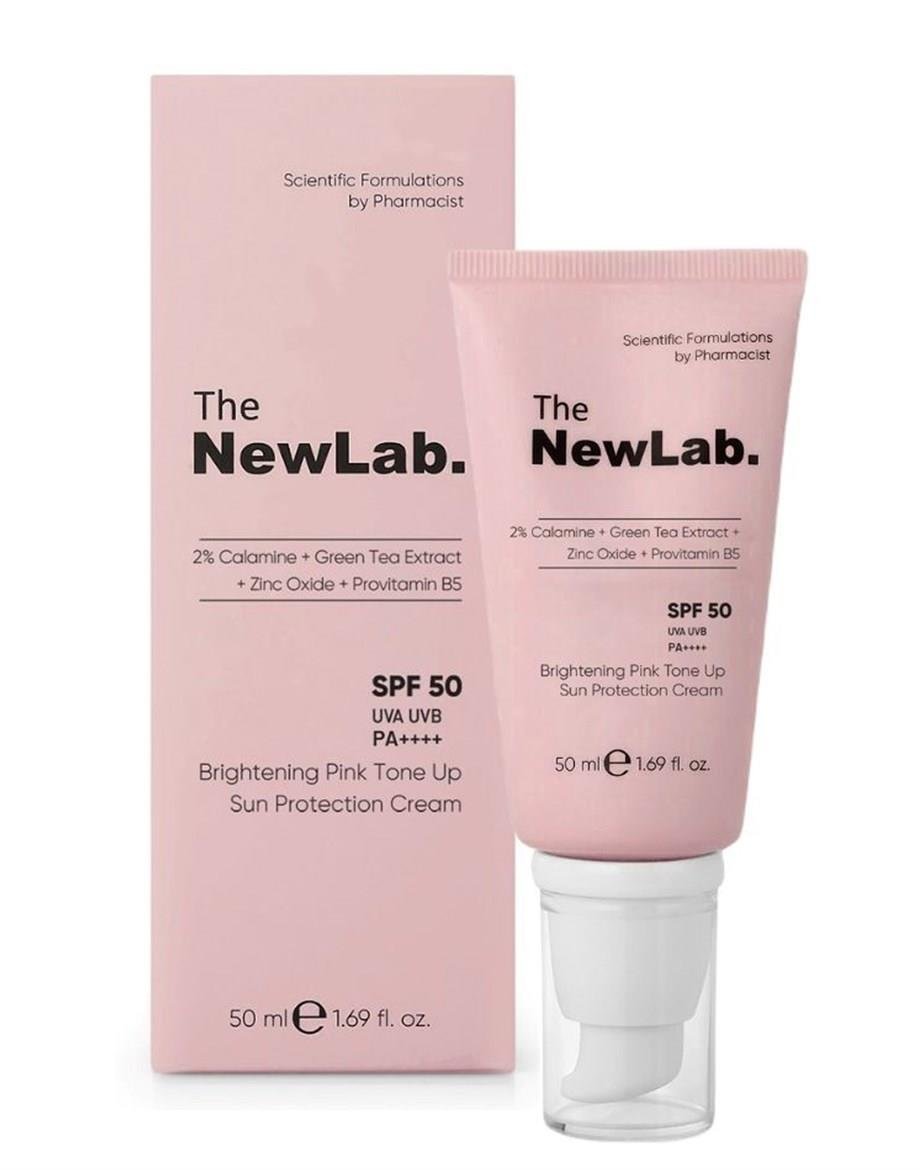 Brightening, Renewing, and Sun Protective Care SetVendor:Brightening, Renewing, and Sun Protective Care SetThe NewLab.
- Regular price
-
959.99TL - Regular price
-
1,599.99TL - Sale price
-
959.99TL
Quick view
Soothing and Barrier-Protecting Care Guide for Sensitive Skin
Sensitive skin is a skin type that reacts more strongly than normal to external stimuli. When the skin barrier is thin or weak, environmental factors (changes in temperature, wind, pollution), ingredients in cosmetic products such as perfume and alcohol, or stress can easily lead to irritation, redness, burning, and a feeling of tightness. Sensitive skin can occur in combination with any of the dry, oily, or combination skin types.
To understand if your skin is sensitive, you can look for these signs: if your skin gets red, burns, or stings when you try a new product; if your skin frequently feels tight or flakes during seasonal changes; if scented products cause itching or redness; or if your skin stays red for a long time after washing it with hot water, you most likely have a sensitive skin type.
The foundation of sensitive skin is usually a weakened skin barrier. The skin barrier, located in the outermost layer of the skin, acts as a protective shield composed of lipids, ceramides, and natural moisturizing factors. When this barrier is intact, external factors cannot affect the skin, and moisture loss is prevented. When it is weakened, the skin reacts to everything. Therefore, the primary goal of sensitive skin care is to strengthen and repair the skin barrier and soothe the skin.
Which Skin Care Products Should Be Used for Sensitive Skin?
Product selection in sensitive skin care is much more critical than for other skin types. The wrong active ingredient or an irritating component can cause irritation and redness instead of benefit. Key rules to follow when choosing skin care products for sensitive skin type:
Cleansers: Sulfate-free, low pH, gentle cleansers in foam or cream form should be preferred. Formulas supported by barrier-strengthening ingredients that cleanse without drying the skin are ideal.
Serums: Serums containing soothing and barrier-supporting actives such as hyaluronic acid, vitamin B5 (panthenol), centella asiatica (cica), and allantoin can be used safely on sensitive skin.
Creams: Light but nourishing creams containing ceramides, cica, and hyaluronic acid lock in moisture while repairing the skin barrier.
Sunscreens: Formulas with mineral filters that are fragrance-free and tested for suitability for sensitive skin should be preferred. Sensitive skin is extra vulnerable to the sun.
Peelings: Exfoliation should be done carefully on sensitive skin. Gentle, enzyme-based formulas can be used with low frequency.
Serums for Sensitive Skin
Serum selection is of great importance in sensitive skin care. Instead of aggressive actives, soothing, barrier-repairing, and moisturizing serums should be preferred.
Barrier Strengthening and Repair
Barrier Strengthening B12 Facial Serum is a skin care product specially formulated for sensitive skin care. While vitamin B12 supports skin renewal, barrier-strengthening ingredients repair sensitized skin and increase its resistance to external factors. It has a soothing effect on skin prone to redness and irritation and is suitable for daily use.
Intensive Moisturizing
Intensive Moisturizing Hyaluronic Acid Serum meets the most fundamental need of sensitive skin: moisture. Hyaluronic acid deeply moisturizes the skin with its capacity to hold up to 1000 times its weight in water, reducing the feeling of tightness caused by dehydration. Its light and water-based formula does not pose a risk of irritation for sensitive skin.
Skin Renewal
EGF Skin Renewing Serum supports the skin's natural renewal process with its epidermal growth factor (EGF) content. Cell renewal often slows down in sensitive skin, which contributes to a weakened barrier. EGF helps build a healthier and more resilient skin structure by increasing the skin's capacity to repair itself.
Brightening for Sensitive Skin
Vitamin C Serum can also be used on sensitive skin with its stabilized vitamin C formula. With its antioxidant effect, it provides protection against environmental damage while evening out skin tone and adding vitality to the skin. Starting with a low concentration and observing the skin's reaction is recommended for sensitive skin.
Anti-Aging Care
Fine lines and wrinkles can appear early in sensitive skin due to moisture loss related to barrier weakness. Facial Serum for Fine Lines and Wrinkles (Botanical Collagen + Peptide Complex) moisturizes the skin while reducing the appearance of fine lines with its botanical collagen and peptide complex — it is a gentle anti-aging alternative that is not as aggressive as retinol.
Advanced Anti-Aging Skin Care Serum (Multi Peptide + Copper Peptide 1%) and Anti-Wrinkle 10% Argireline Serum + Copper Peptide can also be considered for sensitive skin with their peptide-based formulas. Peptides have a much gentler mechanism of action compared to retinol and do not sensitize the skin to the sun.
Cleanser for Sensitive Skin
Cleansing is the step that requires the most caution in sensitive skin care. Harsh cleansers further weaken the already thin skin barrier, leading to redness, tightness, and dryness. Features sought in cleansers for sensitive skin: sulfate-free formula, neutral or slightly acidic pH (5.0-5.5), fragrance-free, and barrier-supporting ingredients.
Barrier Strengthening B12 Cleansing Foam is a gentle skin care product specially developed for sensitive skin. Its formula containing vitamin B12 and barrier-supporting ingredients repairs and protects the skin while cleansing it. Its foam texture provides effective purification without leaving a heavy feeling on the skin.
Practical tip: Use lukewarm water when washing your sensitive skin — hot water weakens the barrier. Instead of rubbing your face with a towel, pat it dry gently. Apply serum or moisturizer within 60 seconds after cleansing to prevent moisture loss.
Peeling for Sensitive Skin
Exfoliation is a controversial topic for sensitive skin. Many think that peeling cannot be used on sensitive skin; however, gentle exfoliation performed with the right formula and low frequency prevents the accumulation of dead cells, supports skin renewal, and increases the absorption of care products.
Purifying and Renewing Enzyme Powder Peeling is an option that can be considered for sensitive skin. The mandelic acid it contains is the gentlest member of the AHA family — thanks to its large molecular structure, it penetrates the skin slowly and the risk of irritation is minimal. Papain enzyme provides an enzymatic, not chemical, exfoliation. It is recommended to be used once a week on sensitive skin and to observe the skin's reaction.
Cream for Sensitive Skin
In sensitive skin, moisturizing cream is used not only to provide moisture but also to repair and strengthen the skin barrier. Creams containing ceramides, cica (centella asiatica), and hyaluronic acid perform this task best.
Repairing and Moisturizing Stick Cream (4C Cica + 4D Hyaluronic Acid) is a practical skin care product designed for sensitive skin. The 4C Cica complex (asiaticoside, asiatic acid, madecassoside, madecassic acid) soothes the skin and supports the repair of the barrier. 4D Hyaluronic Acid reaches every layer of the skin by providing hydration at different molecular sizes. Thanks to its stick form, it can be practically applied to areas in need throughout the day.
Sunscreens for Sensitive Skin
Sun protection is of critical importance for sensitive skin. A weak skin barrier leaves the skin more vulnerable to UV damage. Additionally, some chemical sun filters can cause irritation and redness on sensitive skin; therefore, formulas with mineral filters or those tested for suitability for sensitive skin should be preferred.
Brightening and Skin Tone Evening Sunscreen (SPF 50+) provides broad-spectrum protection while soothing the skin with its calamine content. Green tea extract offers antioxidant support, while provitamin B5 moisturizes the skin. It is suitable for use on all skin types, including sensitive skin.
Stick Sunscreen and Anti-Aging and Renewing Stick Sunscreen are ideal for reapplying sun protection throughout the day with their practical stick formulas. Since they offer the opportunity to apply without touching the face with hands, they provide a hygienic use with a low risk of irritation for sensitive skin.
Eye Care Products for Sensitive Skin
The eye area is the most sensitive region of the face, and individuals with sensitive skin need to use extra gentle formulas in this area.
Brightening Eye Contour Serum (Caffeine 5% + Green Tea) revitalizes under-eye circulation with caffeine and reduces the appearance of puffiness. Green tea extract provides antioxidant and soothing effects. Brightening and Anti-Aging Eye Cream, on the other hand, targets fine lines while nourishing and brightening the eye area.
Sensitive Skin Care Routine: Morning and Evening
The most important rule in sensitive skin care is to follow the "less is more" principle. Instead of layering too many products, creating a consistent routine with a small number of correctly chosen skin care products yields more effective results.
Morning Routine
1. Cleansing → Cleanse gently with Barrier Strengthening B12 Cleansing Foam. If your skin is not very oily in the morning, washing only with lukewarm water may also be sufficient.
2. Serum → Apply Intensive Moisturizing Hyaluronic Acid Serum or Barrier Strengthening B12 Facial Serum.
3. Eye care → Revitalize under-eyes with Caffeine Eye Contour Serum.
4. Cream → Lock in moisture and support the barrier with Repairing Cica Stick Cream.
5. Sunscreen → Protect with Brightening Sunscreen SPF 50+.
Evening Routine
1. Cleansing → Gently remove the day's dirt and sunscreen residues with B12 Cleansing Foam.
2. Serum → Overnight repair with Barrier Strengthening B12 Facial Serum or EGF Skin Renewing Serum.
3. Eye care → Anti-Aging Eye Cream.
4. Cream → Lock in moisture with Cica Stick Cream.
Weekly Additional Care
Gentle exfoliation once a week with Enzyme Powder Peeling. If there is an increase in redness or sensitivity on your skin, reduce the frequency of peeling or take a break for a while.
What Is the Difference Between Sensitive Skin and Dry Skin?
These two skin types are often confused because their symptoms may overlap. Dry skin is when the skin lacks moisture, feels tight, and is prone to flaking because it cannot produce enough sebum — the fundamental problem is a lack of moisture. Sensitive skin, on the other hand, is the skin's extreme reaction to external factors — the fundamental problem is barrier weakness.
Skin can be both dry and sensitive; however, oily skin can also be sensitive. While intensive moisturizing is at the forefront of dry skin care, barrier repair and soothing are priorities for sensitive skin care. If your skin is only drying out but not reacting, it is likely dry skin; if you are experiencing redness, burning, and irritation along with dryness, you are more likely to have sensitive skin.
Ingredients to Avoid for Sensitive Skin
In sensitive skin care, what you should not use is as important as what you should use. The main components that carry a risk of irritation for sensitive skin:
Alcohol (Alcohol Denat, SD Alcohol): Dries the skin, weakens the barrier, and increases redness. Fatty alcohol types (cetyl alcohol, cetearyl alcohol) are moisturizing and safe for sensitive skin — it is important to know the difference on the labels.
Perfume and synthetic fragrances: The most common cause of irritation on sensitive skin. Products labeled "fragrance-free" should be preferred.
High-concentration acids: Strong actives like glycolic acid (10%+), salicylic acid (2%+), or retinol can cause irritation, redness, and peeling on sensitive skin. Those who want to use these actives should start with a low concentration and let the skin adapt.
SLS/SLES (Sodium Lauryl Sulfate): Used as a foaming agent in cleansers and can cause irritation by stripping the skin barrier harshly.
Essential oils: Although they are natural, they can cause irritation on sensitive skin. Especially mint, cinnamon, and lemon essences are components that should be avoided for sensitive skin.
Common Mistakes in Sensitive Skin Care
Using too many products: The "more products = better care" approach has the exact opposite effect on sensitive skin. Layering numerous products overwhelms the skin and increases the risk of irritation. A simple routine of 3-4 products is sufficient.
Trying every new trend: Trying every active ingredient or care trend popular on social media on sensitive skin can lead to serious irritation and redness. Testing a new product behind the ear or on the jawline (patch test) first is the safest approach for sensitive skin.
Over-cleansing the skin: Washing more than twice a day, using hot water, or scrubbing with mechanical peeling cloths weakens the skin barrier and increases sensitivity.
Skipping sunscreen: Neglecting sun protection with the thought that "sunscreen irritates my skin" leaves sensitive skin completely vulnerable to UV damage. Formulas suitable for sensitive skin exist and should be used year-round.
Starting active ingredients before repairing the skin barrier: When the barrier is damaged, actives like AHA, BHA, or retinol will make the skin even more sensitive. The correct order is to repair the barrier first, then use active ingredients.
Frequently Asked Questions
Is sensitive skin a disease?
No, sensitive skin is a skin type, not a disease. It arises due to genetic predisposition, thin skin structure, and a weak skin barrier. However, sensitive skin can coexist with dermatological conditions such as rosacea or eczema. A dermatologist consultation is recommended for severe and persistent symptoms.
What is the most important step in sensitive skin care?
Strengthening the skin barrier. A robust barrier is the skin's line of defense against external factors. Skincare products containing barrier-supporting actives like ceramides, cica, hyaluronic acid, and panthenol meet the most fundamental needs of sensitive skin. As the barrier strengthens, signs of sensitivity decrease.
Which active ingredients are safe for sensitive skin?
Hyaluronic acid (hydration), panthenol/vitamin B5 (soothing and repair), centella asiatica/cica (anti-inflammatory and barrier repair), allantoin (soothing), ceramides (barrier strengthening), niacinamide (in low concentrations—barrier supporting), and bisabolol (soothing) are actives that can be safely used on sensitive skin.
Can retinol be used on sensitive skin?
Retinol is an active ingredient that must be used with caution on sensitive skin. Instead of direct retinol, gentler alternatives like bakuchiol or peptide-based anti-aging serums can be preferred. Those who wish to use retinol should start with a very low concentration (e.g., 0.2%) once or twice a week and gradually acclimate the skin.
Is sensitive skin seasonal or permanent?
It can be both. Some people have naturally sensitive skin that requires careful maintenance year-round. For others, sensitivity appears seasonally (especially during winter cold and summer heat) or occurs temporarily due to improper product use, stress, or hormonal changes. Focusing on barrier repair in cases of temporary sensitivity usually reduces symptoms within a few weeks.
How should sunscreen be chosen for sensitive skin?
For sensitive skin, mineral-filtered (zinc oxide, titanium dioxide), fragrance-free, alcohol-free, and hypoallergenic sunscreens are the safest choice. Chemical filters can cause burning or redness in sensitive skin. An SPF 50+ and broad-spectrum protection should be preferred. Performing a patch test before trying a new sunscreen is beneficial.
Are sensitive skin and allergic skin the same thing?
No. Sensitive skin shows a general susceptibility to various external factors—symptoms like redness, burning, and tightness are common. An allergic skin reaction is a specific response by the immune system to a particular allergen (e.g., a fragrance component or botanical extract) and manifests as itching, swelling, or rashes. If you experience frequent allergies, it may be beneficial to have a patch test performed by a dermatologist.
Can you wear makeup with sensitive skin?
Yes, you can wear makeup with the right products. For sensitive skin, mineral-based, fragrance-free, hypoallergenic, and non-comedogenic makeup products should be preferred. Applying a barrier-supporting moisturizer before makeup protects the skin. When removing makeup, it is important to use sulfate-free, gentle cleansers and avoid scrubbing the skin.
How long does it take for the skin barrier to repair?
With the right skincare products and a consistent routine, the skin barrier usually takes 2-4 weeks to repair. This period may vary depending on the degree of skin damage, age, and general health status. During the repair process, avoiding aggressive actives, gentle cleansing, and keeping the skin constantly hydrated accelerates healing.
How often should peeling be done on sensitive skin?
On sensitive skin, peeling should be done at most once a week. Enzyme-based, low-concentration, and gentle formulas should be preferred. If there is any irritation, redness, or burning sensation on the skin, peeling should be stopped entirely and focus should be shifted to barrier repair. Mechanical peeling (products with physical scrub particles) is generally not recommended for sensitive skin.
The NewLab. Skincare Products for Sensitive Skin
Sensitive skin is a skin type that can be balanced with the right actives and gentle formulas. The skincare products developed by The NewLab. for sensitive skin—from the B12 barrier-strengthening serum to cica repair cream, hyaluronic acid moisturizer to soothing sunscreens—aim to repair the skin barrier, reduce sensitivity, and restore the skin's natural defense power. You can browse our collection above to discover products suitable for your skin.